
Woodlawn, Chicago
Woodlawn is a South Side community area of Chicago centered around residential blocks and parkland. It borders Jackson Park, touches the University of Chicago, and has been the focus of recent redevelopment plans.
Overview
Woodlawn is one of Chicago's 77 official community areas located on the city's South Side. Much of the neighborhood's eastern flank is taken up by Jackson Park, a large public green space that shapes Woodlawn's character and land use.
Image gallery
7 Images




Characteristics
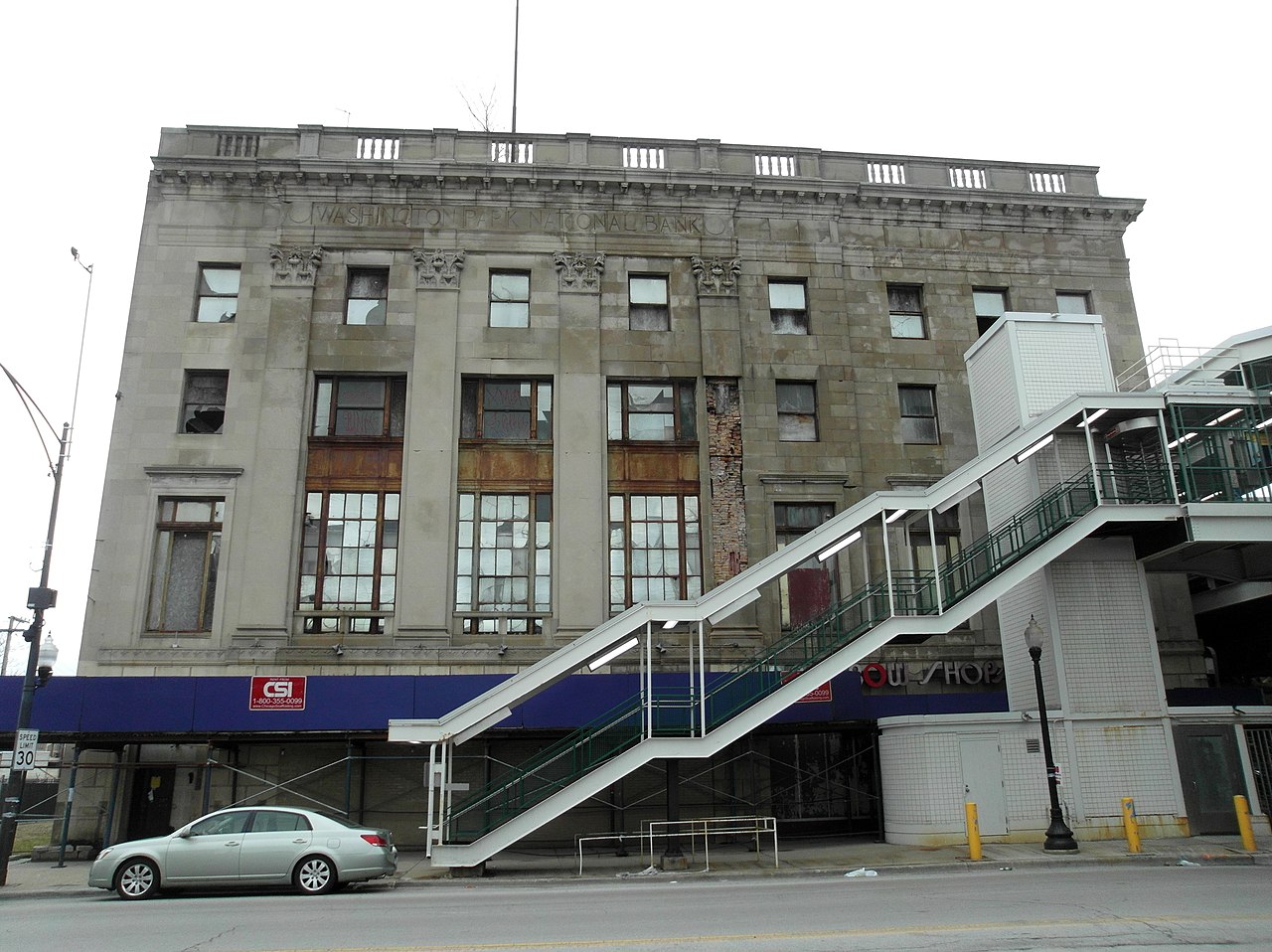
The area combines residential blocks, small commercial corridors, and institutional parcels. The northern edge of Woodlawn borders a portion of the University of Chicago campus, which influences local housing, research partnerships, and retail demand. Street patterns include both historic rowhouses and mid‑century apartment buildings.
History and development
Woodlawn grew as Chicago expanded southward in the late 19th and early 20th centuries, evolving from open land into a mixed urban neighborhood. Like many American urban areas it experienced demographic shifts and economic challenges through the mid‑ to late‑20th century, followed by periods of community organizing and reinvestment efforts.
Recent plans and investment
In the 21st century Woodlawn has been the focus of renewed public and private interest. The planned Obama Presidential Library is sited in the nearby parkland and has been described as a major catalytic project for the neighborhood, attracting planners, investors, and civic groups discussing transportation, housing, and job creation.
Community life and transit
Residents access parks, schools, churches, small businesses and community centers that support neighborhood life. Public transit links connect Woodlawn with other parts of Chicago, aiding commuting and cultural exchange. Local organizations work on affordable housing, youth programs, and streetscape improvements.
Notable facts and outlook
- Proximity to Jackson Park gives Woodlawn significant public open space and recreation opportunities.
- Adjacency to the University of Chicago provides academic and economic ties.
- Major redevelopment proposals have made Woodlawn a focus of city planning and community debate.
Woodlawn's future depends on balancing preservation, equitable investment, and community priorities as it navigates change while retaining distinct South Side identity.
Related articles
Author
AlegsaOnline.com Woodlawn, Chicago Leandro Alegsa
URL: https://en.alegsaonline.com/art/108955
Sources
- neighborhoods.com : "Woodlawn Poised to Be Chicago's Next Hot Neighborhood"