
Wolfenschiessen (Nidwalden, Switzerland)
Wolfenschiessen is a municipality in the canton of Nidwalden, central Switzerland, noted for its alpine setting, historic churches and mansions, rural economy, and opportunities for hiking and mountain recreation.
Overview
Wolfenschiessen is a municipality in the canton Nidwalden of central Switzerland. Set where low Alpine foothills give way to higher pastures and wooded slopes, the locality combines traditional village life with access to mountain landscapes and seasonal outdoor activities.
Image gallery
10 Images



Geography and settlement
The municipality occupies a mix of valley floor, terraces and higher alpine meadows. Several small villages and hamlets are scattered across its area, linked by local roads and trails. The terrain and climate have shaped land use for centuries, with forested slopes, grazing areas and cultivated fields forming a patchwork around the settlements.
History and development
Like many Swiss mountain communities, Wolfenschiessen grew from medieval rural settlement and shared a history of agriculture, pastoralism and local crafts. Over time improved transport and tourism broadened the local economy while many historic buildings were preserved or adapted for modern use. The municipality retains a sense of traditional community life alongside 20th- and 21st-century amenities.
Sights and notable buildings
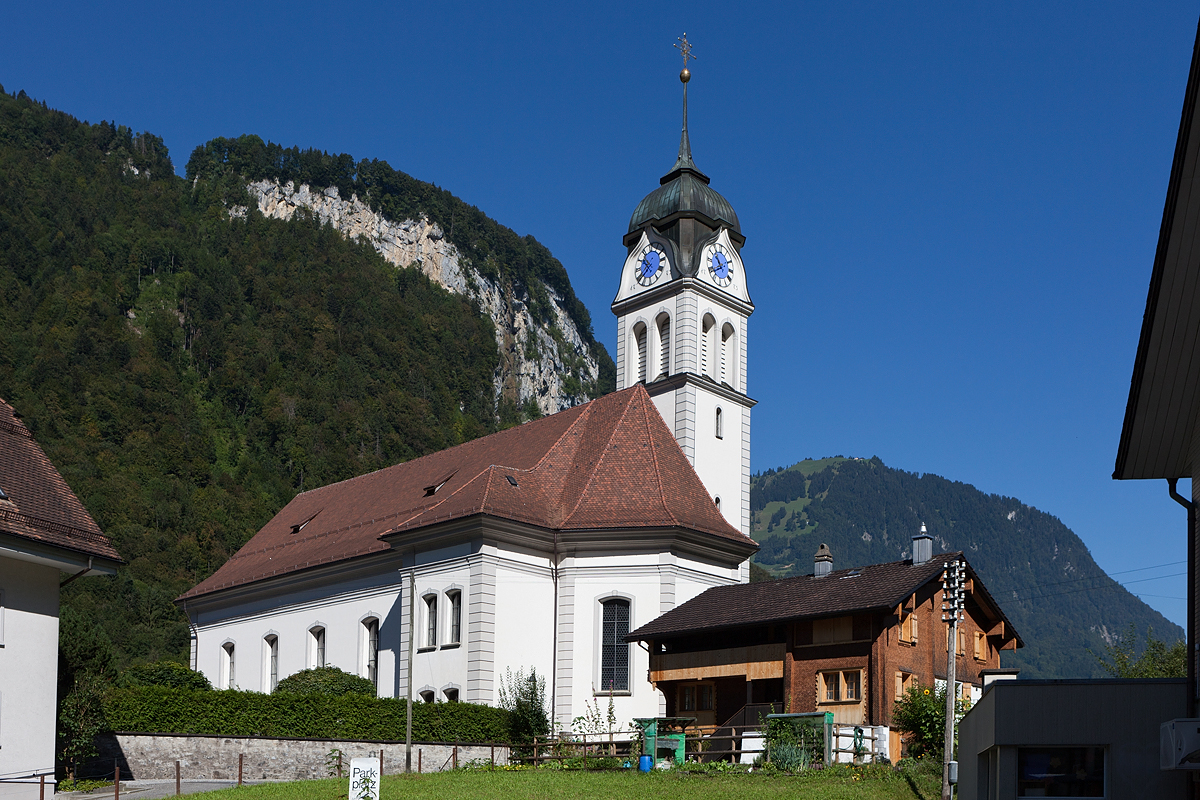
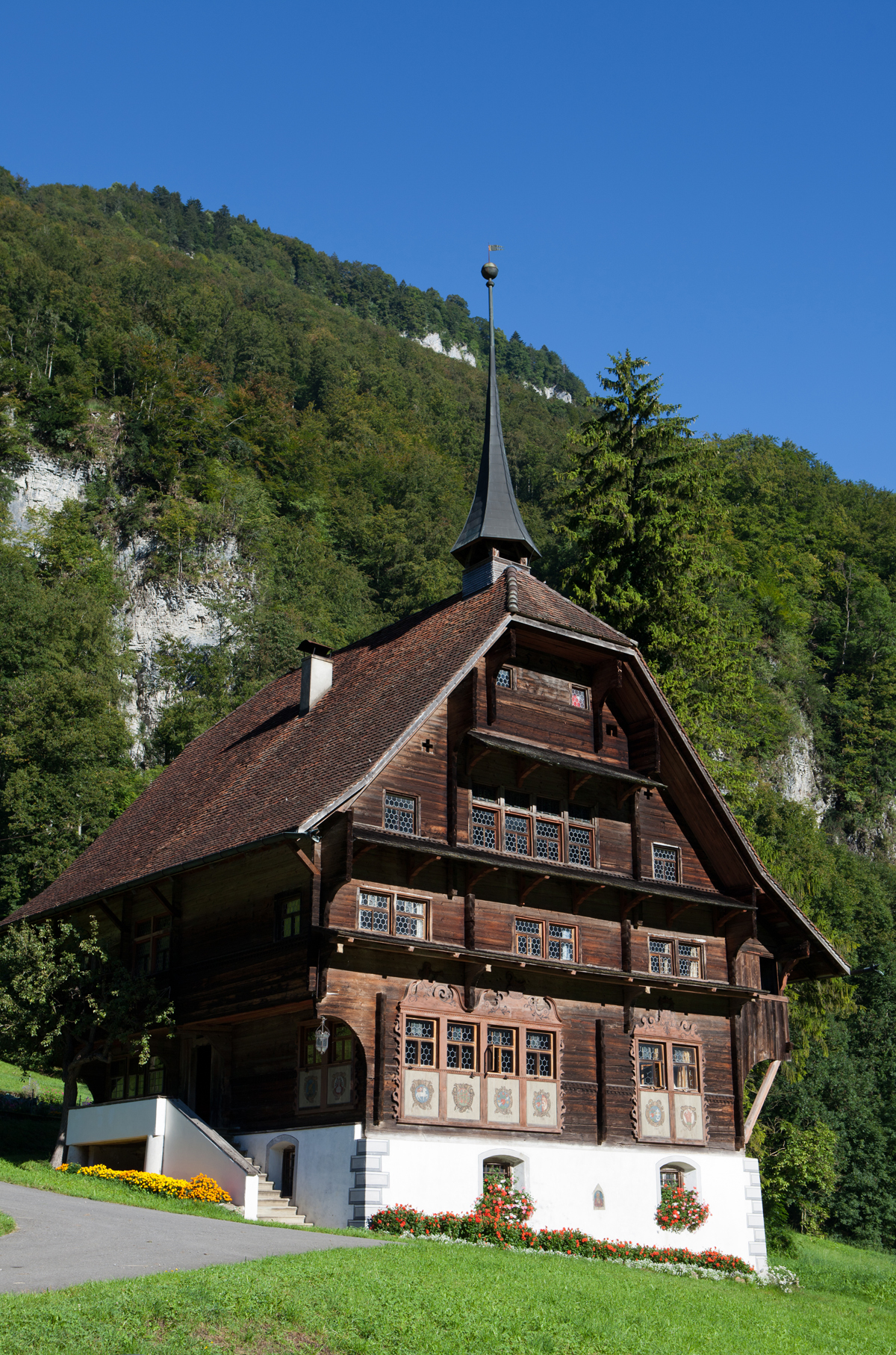
Important landmarks include the parish church St. Maria, the small chapel St. Joder in Altzellen, and several historic manor houses such as the mansions Hechhuis and Grossitz. These structures illustrate local architecture and the social history of the area, and they are often points of interest on walking routes.
Economy, culture and recreation
The local economy remains rooted in agriculture, forestry and service activities oriented to residents and visitors. Wolfenschiessen is used as a base for hiking, nature observation and seasonal mountain sports; festivals, local clubs and church communities keep regional traditions alive. Small businesses and guest accommodations support rural tourism.
Administration and access
Administratively part of the canton Nidwalden, Wolfenschiessen is connected to neighboring towns by regional roads and public transport links typical of central Switzerland. Its position offers a quieter alternative to larger lakeside or urban centers while giving access to the broader transport network of the region. For further local information consult municipal and cantonal resources here and regional guides here.
Related articles
Author
AlegsaOnline.com Wolfenschiessen (Nidwalden, Switzerland) Leandro Alegsa
URL: https://en.alegsaonline.com/art/108806