
Woking: town profile, history, landmarks and transport
Woking is a large Surrey town known for its modern redevelopment, cultural sites, transport links and historical associations including H. G. Wells and the Shah Jahan Mosque.
Overview
Woking is a substantial town in the county of Surrey in South East England. It has a population of about 62,796 and lies close to other regional centres; it is roughly 7 miles (11 km) from Guildford. The town functions as both a local commercial centre and a commuter hub for people working elsewhere in the London metropolitan area and the surrounding region.
Image gallery
10 Images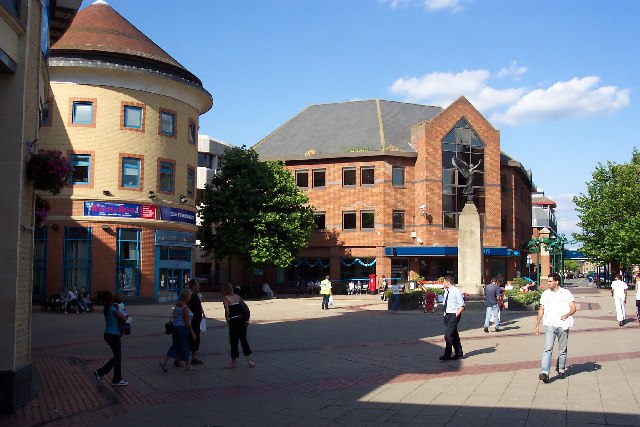


Character and layout
Woking combines a modern civic core with older residential suburbs. Recent decades have seen significant redevelopment around the railway station and town centre, introducing shopping centres, civic buildings and new housing. Surrounding areas include parks, riverside open space and suburban neighbourhoods that provide a mix of family homes and apartment living.
History and notable associations
The settlement has roots that extend back through the medieval and post-medieval periods and has grown substantially since the arrival of the railway in the 19th century. Woking is also known for literary and cultural associations: the author H. G. Wells lived in Woking and used the town as a setting in parts of his novel The War of the Worlds. Another historical landmark is the Shah Jahan Mosque, one of the early purpose-built mosques in Britain and an indicator of the town's long-standing international connections.
Landmarks and culture
Key cultural and civic attractions include a municipal gallery and museum, a live theatre and regenerated riverside and shopping areas. Notable sites and institutions include:
- The local art and heritage gallery offering exhibitions and community programmes.
- The town theatre hosting touring productions and concerts.
- The historic mosque, which is important for local and national Muslim heritage.
- Sporting clubs and community organisations that contribute to town life.
Transport, economy and role
Woking's main railway station is an important transport interchange with frequent services to central London and neighbouring towns, making it a convenient base for commuters. The local economy combines retail, offices, light industry and service-sector employment. Continued investment in transport and town-centre projects has shaped Woking's role as a regional centre while retaining local cultural and historical features.
Related articles
Author
AlegsaOnline.com Woking: town profile, history, landmarks and transport Leandro Alegsa
URL: https://en.alegsaonline.com/art/108786
Sources
- surreycc.gov.uk : Surrey County Council census data
- distance-calculator.co.uk : "Distance from Guildford Surrey and Woking N7"