
The Andrews Sisters: American close-harmony trio of the swing era
Popular American close-harmony singing trio active from the 1930s–1950s, known for wartime performances and hits like "Boogie Woogie Bugle Boy" and "Bei Mir Bist Du Schoen."
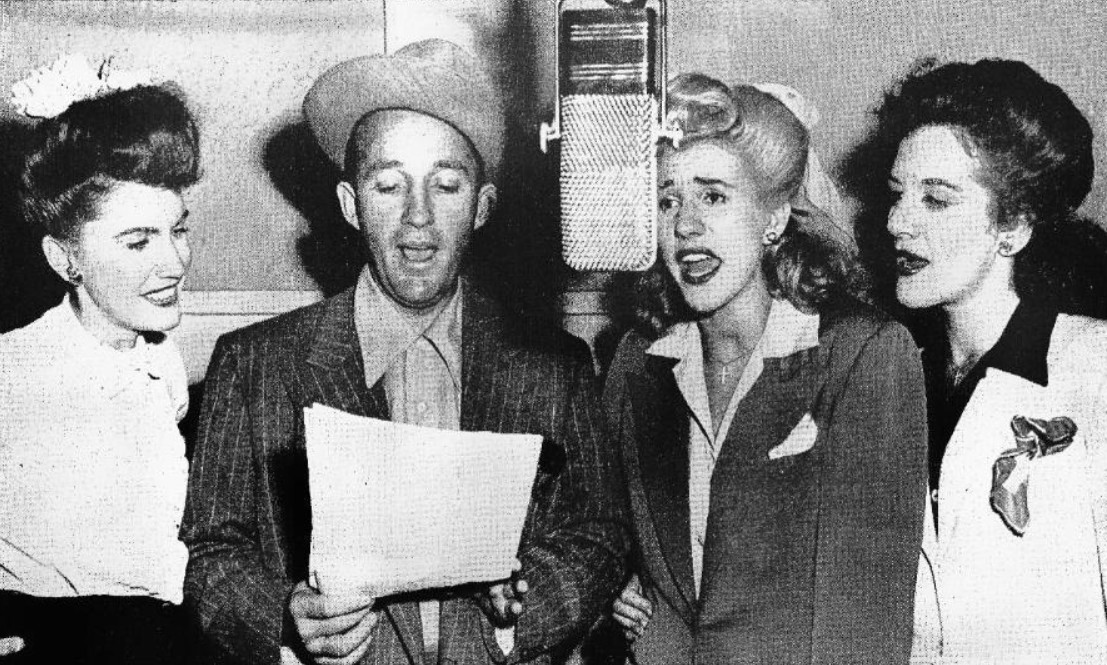
The Andrews Sisters were a prominent American close-harmony singing trio whose recordings and radio, film and live performances helped define popular music in the swing and big‑band era. The group consisted of three siblings: LaVerne, Maxene and Patty Andrews. They rose from regional performances to national fame in the late 1930s and remained culturally influential through the 1940s and into the 1950s.
Image gallery
4 Images


Sound and musical style
Their style combined tight, blend‑focused three‑part harmonies with rhythmic arrangements drawn from swing, boogie‑woogie and popular Tin Pan Alley songcraft. The sisters were known for precise intonation, close intervals and beat‑driven phrasing that made their numbers suitable both for radio and for dancing. They often performed with leading big bands of the era or used small studio ensembles that emphasized rhythm and vocal interplay.
Origins and rise to fame
Raised in Minneapolis, Minnesota, the Andrews sisters began performing locally before gaining broader notice on radio and in live shows. A breakthrough recording propelled them into national rotation; after that success they became regulars on radio programs, made dozens of commercial recordings, and appeared in Hollywood musical films. For background on their early life and hometown connections see Minneapolis and for broader reference material see Andrews Sisters resources.
Wartime role and public importance
During World War II the trio became especially associated with morale‑boosting songs and USO-style performances for troops. Their recordings, broadcasts and appearances were widely heard among military and civilian audiences, and a number of their songs became informal anthems for the period. They continued to record and tour after the war, though changing musical tastes in the 1950s gradually reduced their chart presence.
Notable recordings and appearances
- "Boogie Woogie Bugle Boy" — one of their best‑known wartime numbers and a signature song in their repertoire.
- "Bei Mir Bist Du Schoen" — an earlier hit that established them as recording stars.
- Numerous radio broadcasts and film appearances that brought their sound to mass audiences.
The Andrews Sisters remained an influential model for later vocal groups, particularly female trios and harmony ensembles. Their combination of rhythmic vitality and tight vocal arrangement left a lasting imprint on popular vocal music and on the ways harmony groups were produced for radio and film.
Later years and legacy
After decades of performing together they ceased regular activity following the death of LaVerne in 1967. Maxene and Patty performed intermittently afterward, and interest in their recordings has persisted through reissues, period radio programming and academic study of popular music. Their work is frequently cited in discussions of American music during the swing era and World War II, and their songs remain part of historical playlists and revivals.
Author
AlegsaOnline.com The Andrews Sisters: American close-harmony trio of the swing era Leandro Alegsa
URL: https://en.alegsaonline.com/art/131772