
Williams County, North Dakota
County in northwestern North Dakota centered on Williston; known for agriculture and a major oil and energy boom tied to the Bakken formation.
Overview
Williams County is a jurisdiction in the northwestern part of North Dakota. It serves as a regional hub for communities, commerce, and transportation. The county seat and largest city is Williston. At the time of the 2010 census, the county recorded a population of 22,398; since then the area has experienced demographic shifts related to energy and economic cycles.
Image gallery
3 Images

Geography and environment
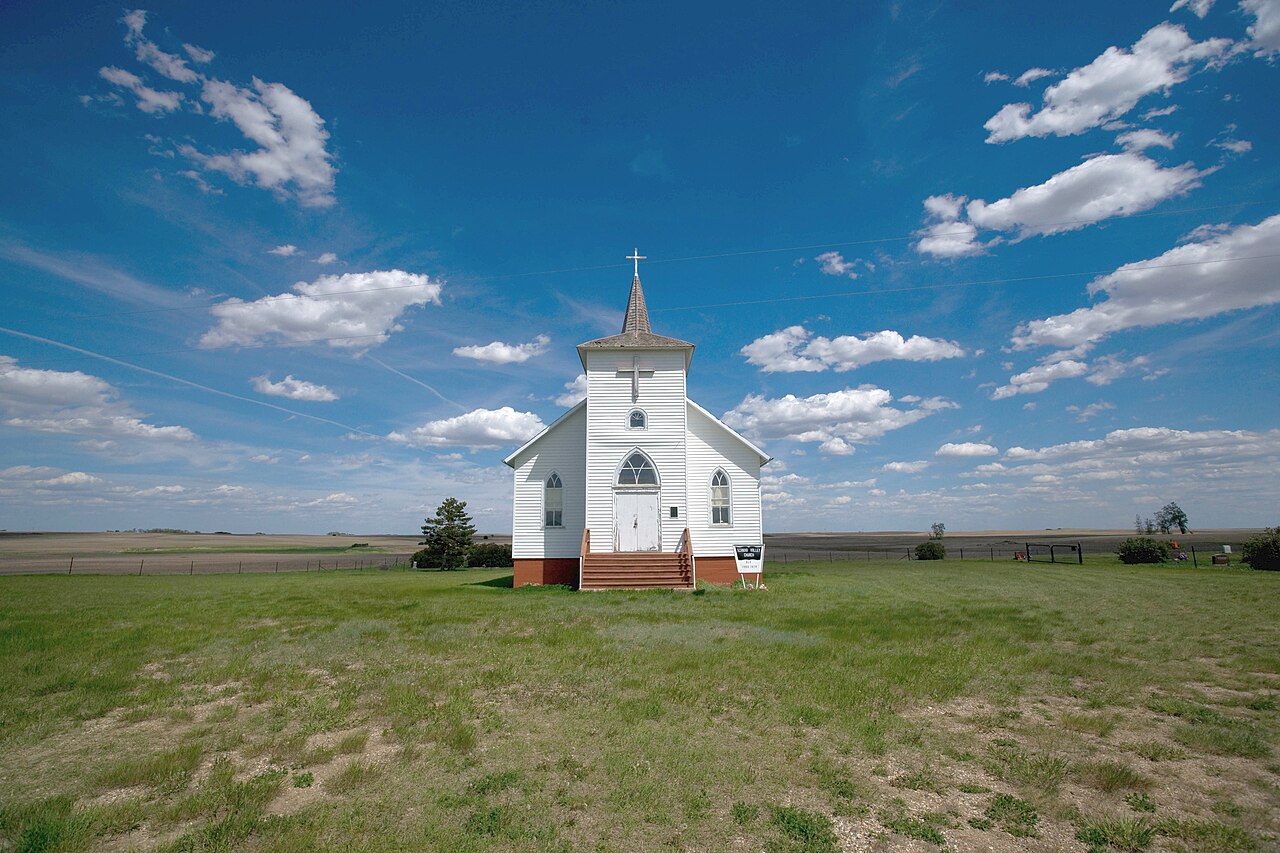
The county lies within the Great Plains and features rolling plains, river valleys, and mixed grass prairie. Its landscape supports dryland and irrigated agriculture, as well as habitats for regional wildlife. Local climate is continental, with cold winters and warm summers, shaping land use and settlement patterns.
History and development
Williams County developed in the late 19th and early 20th centuries as settlers established farms and towns. Over recent decades it gained national attention because of large-scale oil and natural gas extraction associated with the Bakken formation, which transformed local infrastructure, labor markets, and public services.
Economy and communities
The local economy balances traditional agriculture with energy production, construction, retail, and professional services. Williston functions as the economic and service center, offering medical, educational, and transport links for the county and surrounding region.
Government, services, and notable facts
- County government provides law enforcement, courts, and public works for residents.
- Rapid energy-related growth prompted investments in housing and roads, and also introduced planning challenges.
- Williams County is part of broader regional initiatives for economic diversification and environmental management.
For more detailed administrative or statistical information consult official county resources or state materials via local government portals and demographic reports. See also regional planning and economic development pages for contemporary context: state overview.
Related articles
Author
AlegsaOnline.com Williams County, North Dakota Leandro Alegsa
URL: https://en.alegsaonline.com/art/108326