
William Dean Howells
American novelist, critic and editor (1837–1920) who championed literary realism and shaped late 19th-century American letters; best known for The Rise of Silas Lapham.
Overview
William Dean Howells (March 1, 1837 – May 11, 1920) was a leading American writer, editor and critic in the late 19th and early 20th centuries. He played a central role in promoting literary realism in the United States and helped set standards for contemporary taste through reviews, editorships and his own fiction. Colleagues and later generations often called him the "Dean of American Letters."
Image gallery
7 Images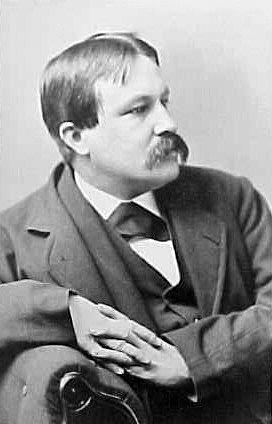


Literary career and themes
Howells worked across genres: novels, short stories, essays, plays and criticism. He favored careful observation of ordinary life, moral dilemmas, and social detail rather than romantic melodrama. His fiction often examines middle-class values, business ethics, and the practical consequences of ambition and conscience. As a critic and editor he supported younger writers and argued that American literature should reflect the realities of American society.
Major works
- The Rise of Silas Lapham — a widely read novel about business success, ethical choice and social aspiration.
- A Modern Instance — a serious treatment of marriage and divorce in a changing society.
- "Christmas Every Day" — a popular children’s story that highlights Howells's range and humor.
- Numerous essays, reviews and plays that shaped public discussion of literature and culture.
Influence and legacy
Howells championed realism and encouraged writers who explored American life without sentimentalizing it. Through his reviews and editorial work he helped bring attention to important contemporary authors and promoted a national literature grounded in social observation. His insistence on verisimilitude and moral seriousness influenced novelists who followed and remains a reference point in discussions of American literary development.
Personal life and later years
Howells married Elinor Mead and the couple raised three children. He traveled in Europe and maintained long friendships with many literary figures of his day. He continued writing and critiquing into his later years, leaving a large body of work that records the changing social and cultural landscape of his era.
Selected contributions and notable facts
- Prominent advocate of literary realism in the United States.
- Influential editor and critic who shaped reading publics and careers.
- Produced fiction and non‑fiction that engage social and ethical questions of his time.
Related articles
Author
AlegsaOnline.com William Dean Howells Leandro Alegsa
URL: https://en.alegsaonline.com/art/108211