
Wiki markup (wikitext)
Wikitext, or wiki markup, is a simplified markup language used to create and format pages on wiki sites. It is designed for easy editing and is parsed into HTML by wiki software.
Wiki markup, often called wikitext, is a lightweight markup language used to create and format pages on collaborative wiki systems. It provides a set of plain‑text conventions for headings, links, lists, emphasis and structural elements so that contributors can edit content without writing HTML directly. Wiki engines parse the markup and generate HTML that a browser can render; for more technical details see authoritative documentation.
Image gallery
3 Images

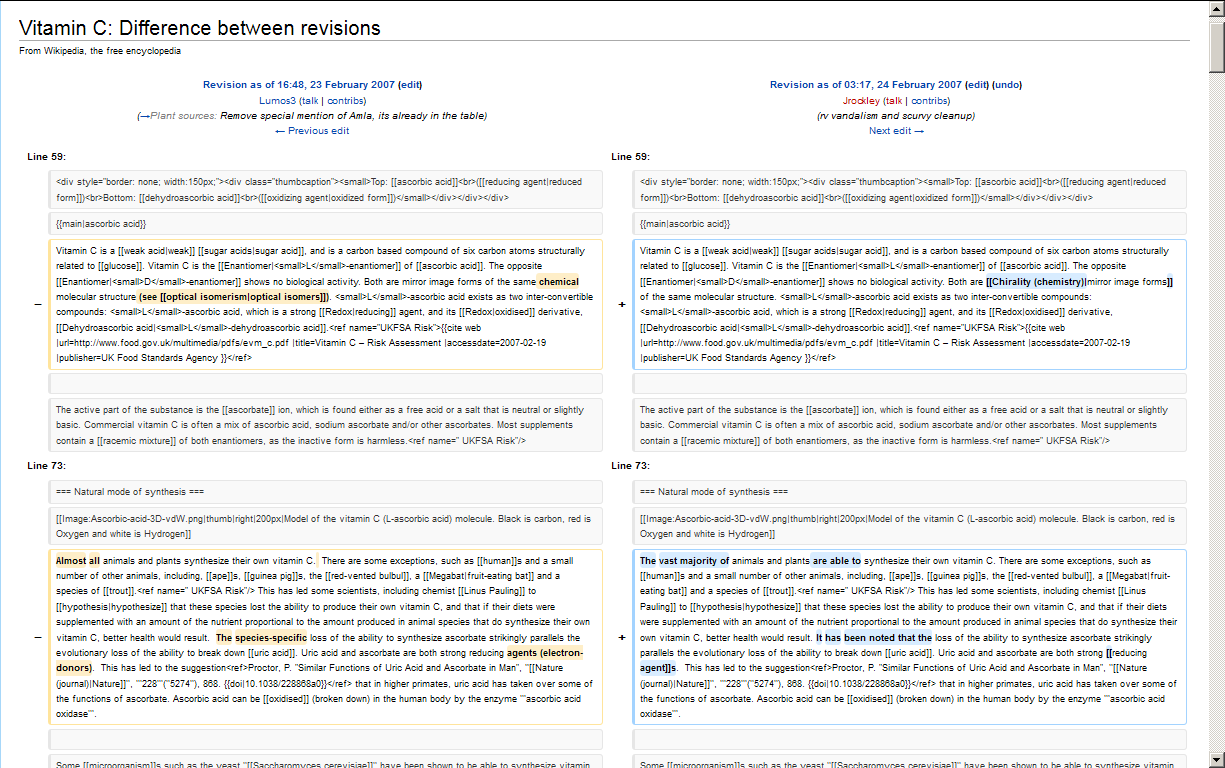
Basic features and common elements
Although exact syntax varies between engines, most wikitext implementations support a common core of features that make it practical for everyday editing:
- Headings and subheadings, created by leading equals signs or similar markers.
- Internal and external links, including simplified link text and URL insertion.
- Text formatting such as bold and italics using repeated punctuation.
- Bulleted and numbered lists for outlines and step sequences.
- Tables, simple image references, and captioning conventions.
- Templates, categories and metadata to reuse content and organize pages.
Wikitext is intentionally less verbose than raw HTML, which makes it more approachable for contributors who are not web developers.
Implementations and parsing
Different wiki engines implement wikitext with varying rules and extensions. MediaWiki, the engine behind many large wiki projects, uses a relatively rich wikitext dialect and a parser that converts markup into HTML and cached output; see MediaWiki for an example of a mature implementation. Other systems use their own syntax or adopt shared standards, so pages can behave differently from one wiki to another. Wikis are common on collaborative websites and intranets; many public examples are hosted on prominent wiki sites.
History and evolution
The idea of a simple editing language grew out of the early wiki movement, which emphasized quick, incremental collaboration. Early wiki software favored lean syntax to lower the barrier to participation. Over time, developers added features such as templates, parser functions and richer linking to support larger projects. Large community wikis, including encyclopedic collections, played a major role in shaping practical extensions and conventions; for instance, contributors to Wikipedia helped standardize many common patterns.
Uses, advantages and trade-offs
Wikitext is widely used for collaborative documentation, knowledge bases, manuals and community encyclopedias because it is easy to learn, quick to edit and suited to plain‑text workflows. Its advantages include readability in source form, simple version control integration and rapid publishing. Trade‑offs include inconsistent dialects across engines, limited layout precision compared with raw HTML/CSS and potential security considerations when parsing user input. Many modern wikis offer both wikitext and visual editors to serve different user preferences.
Practical tips
New users benefit from previewing changes, consulting local help pages, and reusing existing templates to maintain consistent style. When migrating content between systems, check parser differences and test rendered pages. For developers extending a wiki, understanding the parser pipeline and sanitization steps is essential to preserve usability and safety. Additional resources and examples can be found in official documentation and community guides referenced above.
Related articles
Author
AlegsaOnline.com Wiki markup (wikitext) Leandro Alegsa
URL: https://en.alegsaonline.com/art/108024