
Yellow journalism: origins, characteristics, and modern parallels
Yellow journalism is a sensationalist reporting style that emphasizes attention-grabbing headlines, bold visuals and rumor over rigor. It rose in late-19th-century U.S. newspapers and has modern analogues.
Yellow journalism refers to a style of news reporting that prioritizes sensationalism, dramatic presentation and circulation over careful verification and sober analysis. Rather than focusing on verified facts, it emphasizes lurid or emotionally charged stories, striking headlines and large visuals to attract readers. Critics use the label to describe newspapers or outlets that rely heavily on rumor, exaggeration and one-sided accounts to sell copies or drive readership.
Image gallery
9 Images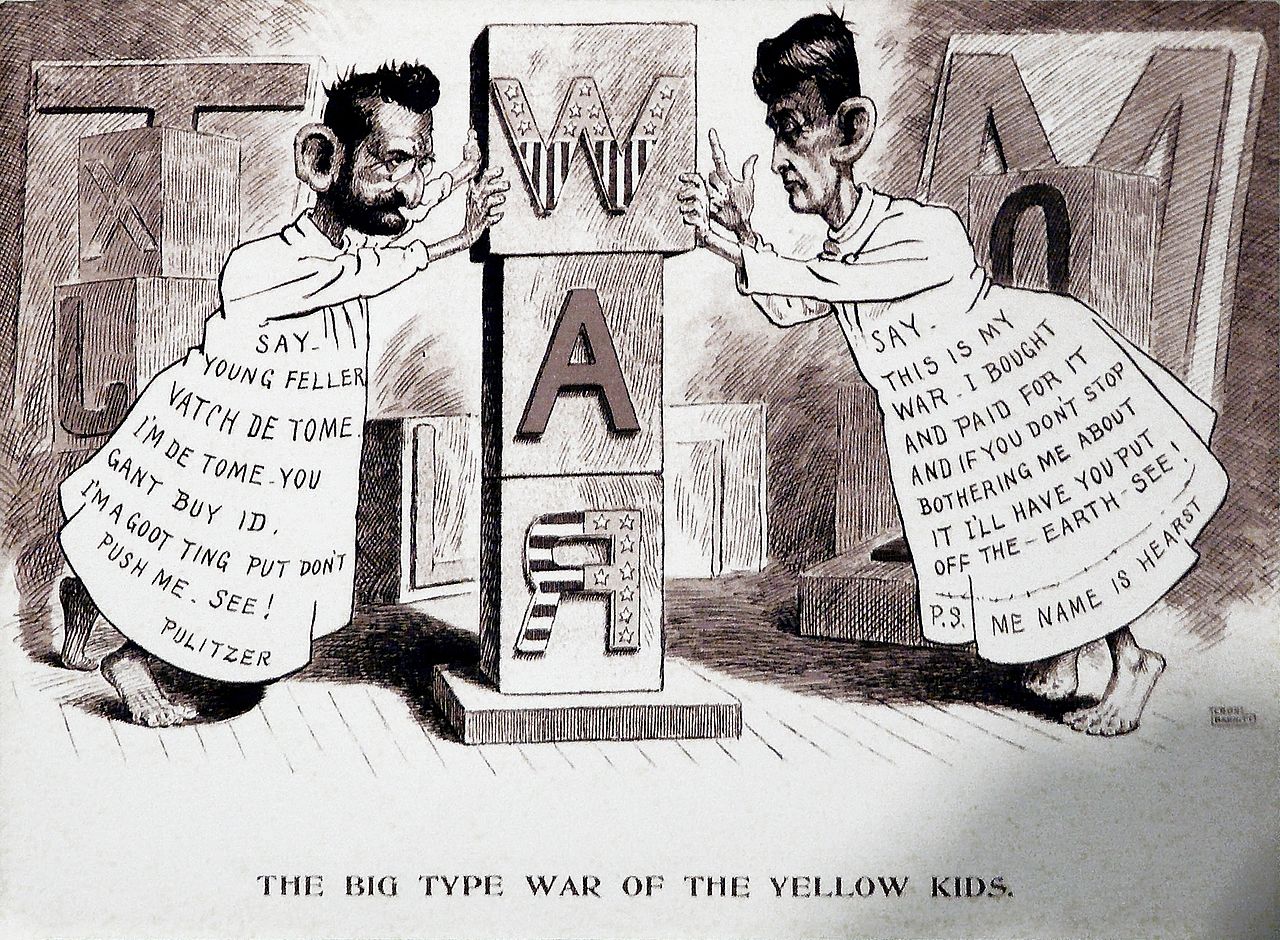



Key characteristics
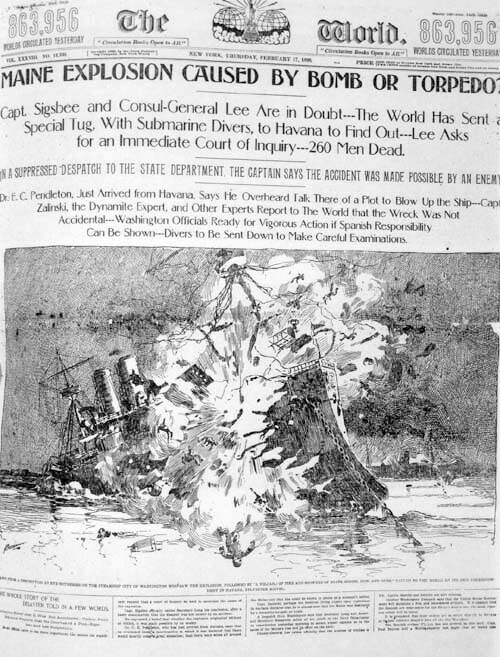
Typical features include bold, eye-catching headlines designed to provoke curiosity; prominent use of illustrations, photographs or color; short, punchy stories that emphasize scandal or conflict; frequent reliance on anonymous or informal sources; and a focus on human-interest and sensational topics such as crime, celebrity scandal and dramatic accidents. These elements are often combined with aggressive promotion and editorializing to cultivate a high-circulation audience. For a concise label, some writers link the approach to broader trends in sensational reporting.
- Headline-first presentation: Large type and dramatic wording intended to force attention (shocking headlines).
- Visual emphasis: Big illustrations, color supplements and graphic devices to catch the eye.
- Content choices: Prioritizing sports, scandal and crime over complex policy or investigative work (sports, scandals).
- Sourcing and tone: Frequent reliance on rumor, unnamed informants and emotive language.
History and development
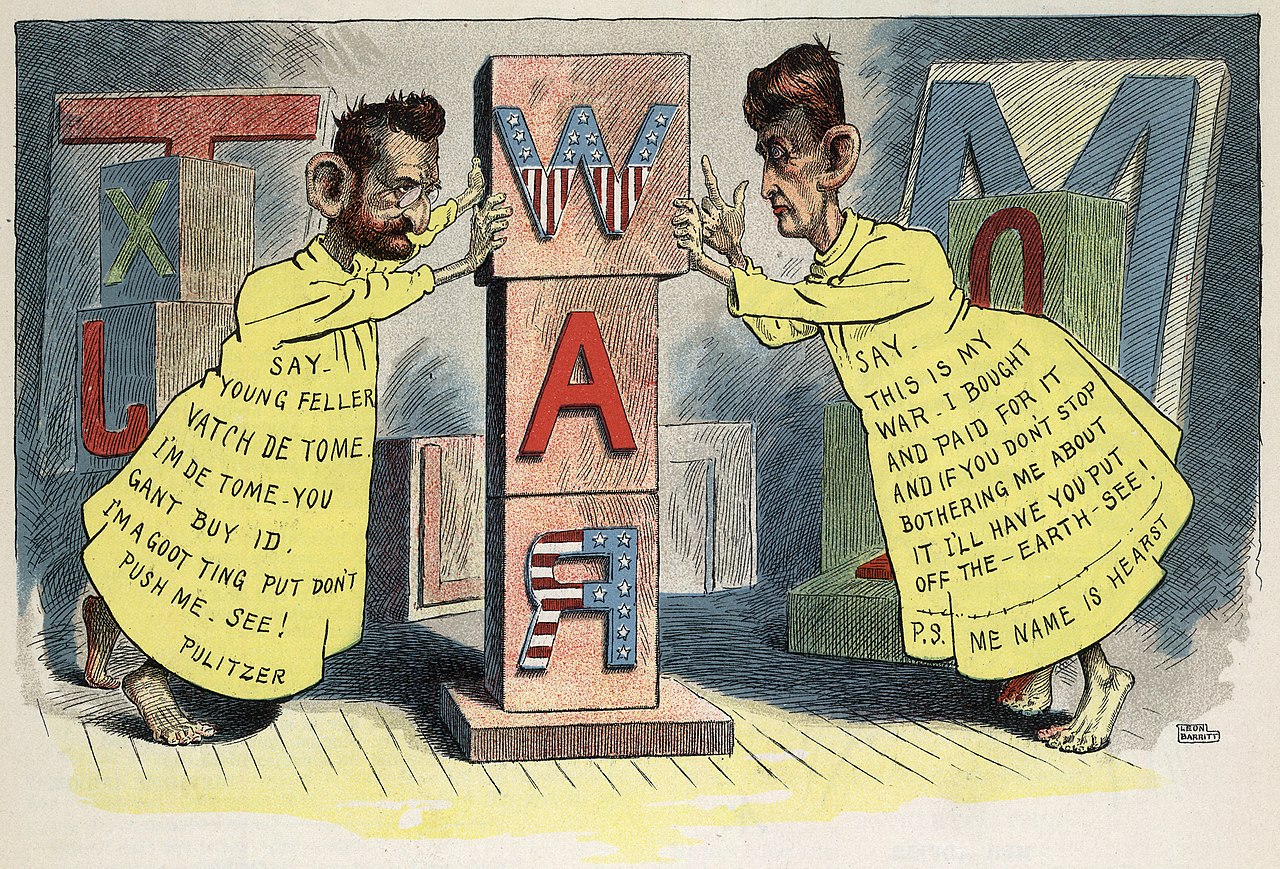
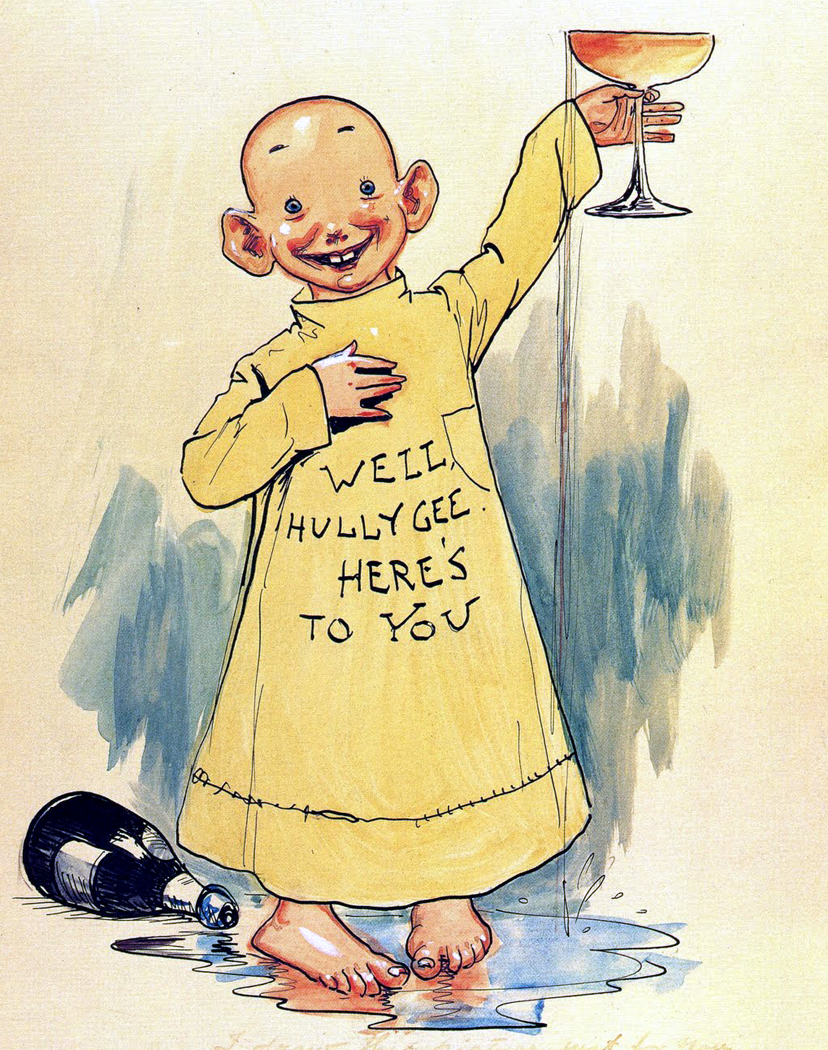
The phrase is most often associated with a circulation battle among major newspapers in late-19th-century New York City. Competing publishers increased visual and rhetorical intensity to attract readers, sometimes blurring the line between news reporting and entertainment. A famous cartoon character known as the "Yellow Kid" became linked with the period's style and helped fix the name in popular usage.
Scholars have traced how the practice influenced public debate and policy by shaping popular perceptions of events. In some historical episodes, sensational coverage intensified public sentiment and political pressure. Historians have also summarized the pattern by listing consistent traits—such as startling headlines, colorful presentation, melodramatic stories, aggressive promotion and loose sourcing—that recur across different publications and eras.
Impact and modern parallels
Yellow journalism has long attracted criticism for undermining public trust, encouraging misinformation and elevating entertainment value over civic information. While the heyday of large, mass-market papers has passed, many observers see close analogues today in clickbait headlines, tabloid newspapers, and some social-media-driven outlets that chase engagement with sensational claims. The same psychological levers—emotion, surprise and visual stimulus—continue to shape what audiences notice and share.
Distinctions and notable facts
Yellow journalism is not synonymous with poor journalism in every case; rather, it denotes a particular editorial approach that privileges attention and sales over verification. Responsible newsrooms distinguish themselves by emphasizing corroboration, transparency about sources and context. Understanding the differences between sensationalized coverage and rigorous reporting helps readers evaluate information quality and guards against manipulation by exaggerated or unverified claims.
For further reading on the topic and its contemporary forms, see pieces that compare historical yellow press practices with modern media strategies and analyses of how sensationalism affects public discourse. Examples and case studies appear in many media-history surveys and journalism handbooks, which explore both the commercial motives and civic consequences of this approach.
Questions and answers
Q: What is yellow journalism?
A: Yellow journalism is a type of journalism that does not report much real news with facts. It uses shocking headlines to catch people's attention and sell more newspapers.
Q: How do yellow press newspapers present their stories?
A: Yellow press newspapers have several columns and front-page headlines about different types of news, such as sports and scandals. They use bold layouts (with large illustrations and perhaps color), and stories reported using unnamed sources.
Q: When was the term "yellow journalism" first used?
A: The term was often used to talk about some large New York City newspapers around 1900 as they fought to get more readers than the other newspapers.
Q: Who said there were five things that made up yellow journalism?
A: In 1941, Frank Mott said that there were five things that made up yellow journalism.
Q: What are the five components of yellow journalism according to Frank Mott?
A: The exact components of yellow journalism according to Frank Mott are unknown, but it likely includes exaggerating facts or spreading rumors, using shocking headlines, having several columns on different topics, using bold layouts with illustrations or color, and reporting stories using unnamed sources.
Related articles
Author
AlegsaOnline.com Yellow journalism: origins, characteristics, and modern parallels Leandro Alegsa
URL: https://en.alegsaonline.com/art/109764
Sources
- simple.wiktionary.org : yellow journalism
- jstor.org : "Middle Western Newspapers and the Spanish American War, 1895–1898"
- doi.org : 10.2307/1896320
- jstor.org : 10.2307/1896320
- questia.com : William Randolph Hearst: The Early Years, 1863–1910
- questia.com : The Gilded Age Press, 1865–1900
- xroads.virginia.edu : "Selling the Kid: The Role of Yellow Journalism"