
Wichita, KS Metropolitan Statistical Area
The Wichita MSA is the largest metropolitan region in Kansas, centered on Wichita and encompassing five south-central counties; noted for aerospace, manufacturing, agriculture and regional services.
Overview
The Wichita, KS Metropolitan Statistical Area is the primary population and economic hub of south-central Kansas. Centered on the city of Wichita, the MSA comprises five counties in the region and serves as the state’s largest metropolitan area. In 2013 the combined population of the MSA was estimated at about 637,989 residents, reflecting its role as a regional center for commerce, health care and education.
Image gallery
6 Images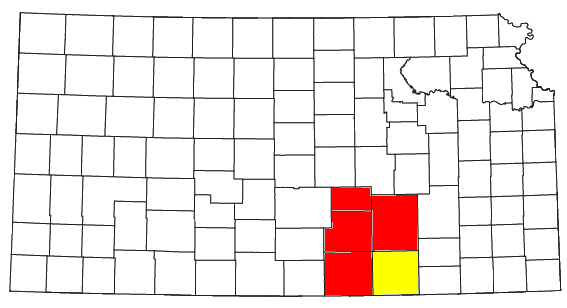


Geography and composition
The MSA occupies a predominantly flat portion of the Great Plains and includes urban, suburban and rural landscapes. The principal urban core is Wichita, surrounded by smaller cities, towns and agricultural communities. Transportation corridors — including interstate highways, regional rail lines and a commercial airport — link the area internally and to national markets.
History and development
Wichita grew in the late 19th and early 20th centuries as a trading center and later expanded with oil discoveries and the rise of aircraft manufacturing. Over time the metropolitan area developed into a diverse economy: aviation and aerospace firms became important employers, while manufacturing, agriculture and service industries supported steady urban and suburban growth.
Economy and infrastructure
The region’s economy mixes aerospace and general manufacturing with health care, education and logistics. Wichita’s airport and freight connections support industry and commerce, while regional institutions — colleges, hospitals and cultural centers — provide services and workforce development. Agriculture and food processing remain significant in the surrounding rural counties.
Demographics and culture
The population includes urban and suburban households, with cultural amenities such as museums, performing arts venues and annual festivals serving residents and visitors. Educational institutions and community organizations contribute to civic life, and local media and business networks extend the MSA’s influence across south-central Kansas.
Notable facts and distinctions
- The region is the largest metropolitan area in Kansas and a focal point for the state’s economy.
- Its industrial identity is closely associated with aviation and related supply chains.
- The MSA covers five counties in south-central Kansas and functions as a regional center for services, transportation and commerce.
Together, these characteristics make the Wichita MSA a key geographic and economic unit in Kansas, balancing urban amenities with ties to surrounding agricultural areas and regional industry.
Related articles
Author
AlegsaOnline.com Wichita, KS Metropolitan Statistical Area Leandro Alegsa
URL: https://en.alegsaonline.com/art/107931
Sources
- 2010.census.gov : 2010.census.gov