
White Springs, Florida: river town, spring resort, and cultural site
Small town on the Suwannee River in northern Florida, known for its historic spring, Stephen Foster State Park and the annual Florida Folk Festival.
Overview
White Springs is a small town in northern Florida, United States. Situated on the banks of the Suwannee River near the Georgia line, the town grew around a natural spring that long attracted visitors and settlers. Its compact downtown, historic character and riverside setting define much of its identity.
Image gallery
8 Images



Geography and characteristics
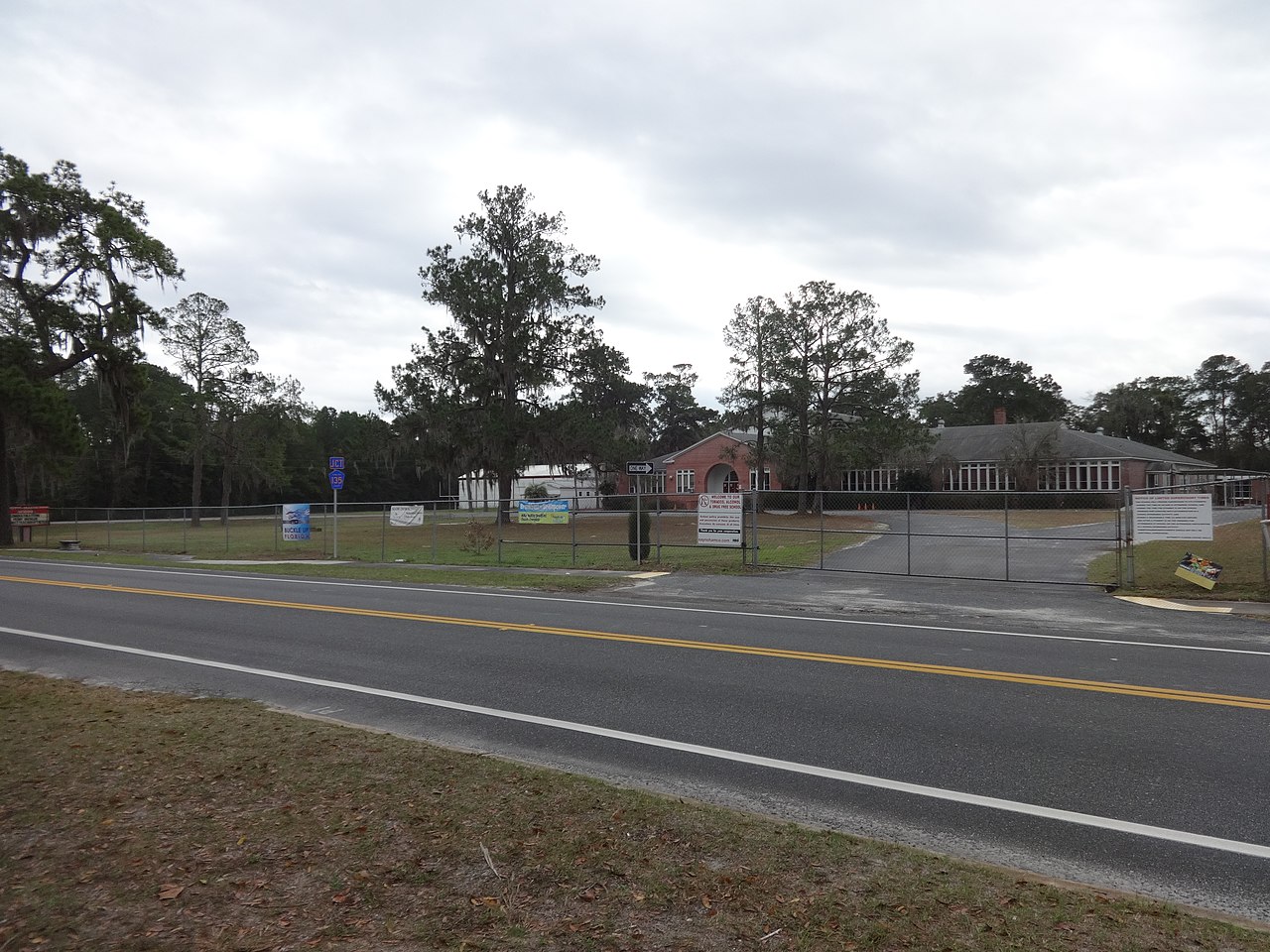
The community centers on a mineral spring that gave White Springs its name and on riverfront land used for recreation and wildlife habitat. The built environment reflects its resort past, with a mix of vernacular commercial buildings, cottages and public parkland. The town today remains small and rural, with an economy that blends tourism, local services and outdoor recreation.
History and cultural roots
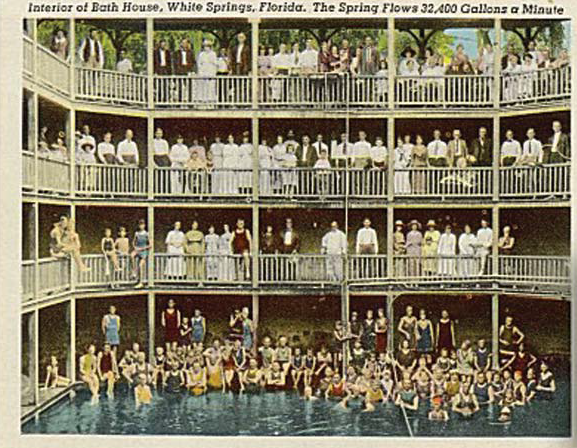
In the late 19th and early 20th centuries the spring and riverfront made the town a regional destination for visitors seeking healthful waters and leisure. Over time the resort era waned and efforts to preserve the town’s heritage led to the creation of parkland and museums that celebrate both local history and Southern musical traditions. The town is closely associated with the composer Stephen Foster because his best-known song evokes the Suwannee River.
Attractions and events
- Stephen Foster Folk Culture Center State Park, with a museum and interpretive exhibits.
- Annual folk music gatherings and cultural festivals that draw regional audiences.
- Outdoor activities along the Suwannee River: paddling, fishing and birdwatching.
- Historic downtown streetscapes and riverfront park areas for walking and picnics.
Importance and notable facts
White Springs is notable for its combination of natural features and cultural programming. The state park and festivals help sustain a visitor economy while local preservation efforts maintain historic buildings and public spaces. For more information about the town and its events see the municipal and state resources: town information, Florida state park details and broader context within the United States.
Related articles
Author
AlegsaOnline.com White Springs, Florida: river town, spring resort, and cultural site Leandro Alegsa
URL: https://en.alegsaonline.com/art/107854