
White Feather (1955 film)
White Feather is a 1955 American Western directed by Robert D. Webb, adapted from a 1952 story by John Prebble, featuring Robert Wagner and Debra Paget among its principal cast and released by 20th Century Fox.
Overview
White Feather is a 1955 American Western film directed by Robert D. Webb and released by 20th Century Fox. The screenplay was adapted from a 1952 story by John Prebble. Marketed within the studio-era wave of postwar Westerns, the picture brought together a cast of established and rising actors for a film positioned between adventure melodrama and frontier drama.
Image gallery
2 Images
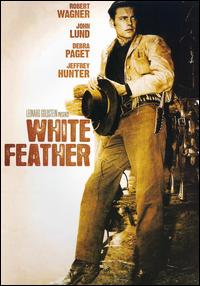
Cast and principal credits
The movie's principal performers included leading and supporting actors who were active in 1950s Hollywood. Notable names in the cast are:
- Robert Wagner
- Debra Paget
- Virginia Leith
- Hugh O'Brian
- John Lund
- Eduard Franz
Source material and production
The film is credited as an adaptation of a 1952 story by John Prebble. During the 1950s, Hollywood studios frequently turned short fiction and magazine stories into feature films; White Feather is an example of this practice. Robert D. Webb, the director, worked within the studio system and was known for his reliable craftsmanship on genre pictures. The distributor was 20th Century Fox, which handled promotion and release.
Themes, style and context
White Feather belongs to the mid‑century Western tradition that mixed action with questions about community, authority and survival on the frontier. While not every film from this period sought to reinvent the genre, many explored interpersonal tensions, negotiations between settlers and indigenous peoples, or conflicts within military and civilian ranks. The movie can be considered in light of these recurring motifs, as well as the era's production values and star-driven marketing.
Reception and legacy
Contemporary reviews and audience response to many studio Westerns varied, and White Feather found its place among the prolific output of the decade rather than as a landmark title. Its primary legacy is as a representative example of 1950s studio filmmaking: an adaptation of existing prose, a cast mixing established names and newer faces, and distribution through a major studio. For researchers or fans exploring the period, the film offers insight into how midcentury Hollywood packaged Western narratives for mass audiences.
Further information
For those seeking more details about the film's production history, cast biographies, or critical appraisal, archival materials and film reference works provide useful starting points. Links to actor profiles and studio records can supply additional context on careers and release history; for example, consult sources associated with the principal performers and the studio to trace contemporary promotion and later reappraisals.
Related articles
Author
AlegsaOnline.com White Feather (1955 film) Leandro Alegsa
URL: https://en.alegsaonline.com/art/107813