
Wet cell (electrochemical cell using liquid electrolyte)
A wet cell is an electrochemical cell that uses a liquid electrolyte. This article explains design, common types (flooded lead–acid, historical cells), uses, safety, maintenance and differences from dry cells.
Overview
A wet cell is an electrochemical cell in which the electrolyte—the medium that carries ionic charge between electrodes—is in liquid form. Liquid electrolytes distinguish wet cells from so-called dry or paste-electrolyte cells, which use immobilized pastes or gels. Wet cells were the dominant form of early batteries and remain important today where high current delivery, rechargeability or low cost are required.
Image gallery
10 Images


Components and characteristics
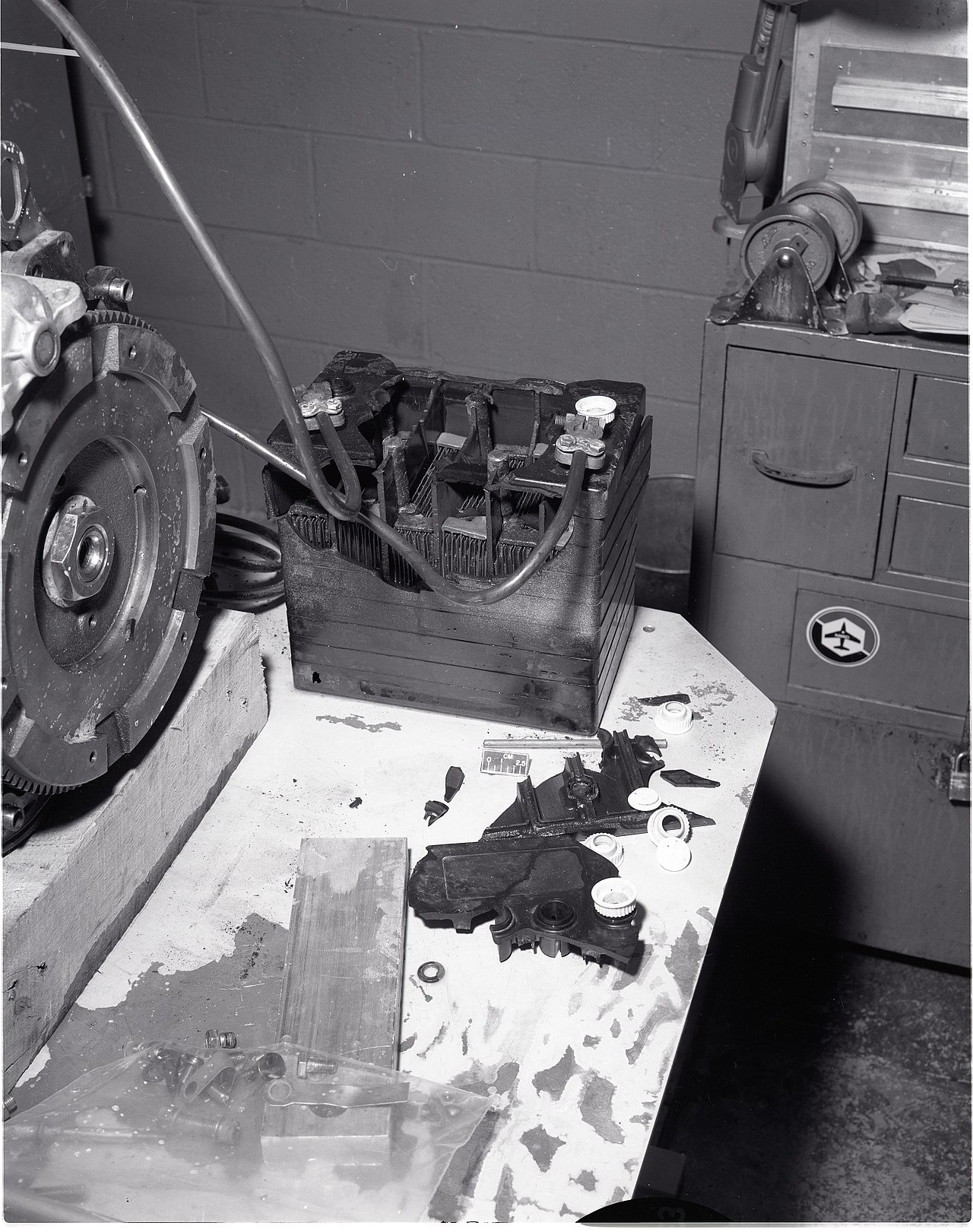
Typical wet cell components include two electrodes (an anode and a cathode), a liquid electrolyte, separators to prevent shorting, and a rigid container. Characteristics commonly associated with wet cells are high current capability, relatively simple construction, and the potential for maintenance such as topping up electrolyte levels. Because the electrolyte is free-flowing, wet cells may be subject to leakage, evaporation, and the need for ventilation during charging.
- Electrolyte: liquid acidic, alkaline or salt solution; in automotive lead–acid cells it is a sulfuric acid solution (electrolyte).
- Electrodes: metal plates or rods that undergo chemical change during discharge and charge.
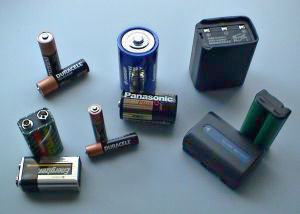
- Types: flooded (unsealed) wet cells and early primary wet cells such as the Daniell cell.
History and development
Early electrical cells of the 19th century were predominantly wet cells. Inventors such as Alessandro Volta and John Daniell used liquid electrolytes to create reliable sources of current. Over time most portable consumer batteries moved to paste electrolytes for safety and convenience, but liquid-electrolyte designs continued to evolve for high-power and stationary uses.
Uses, maintenance and safety
Wet cells are widely used in automotive starter batteries, uninterruptible power supplies, and industrial systems where high surge currents and rechargeability are important. Flooded lead–acid batteries are a common example and are still used broadly in vehicles and backup power. Maintenance for some wet cells can include checking and topping up electrolyte with distilled water and ensuring proper terminal connections. Safety issues include risk of acid spillage, corrosive damage, and generation of hydrogen gas during charging, so ventilation and protective equipment are recommended.
Distinctions and notable facts
Compared with dry or sealed cells, wet cells generally provide greater tolerance for heavy discharge and simpler recycling, but they require more care to avoid leaks and hazards. Modern sealed valve-regulated designs use immobilized electrolytes to combine convenience with performance, while traditional flooded wet cells remain favored where cost and power density are priorities (batteries, cars).
Related articles
Author
AlegsaOnline.com Wet cell (electrochemical cell using liquid electrolyte) Leandro Alegsa
URL: https://en.alegsaonline.com/art/107614