
Wes Craven's New Nightmare
1994 metafictional slasher film by Wes Craven in which Freddy Krueger invades the real world; a standalone, darker reinvention of the Elm Street mythos that explores horror and reality.
Overview
Wes Craven's New Nightmare is a 1994 horror film written and directed by Wes Craven, the creator of A Nightmare on Elm Street. Presented as a film about a film, it reimagines the franchise's antagonist not as a straightforward sequel entry but as a self-contained, metafictional story that blurs the boundary between fiction and reality.
Image gallery
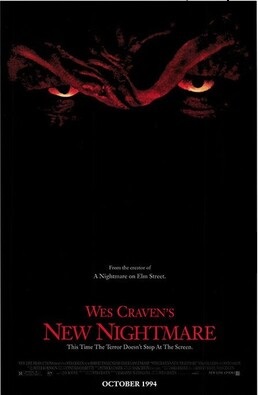
3 Images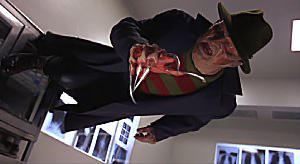

Premise and characters
The movie follows a scenario in which the fictional horror icon Freddy Krueger begins to affect the real people who have portrayed or made him famous. The lead actor plays a fictionalized version of herself, and the plot centers on the unease that grows as events on- and off-set begin to mirror one another. Although it uses familiar elements from the series, the film deliberately steps outside the established continuity of the franchise to pursue a different tone and purpose.
Style, themes and production
Craven reclaimed the material with the intention of returning Freddy to a more ominous, elemental force rather than the jocular figure he had sometimes become. The film leans into metafiction and self-reflexivity: it examines celebrity, fandom, the responsibilities of storytellers, and the way fictional nightmares can feel disturbingly real. Visually and tonally, it favors a darker, more atmospheric approach with deliberate updates to costume and makeup to make the creature more menacing.
Reception and legacy
Released on October 14, 1994, the picture received attention for its novel approach to a long-running series and generally earned positive responses from critics who praised its originality and tone, even if some viewers expected a conventional sequel. It grossed about $19.7 million during its theatrical run. The film is often cited as an important example of self-aware horror and is seen as a precursor to later works that explore the nature of storytelling and genre (including later Craven projects).
Notable points
- Seventh production connected to the Elm Street cycle, but intentionally not part of the series continuity; presented as a distinct, standalone work. Franchise context
- Wes Craven returned to writing and directing to shift the series back toward a darker conception of its antagonist.
- The film uses metafictional devices—actors playing versions of themselves, real-world settings, and references to the earlier films—to question the relationship between spectators and the horrors they consume.
- Robert Englund appears in the film as the series' central villain, portrayed with renewed menace rather than comic relief.
- Its influence is often discussed in surveys of 1990s horror that chart the genre's move toward self-reflection and reinvention.
For readers seeking more background on the film's production, themes, and place within modern horror, see related materials and retrospectives that examine how a popular series was reworked into a meditation on storytelling, fame, and fear. Additional context and contemporary commentary are available through dedicated film resources and interviews with the filmmakers. More on the film, about Craven, and discussions of the Elm Street legacy and franchise history provide useful starting points; primary information on the antagonist is often grouped under Freddy Krueger.
Related articles
Author
AlegsaOnline.com Wes Craven's New Nightmare Leandro Alegsa
URL: https://en.alegsaonline.com/art/107311
Sources
- boxofficemojo.com : Box Office Mojo · web.archive.org