
Adrian Frutiger — Swiss Type Designer (1928–2015)
Adrian Frutiger was a Swiss typeface designer whose clear, legible sans-serifs—most famously Univers, Frutiger and Avenir—shaped modern signage, publishing and corporate typography.
Overview
Adrian Frutiger (born May 24, 1928 in Unterseen, Switzerland; died September 12, 2015 in Bremgarten bei Bern) was a leading figure in 20th-century type design. He worked across print, signage and digital environments and is best known for creating families that balance clarity, neutrality and subtle humanist forms.
Image gallery
10 Images


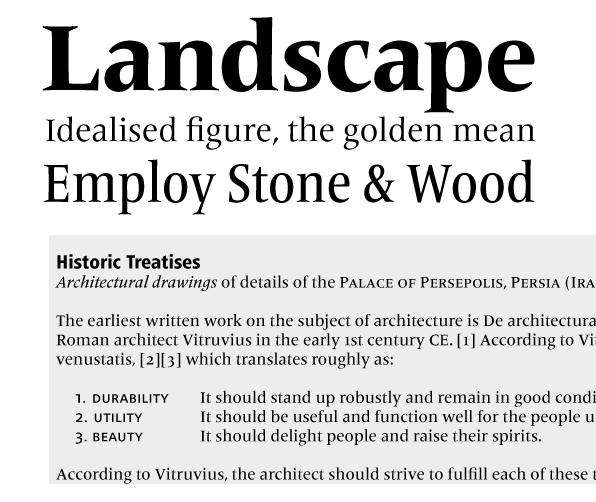


Major typefaces
Frutiger produced several type families that became standards in graphic design and wayfinding. Notable examples include:
- Univers — a large, systematic neo-grotesque family notable for its consistent proportions and a numbering scheme that organized weights and widths.
- Frutiger — a humanist sans designed for legibility at a distance and in signage; it has been widely adopted for airports, transport and corporate identity work.
- Avenir — conceived as a contemporary geometric sans with organic details, intended for text and display use in modern layouts.
Design principles and characteristics
Frutiger emphasized legibility and functional clarity. His sans-serif families often combine clean, open letterforms with careful stroke modulation so that characters remain distinct in small sizes, at long distances, or under poor reproduction. He sought neutrality without sterility: many of his designs show subtle humanist influences that aid reading comfort.
History and career highlights
Trained in Switzerland, Frutiger rose to prominence in the postwar era when modernist typography and rational type systems were influential across Europe. Working with international foundries and later with digital font companies, he adapted his designs to evolving production technologies while maintaining their core readability goals.
Uses, impact and legacy
Frutiger’s typefaces have been widely used for signage, transportation systems, corporate branding, books and user interfaces. Their combination of clarity and adaptability made them favorites for environments that demand quick recognition and calm, neutral presentation. Designers and educators continue to study his work for lessons in proportion, spacing and the practical needs of readers.
Notable facts
Beyond specific fonts, Frutiger influenced the practice of creating type families that cover many weights and contexts, and he contributed to thinking about wayfinding and public typography. His career bridged metal type, phototypesetting and digital fonts, and his designs remain in active use worldwide.
Related articles
Author
AlegsaOnline.com Adrian Frutiger — Swiss Type Designer (1928–2015) Leandro Alegsa
URL: https://en.alegsaonline.com/art/1073
Sources
- luzernerzeitung.ch : "Schweizer Typograf Adrian Frutiger ist tot"