
Wengen — car-free mountain village in the Bernese Oberland
Wengen is a car-free alpine village in the Lauterbrunnen municipality, canton of Bern, Switzerland, known for ski racing, Jungfrau views, summer hiking and access by mountain railway.
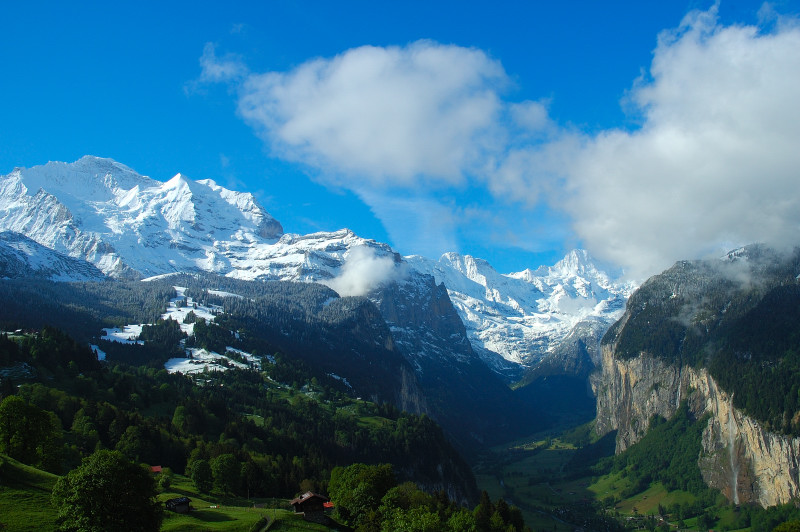
Wengen is a car-free mountain village in the municipality of Lauterbrunnen, in the canton of Bern of Switzerland. Perched above the Lauterbrunnen Valley, it is a long-established tourist resort that serves as a base for visitors exploring the high peaks of the Jungfrau region. The settlement retains a compact, pedestrian character with family-run hotels, chalets and alpine meadows that open to panoramic views of the Eiger, Mönch and Jungfrau peaks.
Image gallery
10 Images


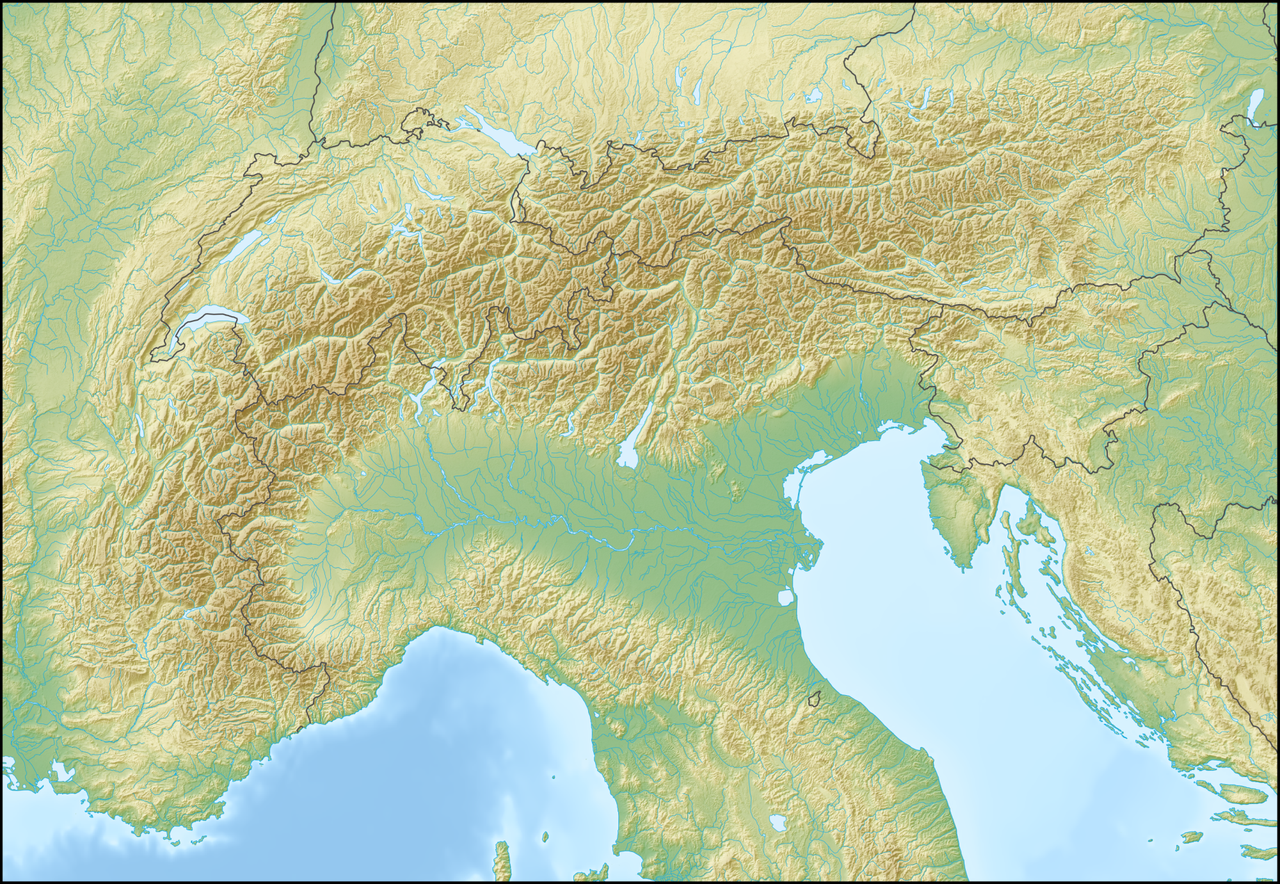


Location and access
Wengen is accessible by rail rather than road: a mountain railway connects it to Lauterbrunnen in the valley below, and other mountain lines link the village with nearby passes and stations such as Kleine Scheidegg. The local railway network and a system of cable lifts and hiking trails allow year-round access to higher alpine destinations and glacier viewpoints without needing personal vehicles.
History and development
The village developed as part of 19th-century Alpine tourism when mountaineering and leisure travel brought visitors to the Bernese Oberland. Early hotels and transport improvements shaped Wengen into a seasonal resort. Over time, infrastructure adapted to serve both winter sports and summer recreation while preserving a largely pedestrian environment.
Activities and attractions
- Skiing and snow sports on slopes that connect to the Männlichen–Kleine Scheidegg area.
- The Lauberhorn downhill, a famous World Cup ski race held nearby each winter.
- Extensive summer hiking and mountain-biking trails linking alpine meadows and ridges.
- Scenic rail journeys and viewpoints offering close-up views of the Jungfrau massif.
Visitors commonly combine short day walks, longer alpine routes and scenic train excursions. Local businesses emphasize hospitality and mountain culture, from traditional wooden chalets to contemporary guest services.
Notable facts and distinctions
Wengen's car-free status is one of its defining features, contributing to quiet streets, pedestrian safety and an emphasis on rail and foot travel. The village functions as a year-round destination: packed with winter sport events and in summer as a gateway to high-alpine scenery. Its location in the Bernese Oberland makes it a convenient base for exploring a wider range of cultural and natural attractions in the Swiss Alps.
Related articles
Author
AlegsaOnline.com Wengen — car-free mountain village in the Bernese Oberland Leandro Alegsa
URL: https://en.alegsaonline.com/art/107272