
Webster (TV series)
American sitcom (1983–1989) about an orphaned African American boy adopted by a white Greek‑American couple in Chicago; family themes, broad comedy, and a move from ABC to first‑run syndication.
Overview
Webster is an American television sitcom that premiered in September 1983 and ran through March 1989. The series originally aired on the ABC network before continuing in first‑run syndication for its final seasons. It was set primarily in Chicago and combined broad comedy with sentimental, family‑centered stories, aimed at a general audience of the 1980s.
Image gallery
2 Images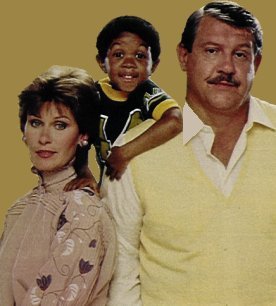

Premise and characters
The show follows Webster Long, a young African American boy who becomes orphaned and is taken in by George and Katherine Papadopolis, a white Greek‑American couple. Webster was portrayed by child actor Emmanuel Lewis, while the adoptive parents were played by Alex Karras and Susan Clark. Episodes typically focus on Webster's adjustment to family life, school, friendships and holidays, and the developing bond between child and adoptive parents. A rotating set of recurring characters and guest performers enriched episode plots and situational humor.
Format and production
Webster was produced as a half‑hour situation comedy and used many conventions common to network sitcoms of the era, including a multi‑scene structure and a tone that balanced comic set pieces with emotional resolutions. Storylines were generally self‑contained, allowing episodes to be shown out of production order in syndication. The series relied on accessible themes—parenting, belonging, identity—and frequent visual and verbal comedy suitable for family viewing.
Broadcast history and syndication
The program aired on ABC from its debut in 1983 until the network run ended in 1987; it then continued in first‑run syndication until 1989. The move to syndication was part of a broader 1980s pattern in which successful series extended their lifespans by shifting from network schedules to independently sold local broadcasts. For episode lists and production notes see series overviews and for cast credits consult cast resources.
Reception and cultural impact
During its run Webster made its young lead a recognizable television figure and drew attention for foregrounding adoption and an interracial, adoptive family in mainstream prime‑time comedy. Viewers praised the show's warmth and family messages, while some critics found its sentimentality uneven with the comic material. Regardless, the series contributed to broader 1980s conversations about family diversity on screen and remains a reference point in discussions of child stardom and family sitcoms. For critical perspectives and historical commentary see essays and broadcast histories at critical essays and media archives.
Availability and further resources
Episode guides, cast biographies, and retrospective articles can be found through television reference sites and entertainment indexes. Information on home video releases, streaming availability, and retrospective interviews is commonly collected in general entertainment databases; for further reading consult entertainment indexes. These resources provide episode synopses, cast lists and notes on the show's production and later cultural reception.
Related articles
Author
AlegsaOnline.com Webster (TV series) Leandro Alegsa
URL: https://en.alegsaonline.com/art/107095