
Waterloo, Iowa: Overview, History, and Local Features
Comprehensive profile of Waterloo, Iowa: geography, government, history, economy, education, cultural attractions and notable distinctions in the Waterloo–Cedar Falls region.
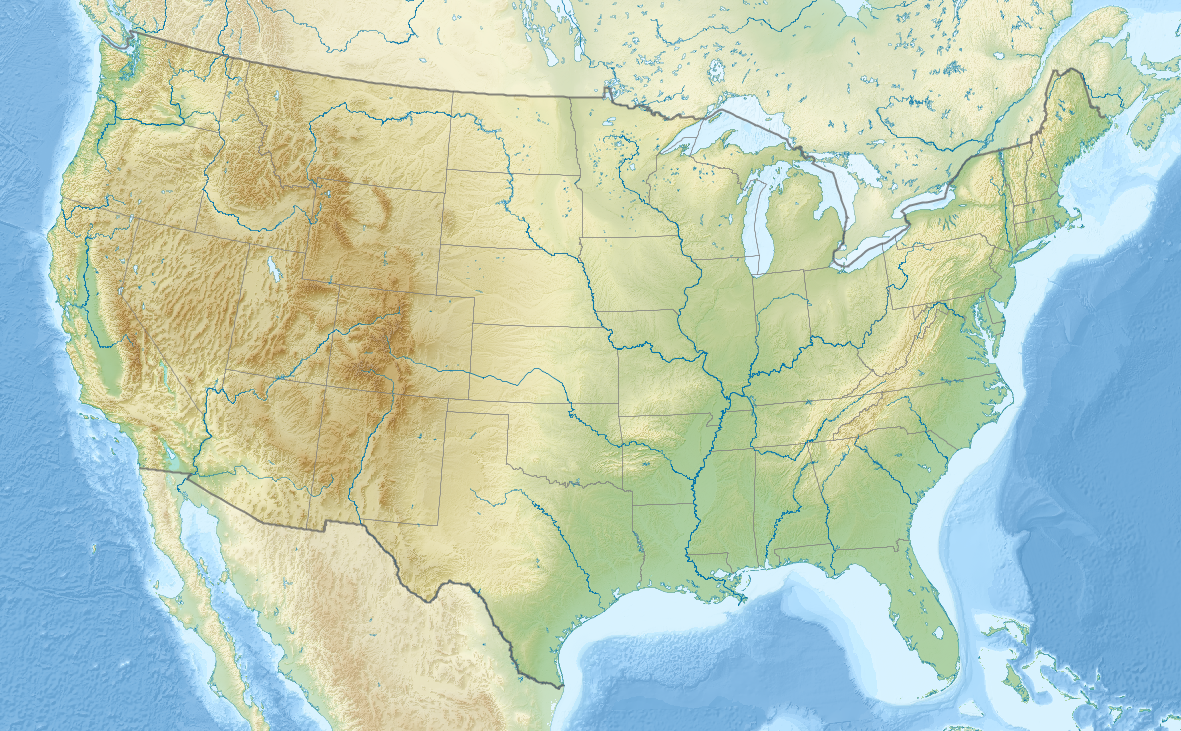
Waterloo is a city in the northeastern corner of the U.S. state commonly known as the state of Iowa. It forms a twin-city region with nearby Cedar Falls, together often called the Waterloo–Cedar Falls metropolitan area or the Cedar Valley. Waterloo serves as the administrative center and county seat of Black Hawk County, and the region is home to several higher-education and cultural institutions, including the University of Northern Iowa.
Image gallery
10 Images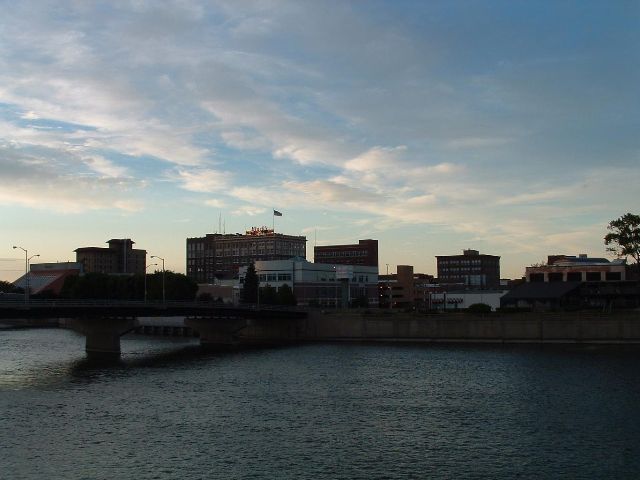


Geography and civic role
The city sits on the Cedar River and occupies an important position within northeastern Iowa. As a regional hub it supports government services, healthcare, and commerce for the surrounding rural counties. Local government oversees municipal utilities, parks, and community development while cooperating with neighboring Cedar Falls on shared planning and infrastructure.
History and development
Waterloo grew in the 19th and early 20th centuries as transportation and industry expanded across the Midwest. Its development reflects common Midwestern patterns: river access, rail connections, and a mix of manufacturing and agricultural service businesses. The origin of the city's name is often connected in popular accounts to historic events, and like many American towns it changed as waves of industry and immigration reshaped the workforce.
Economy, education, and institutions
The local economy combines manufacturing, agribusiness support, retail, and professional services. Education and research are significant: the area's colleges and technical institutes attract students and provide workforce training. Health care systems and regional employers provide a base of professional jobs while smaller firms and startups contribute to diversification.
Culture, attractions, and events
Waterloo and its twin city offer museums, parks, performing arts venues, and community festivals. Notable places and events include:
- regional museums and historical collections
- public parks and riverfront trails
- annual fairs and agricultural exhibitions
- arts centers, theaters, and local music venues
Notable facts and distinctions
Visitors and residents alike note Waterloo's role as a county seat, its connection to the Cedar River corridor, and its participation in a dual-city metropolitan identity with Cedar Falls. For more local information see municipal resources and regional guides such as Waterloo resources and educational portals. Additional regional links and guides can be found through local government and university pages about Cedar Valley and county services for Black Hawk County.
For practical planning, the city is served by regional highways, public transit options, and a small commercial airport, making it accessible for commerce and tourism. Researchers and visitors often consult university, municipal, and chamber of commerce materials for current statistics and event schedules.
Related articles
Author
AlegsaOnline.com Waterloo, Iowa: Overview, History, and Local Features Leandro Alegsa
URL: https://en.alegsaonline.com/art/106848