
Wasseiges (municipality in Liège, Belgium)
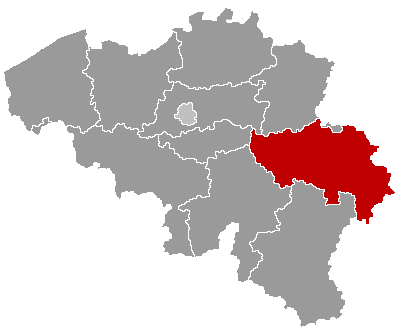
Wasseiges is a small Walloon municipality in the province of Liège, Belgium. Rural in character, it had about 2,580 residents in 2007 and lies near 50°37′N, 5°00′E.
Overview
Wasseiges is a municipality in the French‑speaking region of Wallonia, in the Belgian province of Liège. It is one of the many small local communes that make up the province and serves as a base for local administration, community life and rural economy. General information about the municipality can be found on its official or municipal pages (official municipal site).
Image gallery
2 Images
Geography and population
Wasseiges lies at approximately 50°37′ North, 5°00′ East. The municipality has a predominantly rural landscape of fields, small woodlands and villages. As of 2007 the recorded population was 2,580. Its size and population density are typical for small Walloon municipalities, with a mix of residential homes, farms and local services serving nearby residents.
History and heritage
The area around Wasseiges shares the broader historical development of the province of Liège: medieval settlement, local parish organisation, and later integration into the modern Belgian state. Local built heritage often includes a parish church, farmhouses and small heritage sites that reflect regional architectural traditions. For regional context about Wallonia and its municipalities see general information about Belgian regions (Wallonia and regions).
Local government, economy and services
As a municipality, Wasseiges is responsible for local services such as civil registration, local roads, primary schooling arrangements and community events. The local economy is primarily agricultural and service‑oriented, with small businesses and trades supporting residents. Rural municipalities like Wasseiges also participate in intercommunal cooperation for larger infrastructure and social services.
Practical information and points of interest
Visitors and residents can expect a quiet, village‑scale environment with occasional cultural or communal events and small local attractions. For tourism and visitor details, local calendars or promotional pages provide up‑to‑date information (local tourism and visitor information). Wasseiges illustrates the character of many small Belgian communes: historically rooted, administratively local, and oriented around agricultural and community life.
Related articles
Author
AlegsaOnline.com Wasseiges (municipality in Liège, Belgium) Leandro Alegsa
URL: https://en.alegsaonline.com/art/106746
Sources
- statbel.fgov.be : Population per municipality as of 1 January 2016
- statbel.fgov.be : Werkelijke bevolking per gemeente op 1 januari 2007 / Population de droit par commune au 1 janvier 2007 (.xls)
- statbel.fgov.be : Geografische coördinaten van de gemeenten (.xls)