
Washington Square Park (Chicago)
A small, historic public park in Chicago known as Bughouse Square, famed for open‑air debates, free‑speech gatherings and an annual re‑creation of its soapbox tradition.
Overview
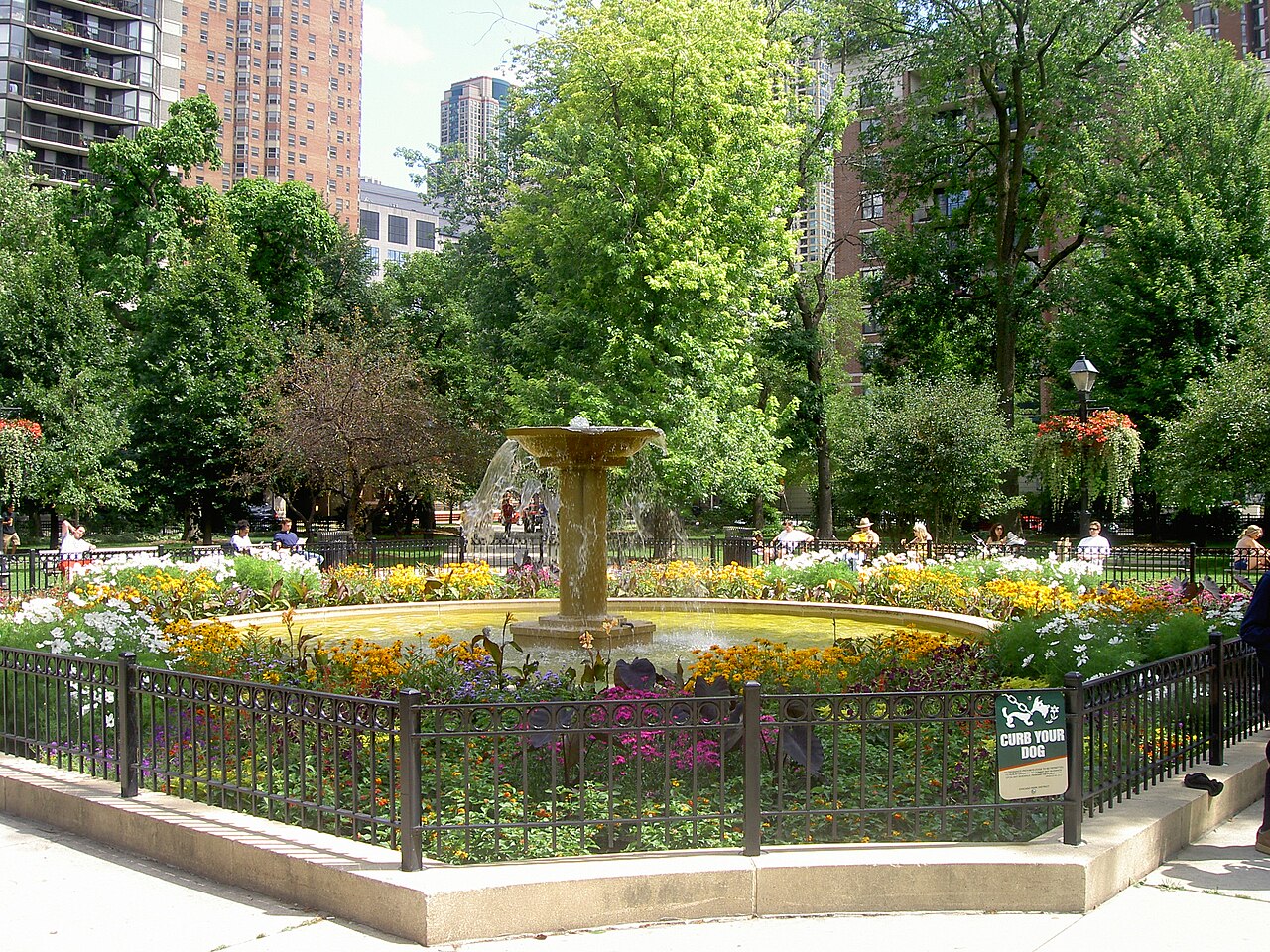
Washington Square Park, commonly called Bughouse Square, is a small public park on Chicago's Near North Side that has been an important neighborhood green space and civic forum for generations. The park is widely recognized for its association with free‑speech activity and open‑air oratory; its informal soapbox debates earned the site a reputation as a lively meeting place for political, religious and literary speakers.
Image gallery
5 Images


History and nickname
Established in the 19th century as part of the city's system of public squares, the park gained national attention in the late 19th and early 20th centuries when itinerant speakers, activists and entertainers gathered there. The nickname "Bughouse Square" emerged as popular slang: "bughouse" was a colloquial term for an asylum or for eccentric behavior, a label applied by critics to the park's often raucous and unpredictable debates. Over time the name became part of local lore rather than an insult.
Characteristics and layout
Though modest in size, Washington Square Park contains mature shade trees, paved paths, benches and open lawn areas that facilitate small crowds and passing audiences. Its scale and central location make it well suited to spontaneous conversations as well as organized programs. The park's character is defined more by social activity than monumental architecture.
Uses, traditions, and events
The park's most famous role has been as a forum for public speech. Speakers historically ranged across the political and ideological spectrum, attracting listeners with debates, lectures and performances. In modern times this tradition is celebrated with periodic events that re‑enact or honor the soapbox era, including the annual Bughouse Square Debates sponsored by local cultural institutions. The space is also used for neighborhood gatherings, readings and quiet recreation.
Preservation and significance
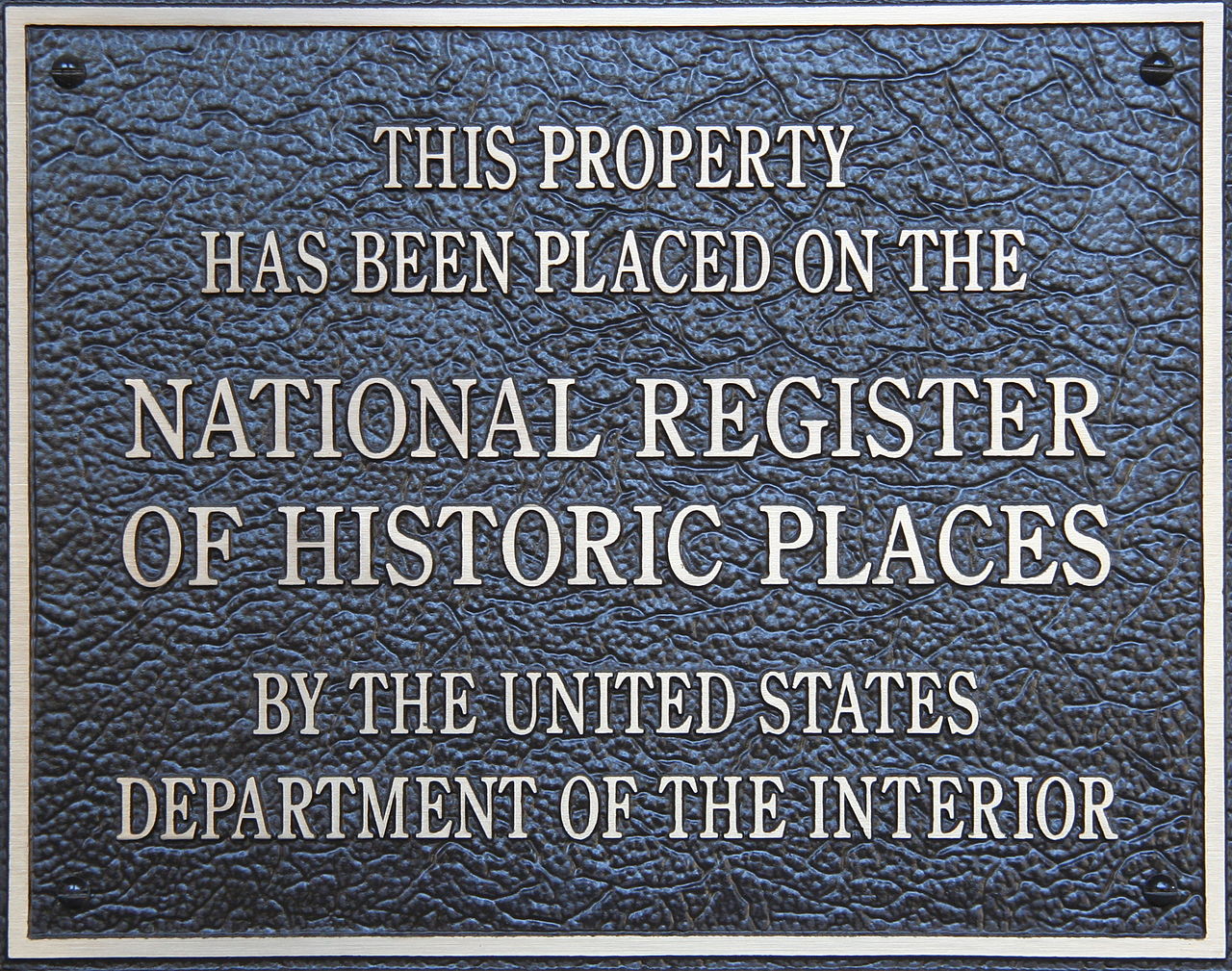
Washington Square Park is protected and recognized for its cultural and historic value. Designation as a registered historic landmark reflects its importance in the civic life of Chicago and the broader history of public discourse in American cities. Local preservation efforts focus on maintaining its green setting while honoring the park's intangible legacy as a place of free expression.
Notable facts
- Nickname: "Bughouse Square"—a colorful local name tied to the park's soapbox culture.
- Role: Longstanding venue for public speaking, debate and community events.
- Scale: Small urban park valued for intimacy and accessibility rather than grand monuments.
Together, these aspects make Washington Square Park a distinctive corner of Chicago where history, civic engagement and neighborhood life intersect.
Related articles
Author
AlegsaOnline.com Washington Square Park (Chicago) Leandro Alegsa
URL: https://en.alegsaonline.com/art/106723