
Washington County, Illinois
Washington County is a largely rural county in southern Illinois with Nashville as its seat. It is known for agriculture, small towns, local government services, and community institutions supporting a dispersed population.

Overview
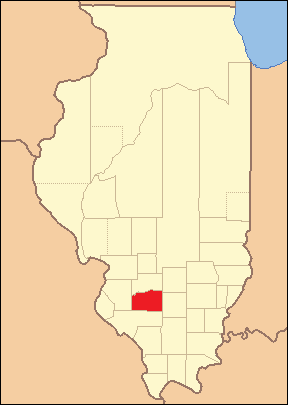
Washington County is a county in the southern portion of Illinois. It is predominantly rural, with a landscape of farms, small towns and wooded stream valleys. According to the 2010 census, the county had 14,716 residents. The county seat and principal service center is Nashville, where the courthouse and many county offices are located; further administrative information can be found through the county government portal at county resources.
Image gallery
6 Images


Geography and land use
The county's terrain consists of rolling uplands, fertile fields and local drainage ways. Agriculture is the dominant land use, with crop farming and livestock operations shaping the local economy. Small woodlots and riparian corridors provide habitat for wildlife and opportunities for outdoor recreation such as hunting, hiking and fishing.
History and name
Like many Midwestern counties, Washington County was established in the early 19th century and was named in honor of George Washington. Its history reflects waves of settlement, the development of towns around crossroads and rail stops, and an evolution from pioneer subsistence farming toward more specialized and mechanized agriculture.
Government, services and economy
County government administers courts, public records, road maintenance and law enforcement; local services are provided through town governments and volunteer organizations. The economy is anchored by agriculture, with supplemental employment in small manufacturing, retail, healthcare and public services. Education is supplied by local school districts and regional community colleges serving southern Illinois.
Communities and culture
- Nashville — county seat and principal town providing courts, medical clinics and shops.
- Numerous smaller towns, villages and unincorporated communities that maintain local schools, churches and civic groups.
- Community activities include county fairs, seasonal festivals, volunteer fire departments and historical-society programs.
Transportation is dominated by state and county highways that link residents to nearby regional markets. For maps, demographic updates and official notices consult county offices or state publications; historical records are often held by local historical societies and archives for those researching family or local history. Additional administrative details and public records may be available through official county links and resources at county seat information.
Related articles
Author
AlegsaOnline.com Washington County, Illinois Leandro Alegsa
URL: https://en.alegsaonline.com/art/106677