
Warrenton, Virginia
Warrenton is a small historic town in Fauquier County, Virginia, known as the county seat with a preserved downtown, agricultural and equestrian ties, and a mix of local government, retail and tourism activity.
Warrenton is a town in the United States located in the Commonwealth of Virginia. It serves as the county seat of Fauquier County and functions as a local center for government, commerce and services for the surrounding rural area. According to official counts the population was 9,611 at the 2010 census, up from 6,670 in 2000, and an estimate in 2015 placed it at about 9,897. Town, U.S. state and Virginia are frequently referenced in demographic and civic descriptions; the 2010 figure is recorded in the 2010 census data and the community is identified officially as the county seat of Fauquier County.
Image gallery
10 Images


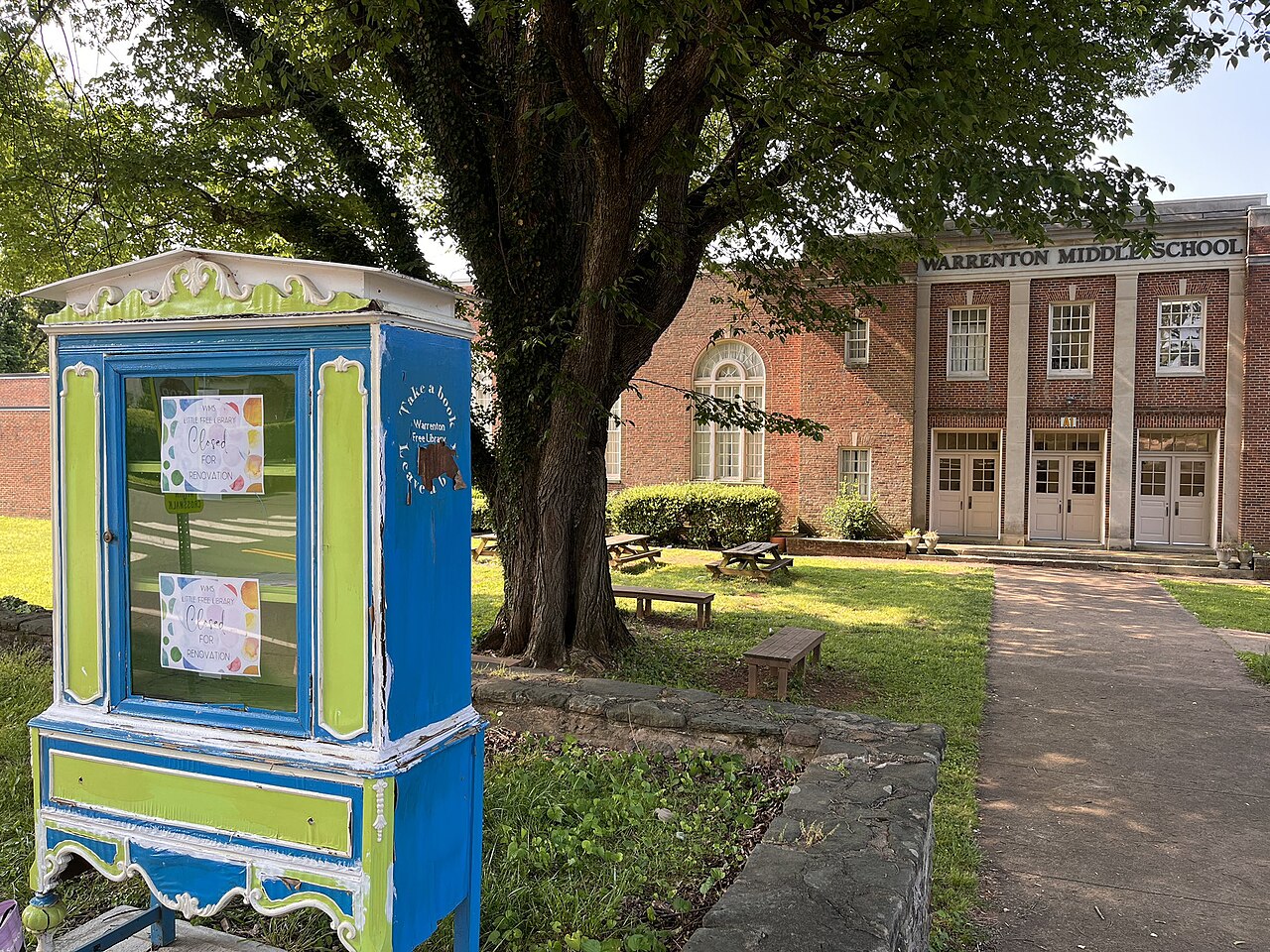


Setting and character
Warrenton sits within a predominantly rural and rolling-piedmont landscape. The town retains a well-preserved historic downtown with commercial streets, governmental buildings and period architecture that reflect its role as a long-standing market and administrative center. Surrounding land use includes farms, vineyards, and properties dedicated to equestrian activities—features that shape local identity and attract visitors.
History and development
Warrenton developed over centuries as a crossroads and county hub. Its growth has been influenced by agriculture, transportation routes, and the presence of county government institutions. Many of the town's commercial and civic buildings date from the 19th and early 20th centuries, contributing to a sense of historical continuity even as services and retail adapt to modern needs.
Economy, culture and attractions
The town's economy combines public-sector employment, small businesses, retail, restaurants, and tourism tied to historic sites, local wineries and equestrian events. Community festivals, local shops along Main Street and nearby outdoor recreation draw residents and visitors. Its proximity to larger urban areas makes Warrenton both a destination in its own right and a gateway to the surrounding countryside.
Government and demographics
As the county seat, Warrenton hosts county offices, courts and administrative services. Its demographic profile reflects a small-town population with growth over recent decades; planning and infrastructure efforts focus on balancing historic preservation with contemporary development pressures.
Notable facts
- Serves as Fauquier County's administrative center.
- Maintains a historic downtown with period architecture and civic buildings.
- Regionally known for equestrian activities, farms and nearby wineries.
Related articles
Author
AlegsaOnline.com Warrenton, Virginia Leandro Alegsa
URL: https://en.alegsaonline.com/art/106613
Sources
- census.gov : "US Gazetteer files: 2010, 2000, and 1990"
- factfinder2.census.gov : "American FactFinder"
- geonames.usgs.gov : "US Board on Geographic Names"
- factfinder2.census.gov : "Geographic Identifiers: 2010 Demographic Profile Data (G001): Warrenton town, Virginia"
- census.gov : "Annual Estimates of the Resident Population for Incorporated Places: April 1, 2010 to July 1, 2015"
- naco.org : "Find a County"