
Ware, Massachusetts
Ware is a town in Hampshire County, Massachusetts, United States. Historically a New England mill town, it recorded a population of 9,872 at the 2010 census and today mixes residential, commercial, and recreational life.
Overview
Ware is a town in Hampshire County, in the state of Massachusetts, United States. According to the 2010 census, the town had a population of 9,872. Located in western Massachusetts, Ware functions as a small regional center for surrounding rural communities and retains features of a classic New England town.
Image gallery
5 Images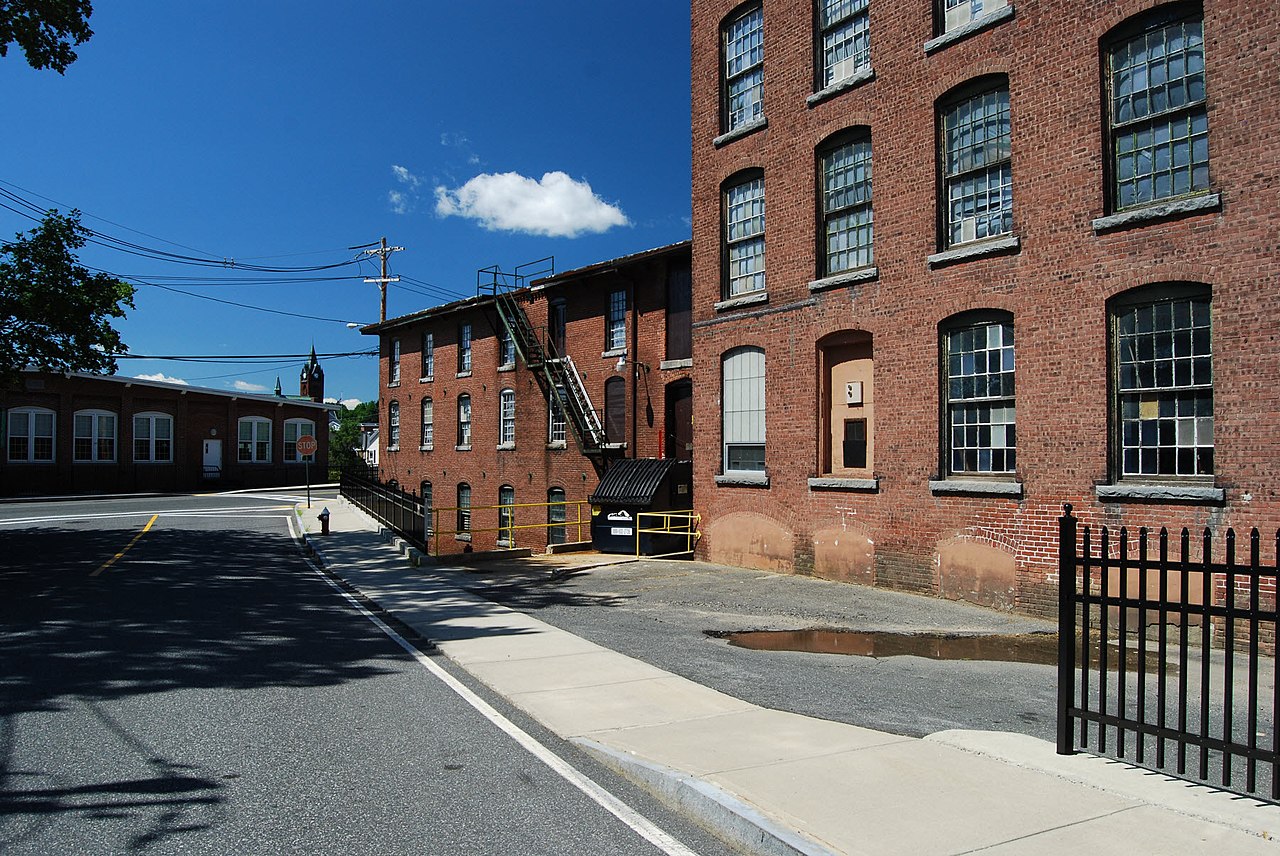


Geography and transportation
The town sits amid rolling hills and river valleys typical of the region, with river corridors that historically supported industry. Ware’s landscape includes residential neighborhoods, open spaces and village-style downtown streets. Local and regional roads connect the town to nearby cities, and the area is served by a mix of personal vehicles and regional bus routes for commuting and services.
History and economy
Ware grew in the 19th century as part of New England’s mill economy, with textile and other water-powered mills sited along rivers. Over time the industrial base diversified and some mill buildings have been repurposed for housing, small manufacturing and offices. Today the town’s economy blends small businesses, light industry, professional services and agriculture in the surrounding countryside.
Government, education and services
Municipal government follows the town form typical in Massachusetts, providing public safety, planning, and community services. Public schools serve children from elementary through secondary levels, and the town cooperates with regional institutions for some services. Libraries, community centers and volunteer organizations play active roles in civic life.
Culture, recreation and landmarks
Ware maintains a historic downtown with civic buildings, traditional architecture and community events that reflect local heritage. Outdoor recreation is available in parks and along river corridors, with opportunities for walking, fishing and seasonal activities. Historic mill complexes, local churches and small museums contribute to the town’s identity and attract visitors from the region.
Notable facts and distinctions
- Ware represents a common New England story of river-powered industrial growth and later economic transition.
- Adaptive reuse of old mill buildings is part of the town’s recent development strategy.
- Community affairs are often organized around town meetings, local festivals and volunteer groups.
Related articles
Author
AlegsaOnline.com Ware, Massachusetts Leandro Alegsa
URL: https://en.alegsaonline.com/art/106528
Sources
- factfinder2.census.gov : "American FactFinder"