
WALL-E (2008 film)
WALL-E is a 2008 animated science-fiction film from Pixar and Disney about a lone waste-collecting robot whose journey into space explores environmental decline, technology, and human habits.
Overview
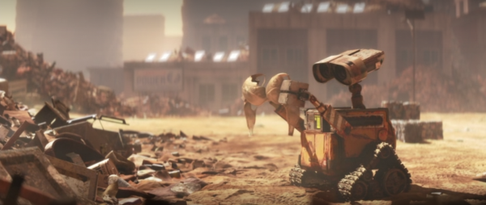
WALL-E is a 2008 animated feature produced by Pixar Animation Studios and released by Walt Disney Studios Motion Pictures. Directed by Andrew Stanton, the film centers on a small waste-compacting robot left to clean an abandoned, polluted Earth. Much of the story unfolds through visual storytelling, expressive animation and sound design rather than extended spoken dialogue.
Image gallery
5 Images



Setting and plot essentials
The title character, Waste Allocation Load Lifter: Earth-Class (WALL-E), spends decades compacting trash and collecting curiosities until the arrival of an advanced probe robot, EVE. A brief, wordless courtship leads WALL-E off planet and onto the starliner Axiom, where humans live in passive comfort under automated systems. The narrative moves from intimate vignettes of machine companionship to a broader account of environmental neglect, consumerism and the consequences of surrendering bodily activity to convenience.
Themes and style
WALL-E explores loneliness, stewardship of the environment, and the relationship between people and technology. Its style combines comedy and tenderness, relying on framing, timing and a carefully designed soundscape. Sound designer Ben Burtt and voice contributors created much of the robots' expressive vocalizations. The musical score also plays a key role in shaping emotional beats and pacing.
Production, release and reception
Produced at Pixar, with a creative team led by Stanton, the film was released on June 27, 2008 and received wide critical praise for its ambition, visual design and emotional impact. It won the Academy Award for Best Animated Feature and earned several major nominations, and it proved a commercial success that helped expand expectations for animated storytelling aimed at both children and adults. Distribution and marketing were handled in coordination with Walt Disney Pictures and related studio channels.
Legacy and notable points
- WALL-E is frequently cited for its minimal dialogue and powerful visual narrative.
- The film brought environmental themes into mainstream animation without reducing them to didacticism.
- Its achievements in sound and animation continue to be referenced in discussions of contemporary animated cinema; for official production notes see studio resources.
Related articles
Author
AlegsaOnline.com WALL-E (2008 film) Leandro Alegsa
URL: https://en.alegsaonline.com/art/106264
Sources
- variety.com : "Information from Variety for the producer Jim Morris and the movie's release date"