
Wakayama (city)
Wakayama is the capital city of Wakayama Prefecture in Japan's Kansai region. A historic castle town and modern administrative center, it is known for its coastal setting, cultural sites and role as a regional hub.
Overview: Wakayama is a coastal city on the island of Honshu that serves as the seat of government for Wakayama Prefecture. Located in the Kansai region, it combines historical landmarks with contemporary urban functions and acts as a local center for administration, education and commerce in Japan.
Geography and environment: The city sits on the Kii Peninsula and faces the Kii Channel, where the warm currents of the Pacific help moderate temperatures. Its setting includes low-lying coastal districts, river valleys and rising terrain toward the inland mountains, giving a mix of maritime and inland influences on local life and economy.
History and development: Wakayama grew up around a feudal castle and the domain of the Kishū Tokugawa family, which shaped the cityscape and cultural institutions. Over successive eras the settlement evolved from a castle town into a modern municipal center. It was designated a core city in 1997, granting greater administrative autonomy within the national system.
Image gallery
7 Images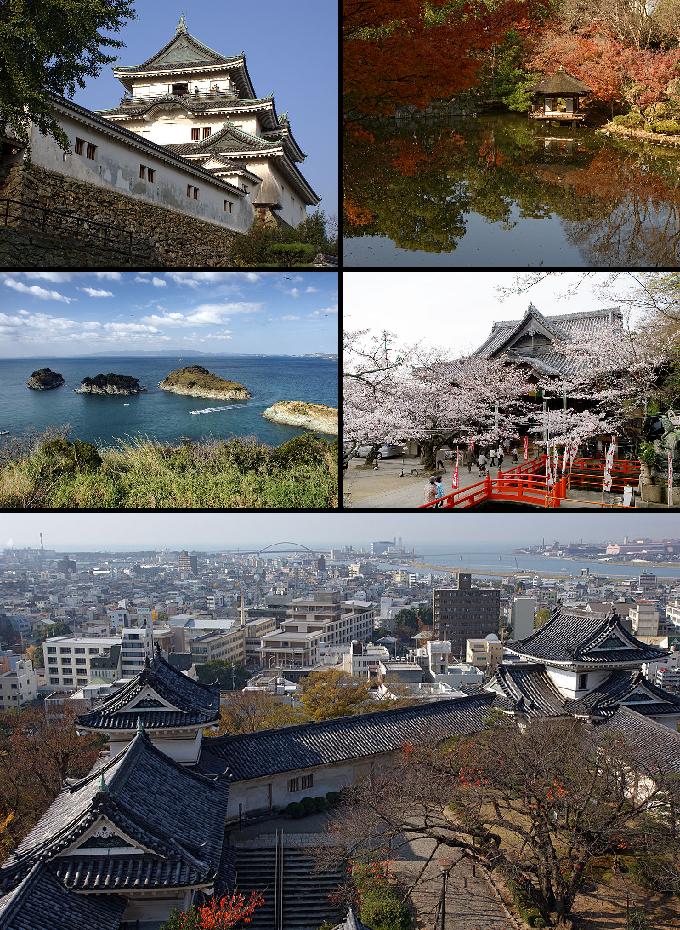


Main attractions
- Wakayama Castle and its parkland, a focal point for visitors and local events.
- Marina City and the Kuroshio Market area, known for seafood and coastal leisure.
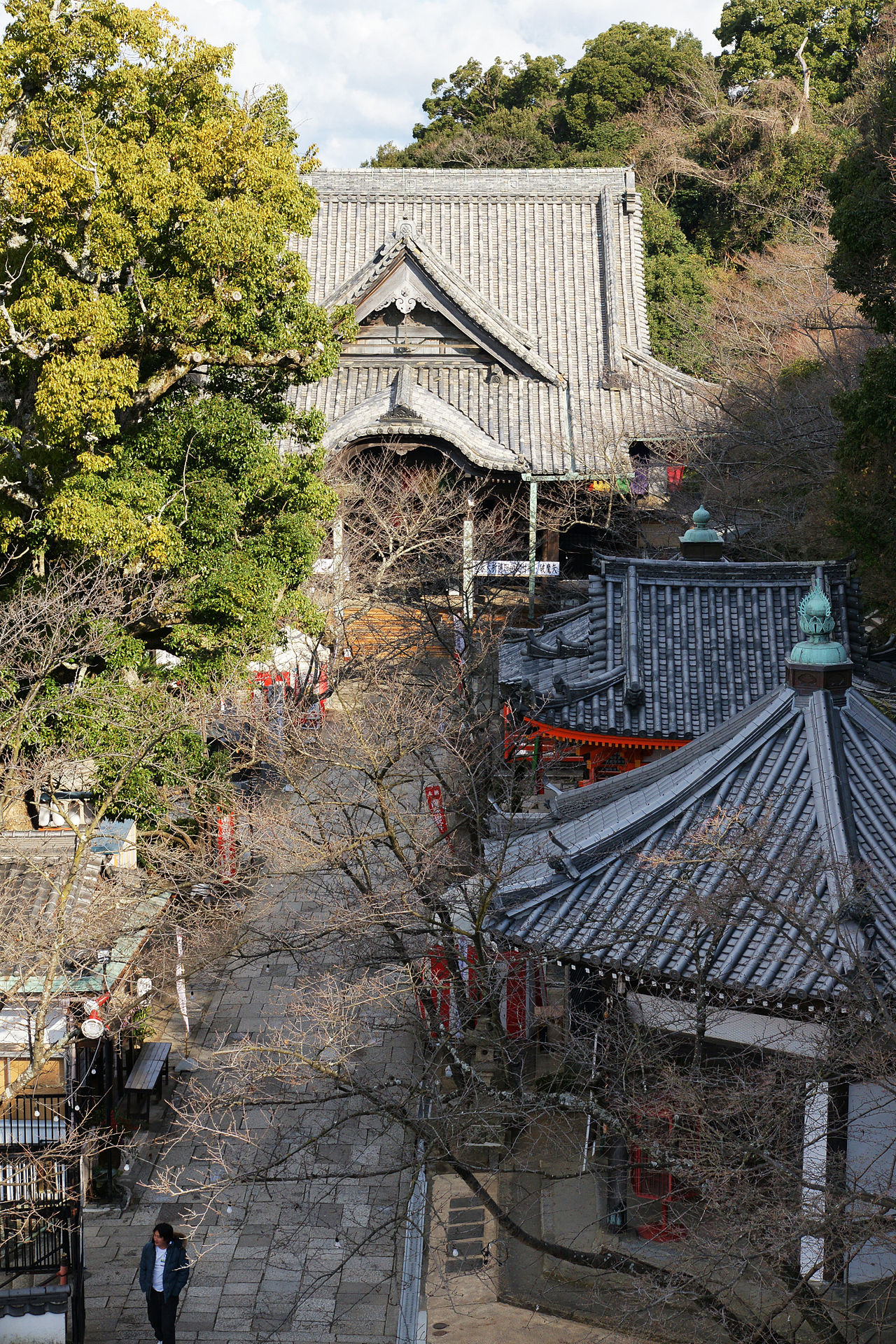
- Temples and shrines that reflect regional history and religious traditions.
- Riverside and coastal promenades favored for walking and seasonal festivals.
Economy and transportation: The city's economy blends public administration, local manufacturing, fishing and service industries. Agriculture in the surrounding prefecture—fruit cultivation and processing—is important to markets here. Wakayama is connected by rail and road to the Osaka metropolitan area and other parts of Kansai, and its port links maritime commerce to nearby islands and coastal routes.
Culture and civic role: Local cultural life includes museums, performing arts venues and community festivals that maintain traditional crafts and cuisine, including well-known regional foods. As the prefectural capital, Wakayama houses government offices, educational institutions and facilities that support the wider prefecture and contribute to its identity within the region.
For more detailed guides to travel, administration and history see resources and official city materials: city information, regional introductions at Kansai portals and prefectural outlines at Wakayama Prefecture pages, or specialized cultural surveys at national and local references.
Related articles
Author
AlegsaOnline.com Wakayama (city) Leandro Alegsa
URL: https://en.alegsaonline.com/art/106171
Sources
- books.google.com : "Wakayama"
- books.google.com : "Kansai"
- hindawi.com : "Japan's Evolving Nested Municipal Hierarchy: The Race for Local Power in the 2000s,"