
Walcott, Iowa
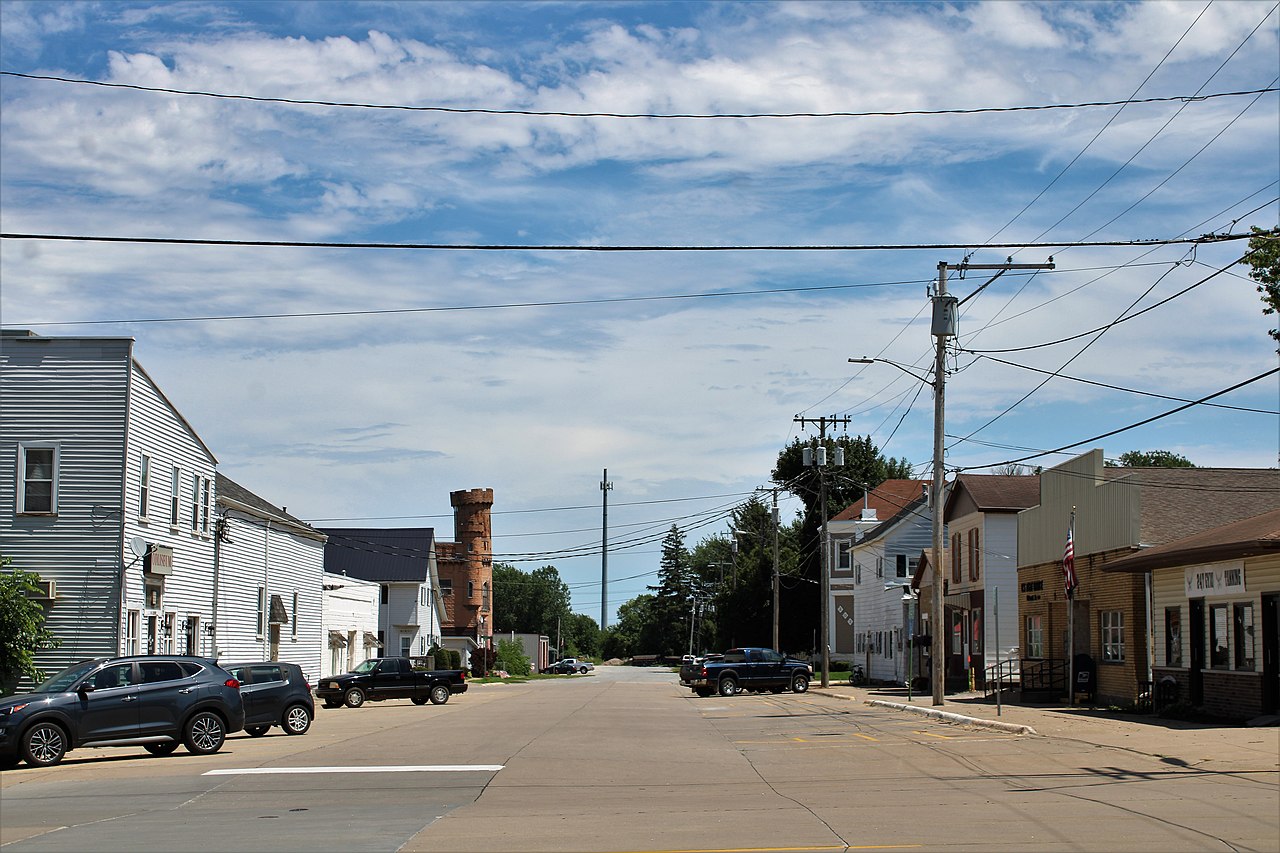
Walcott is a small city in Scott County, Iowa, known for its roadside services on Interstate 80 and the Iowa 80 Truckstop. It is a residential and commercial community within the Quad Cities region.
Overview
Walcott is a small city in eastern Iowa within the broader Davenport–Moline–Rock Island (Quad Cities) area of the United States. It functions as both a local residential community and a convenient stop for travelers on a major east–west corridor. The town combines quiet neighborhoods, small businesses and services that cater to highway traffic.
Image gallery
5 Images


History and development
Walcott developed in the 19th century as settlement expanded across Iowa and transportation networks—first railroads, later highways—shaped local economies. Over time the community grew from farming roots into a modestly sized town whose growth has been influenced by its proximity to larger urban centers and major roads. Historic features include early civic buildings and locally significant architecture from successive decades.
Economy and landmarks
The local economy mixes agriculture, light industry, retail and highway-oriented commerce. A widely recognized landmark near Walcott is the large truck stop complex along Interstate 80, a regional magnet for professional drivers and travelers. The town also supports automotive services, restaurants and lodging that serve pass-through traffic as well as residents.
Community life and services
Residents rely on neighborhood schools, municipal services and recreational spaces typical of small Midwestern cities. Community events, volunteer organizations and local parks contribute to civic life. Public services and education are organized through regional arrangements that serve Walcott and nearby towns, allowing access to broader amenities in the Quad Cities.
Transportation and significance
Walcott sits adjacent to Interstate 80 and is near U.S. highways that connect the Midwest to larger metropolitan areas. This location gives it outsized importance as a logistics and travel stop relative to its population. For visitors and researchers interested in highway culture, transportation logistics or small-town Iowa, Walcott provides a clear example of how road networks shape local communities.
Notable facts
- Serves as a highway service hub with fuel, dining and repair services.
- Part of the Quad Cities economic region, influencing commuting and commerce.
- Reflects a common Midwestern pattern: agricultural origins followed by transport-oriented growth.
Related articles
Author
AlegsaOnline.com Walcott, Iowa Leandro Alegsa
URL: https://en.alegsaonline.com/art/106194