
Voždovac — municipality of Belgrade
Voždovac is a southern municipality of Belgrade, Serbia, known for its residential neighborhoods, varied urban landscape, and the name derived from the Serbian word vožd (leader).
Overview
Voždovac is one of the seventeen municipalities that form the administrative area of the City of Belgrade and lies within the national territory of Serbia. Located roughly four to five kilometres south of central Belgrade, it is primarily urban and suburban in character, containing a mix of residential neighbourhoods, commercial zones and local services.
Image gallery
6 Images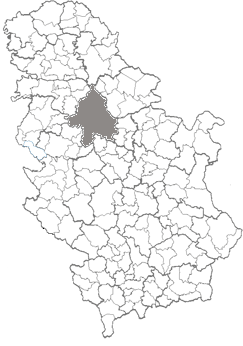



Geography and neighbours
The municipality has an irregular shape and, as a result, touches more neighbouring Belgrade municipalities than any other. Its documented borders meet the following municipal units:
- Vračar to the north
- Zvezdara to the north‑east
- Grocka to the east
- Sopot to the south
- Barajevo to the south‑west
- Čukarica and Rakovica to the west
- Savski Venac to the north‑west
Name and history
The name Voždovac derives from the Serbian word vožd, meaning "leader" or "chieftain"; this title has historical resonance in modern Serbian language and culture. The area became increasingly urbanised during the 20th century as Belgrade expanded southwards, absorbing older villages and new housing developments into the metropolitan fabric.
Infrastructure and economy
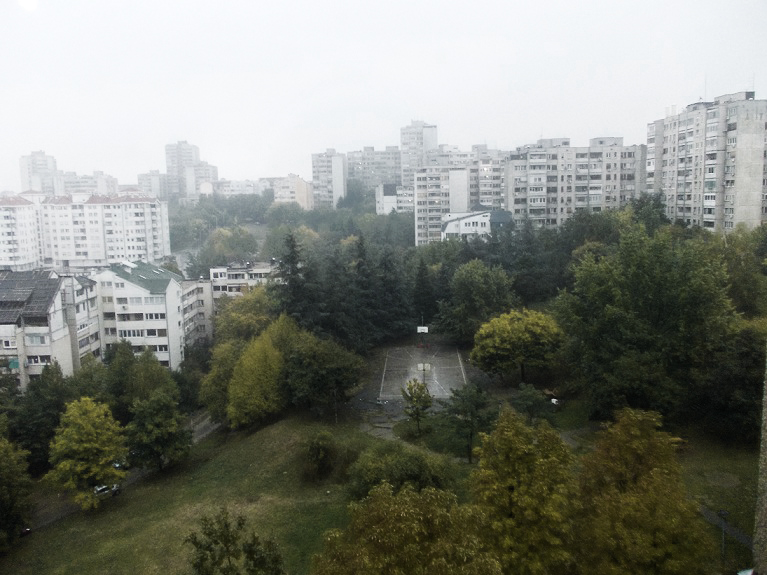
As part of the Belgrade metropolitan area, Voždovac is well connected by public transport and arterial roads to the city centre and surrounding suburbs. The municipality includes a combination of family housing, apartment blocks and local commercial centres; municipal authorities manage schools, healthcare facilities and public utilities at the local level.
Cultural and public life
Voždovac hosts neighbourhoods with active community life, sports clubs, small cultural venues and green spaces serving residents. Local events tend to focus on neighbourhood initiatives, youth sports and community services, reflecting the everyday role of Voždovac as a primarily residential part of Belgrade rather than a major tourist district.
Administrative significance and distinctions
Administratively, Voždovac functions like other Belgrade municipalities: it provides local governance within the broader capital city institutions. Its most notable distinctions are its southerly position close to the city centre and the fact that, due to its shape, it borders a larger number of municipal neighbours than any other unit in Belgrade.
Author
AlegsaOnline.com Voždovac — municipality of Belgrade Leandro Alegsa
URL: https://en.alegsaonline.com/art/105973
Sources
- commons.wikimedia.org : Voždovac
- skgo.org : skgo.org