
Võru County
Võru County is a largely rural region in southeastern Estonia, known for its hilly Haanja landscape, the Võro language and culture, outdoor recreation and Estonia's highest hill, Suur Munamägi.
Võru County is an administrative region in southeastern Estonia with the town of Võru serving as its administrative centre. It is characterised by a dispersed settlement pattern, forests, lakes and rolling uplands. The county combines natural scenery with a distinct local culture that has attracted nature tourism and cultural interest.
Image gallery
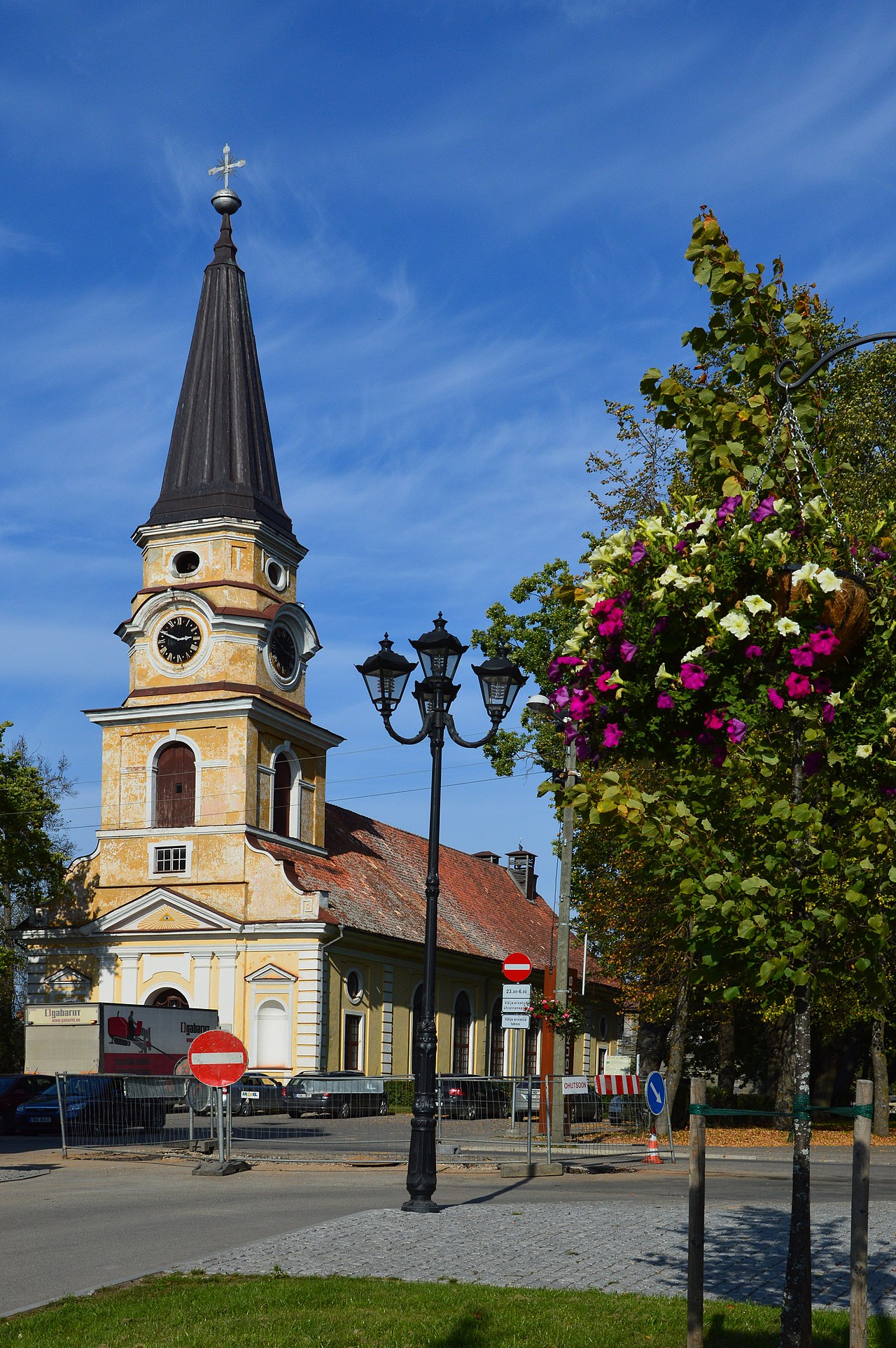
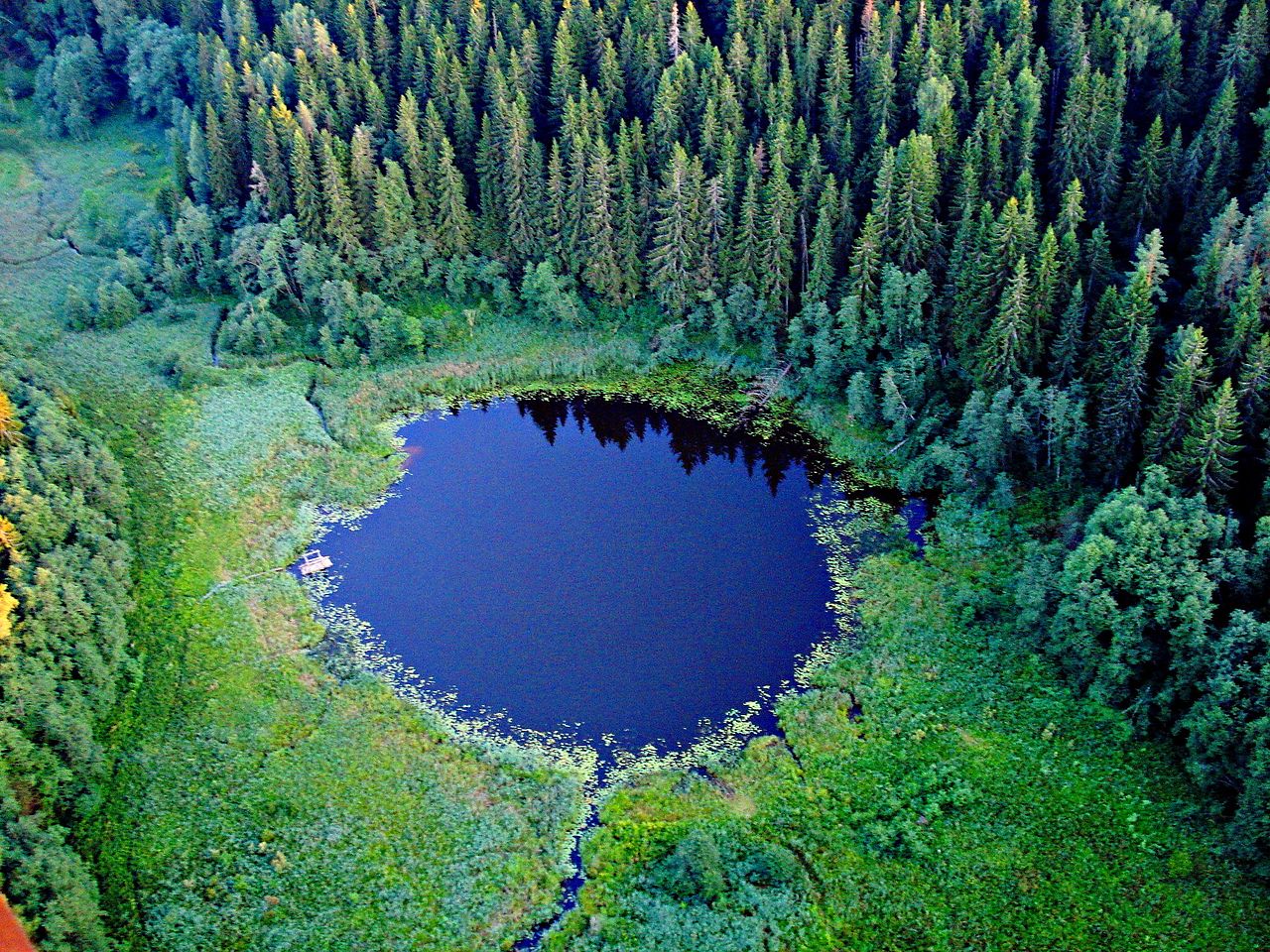
10 Images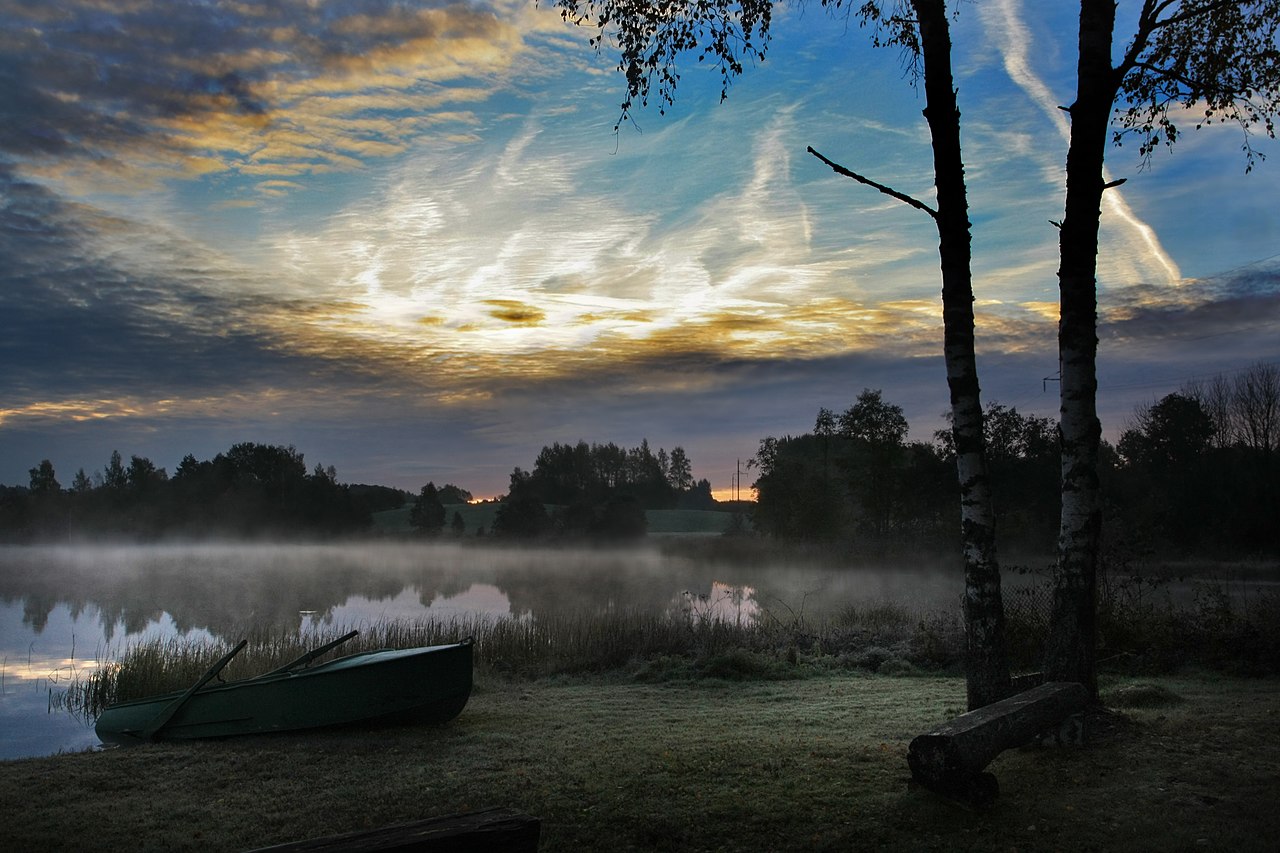




Geography and natural features
The landscape is dominated by the Haanja Upland, a chain of ridges and hills that includes Suur Munamägi, the highest point in Estonia. Woodlands, small lakes and peatlands are common, and protected areas and nature parks conserve local biodiversity. The varied terrain supports hiking, cross-country skiing and small-scale outdoor tourism, especially around scenic lakes and viewpoints.
Culture, language and identity
Võru County is a centre of the Võro cultural region. The Võro language (or dialect) and local customs are important to regional identity; cultural organizations and festivals promote traditional music, handicrafts and oral heritage. Museums and local institutes document Võro history and work to maintain the regional language and traditions.
Administratively the county contains one urban municipality (the town of Võru) and several rural parishes. Local governance focuses on balancing services for scattered communities with preserving rural ways of life. Municipalities collaborate on tourism, infrastructure and cultural programs.
- Notable places: Haanja Nature Park, Suur Munamägi, Lake Tamula and local museums.
- Economy: forestry, agriculture, small enterprises and tourism.
- Activities: hiking, winter sports, cultural festivals and nature excursions.
Historically the area has experienced multiple political changes over centuries, reflected in architecture and land use. Today Võru County is valued for its landscape, living traditions and as a gateway to rural Estonia for visitors and researchers interested in regional languages and ecology.
Related articles
Author
AlegsaOnline.com Võru County Leandro Alegsa
URL: https://en.alegsaonline.com/art/105935
Sources
- f.ell.ee : "Elanike demograafiline jaotus maakonniti"
- tools.wmflabs.org : 57°45′N 26°55′E / 57.750°N 26.917°E / 57.750; 26.917