
Vrancea County (Romania)
Vrancea County, with capital Focşani, is a Romanian county notable for the Vrancea seismic zone, wine production, subcarpathian landscape and a history as a Moldavian–Wallachian border region.
Overview
Vrancea is a county (judeţ) in eastern Romania, with its administrative center at Focşani. The territory lies largely within the historic region of Moldavia, although parts to the south fall outside that traditional boundary. The county combines low hills, foothills of the Carpathians and river valleys, giving it a varied rural and small-town character.
Image gallery
10 Images



Geography and natural features
The landscape of Vrancea includes sub-Carpathian hills and sections of the Curvature Carpathians. Important rivers and tributaries drain the area, and the mixture of elevation and climate supports forests, orchards and vineyards. The region's terrain makes it attractive for outdoor activities such as hiking and rural tourism.
Seismicity
Vrancea is internationally known for the Vrancea seismic zone, a concentration of deep and intermediate-depth earthquakes. These quakes have affected broad areas of Romania and neighboring countries and are a defining factor in local planning, construction practices and emergency preparedness.
History and cultural notes
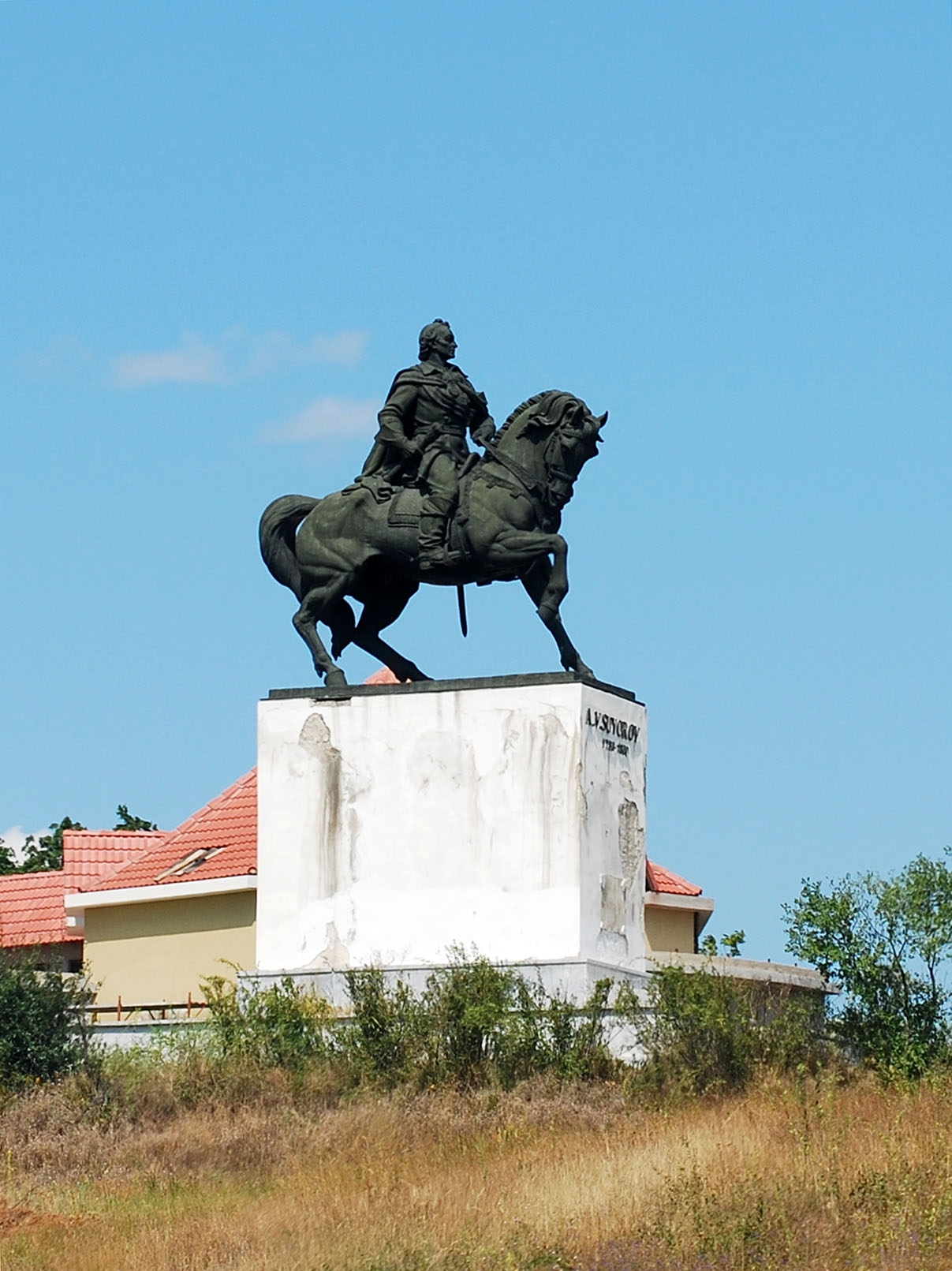
The county occupies a historically important borderland between Moldavia and Wallachia; in earlier centuries parts of the area marked the frontier between the two principalities. Focşani grew as a commercial and administrative center on that frontier. The county also contains sites linked to modern Romanian history, including memorials and cemeteries from the First World War.
Economy and land use
Agriculture is a major element of the local economy: vineyards, orchards and mixed farming are common. Vrancea wines are a recognized local product, produced from both Romanian and international grape varieties. Forestry and small-scale manufacturing in towns complement the rural economy. Transport links connect Focşani to major national roads and railways, supporting trade with other regions.
Administration, tourism and points of interest
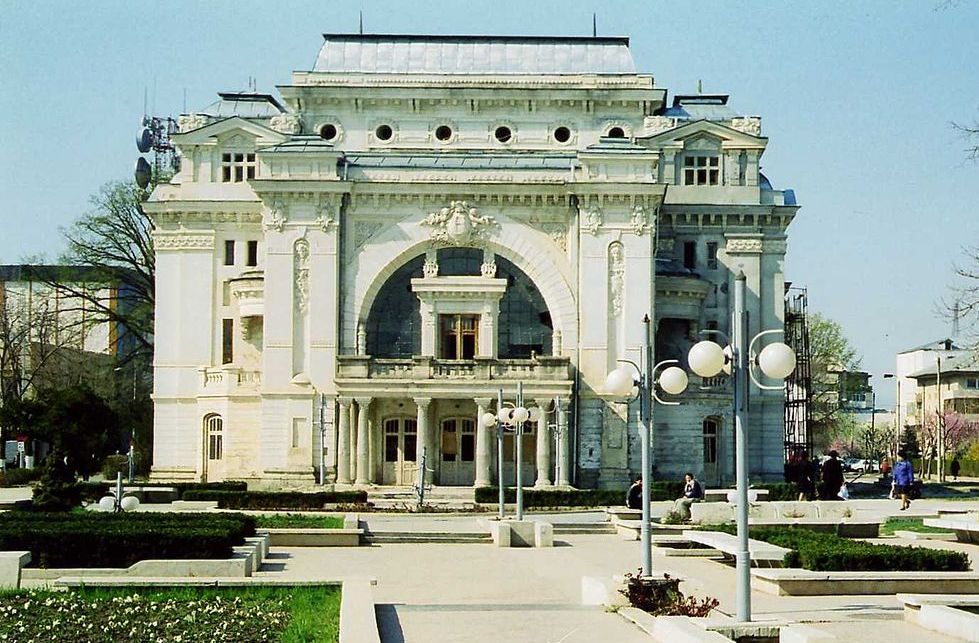
The county is organized administratively into municipalities, towns and communes with Focşani as the county seat. Visitors often come for wine routes, historical monuments, battlefield memorials and the natural scenery of the hills and mountains. Practical information and official services are available through local government offices and regional institutions.
- Notable town: Focşani (administrative center)
- Historical site: First World War memorials
- Distinctive feature: Vrancea seismic zone
- Economic highlights: vineyards, orchards, forestry
For administrative details and regional resources consult official county portals and regional guides that provide practical maps, service contacts and visitor information.
Questions and answers
Q: What is Vrancea County?
A: Vrancea County is a county (judeţ) located in Romania.
Q: What is the capital of Vrancea County?
A: The capital city of Vrancea County is Focşani.
Q: In which historical region is most of Vrancea County situated?
A: Most of Vrancea County is located in the historical region of Moldavia.
Q: Is the entirety of Vrancea County located in Moldavia?
A: No, the southern portion of Vrancea County is not situated in Moldavia.
Q: What is the pronunciation of Vrancea, and what does the IPA symbol mean?
A: Vrancea is pronounced as ['vran.ʧea], and the IPA symbol represents the phonetic transcription of the pronunciation in the International Phonetic Alphabet.
Q: What is the significance of Moldavia in Romanian history?
A: Moldavia is a region of historical significance in Romania, dating back to the 14th century when it was united into a Romanian state.
Q: What are some other counties in Romania?
A: Some other counties in Romania include Cluj County, Timiș County, and Brașov County.
Related articles
Author
AlegsaOnline.com Vrancea County (Romania) Leandro Alegsa
URL: https://en.alegsaonline.com/art/105974