
Volovăţ — commune in Suceava County, Romania
Volovăţ is a rural commune in Suceava County in northeastern Romania, located in the historical region of Bukovina. It is primarily agricultural with local traditions and modest infrastructure.
Volovăţ is a commune in Suceava County, in the northeastern part of Romania. As a local administrative unit it comprises a small group of villages and serves as a rural center for surrounding farmland and forested areas. The settlement reflects the mixed cultural and historical influences of the Bukovina region.
Image gallery
5 Images


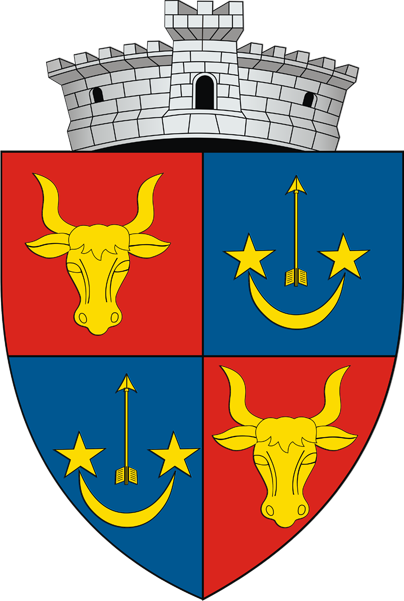

Geography and composition
The commune occupies a landscape of rolling hills and valleys typical of southern Bukovina, with a mix of cultivated fields, pastures and patches of woodland. Local roads link the villages to nearby market towns and to county-level services. The area experiences a continental climate with warm summers and cold winters, supporting a range of agricultural activities.
History and identity
Volovăţ lies within the historical region of Bukovina, which was part of the medieval Principality of Moldavia and later came under Habsburg administration before rejoining Romania in the 20th century. This layered past is visible in local architecture, religious life and place names, and contributes to a regional identity shaped by Romanian, Central European and rural traditions.
Economy and infrastructure
- Predominantly agricultural economy: crop growing, animal husbandry and small-scale farming.
- Local services, trades and family enterprises support daily life; some residents commute to larger towns for work.
- Infrastructure is typical for Romanian communes: primary roads, basic public utilities and community facilities such as schools and churches.
Religious buildings, village halls and local cultural events serve as focal points for communal life. The commune may also feature modest historical monuments and memorials commemorating regional events. Administratively, a mayor and local council manage communal affairs and development projects, often with support from county-level authorities.
For someone researching rural Romania, Volovăţ illustrates common patterns of settlement, economy and heritage in Suceava County and the broader Bukovina area: a small-scale, community-oriented way of life shaped by agriculture, local traditions and historical ties to the region.
Related articles
Author
AlegsaOnline.com Volovăţ — commune in Suceava County, Romania Leandro Alegsa
URL: https://en.alegsaonline.com/art/105879