
Voice-over: spoken narration used across film, television, radio and media
A voice-over is an off-screen spoken performance layered over images or other sound. It provides narration, internal thought, advertising copy, dubbing, and other explanatory or dramatic functions.
Voice-over refers to recorded speech that is played over visual images, background sound, or other audio elements while the speaker remains unseen. It is a versatile storytelling and communication tool used in films, television, radio, commercials, documentaries, video games and online content. By separating the source of the voice from physical on-screen action, voice-over can supply information, mood, commentary or a character's inner life.
Image gallery
3 Images

Characteristics and technique
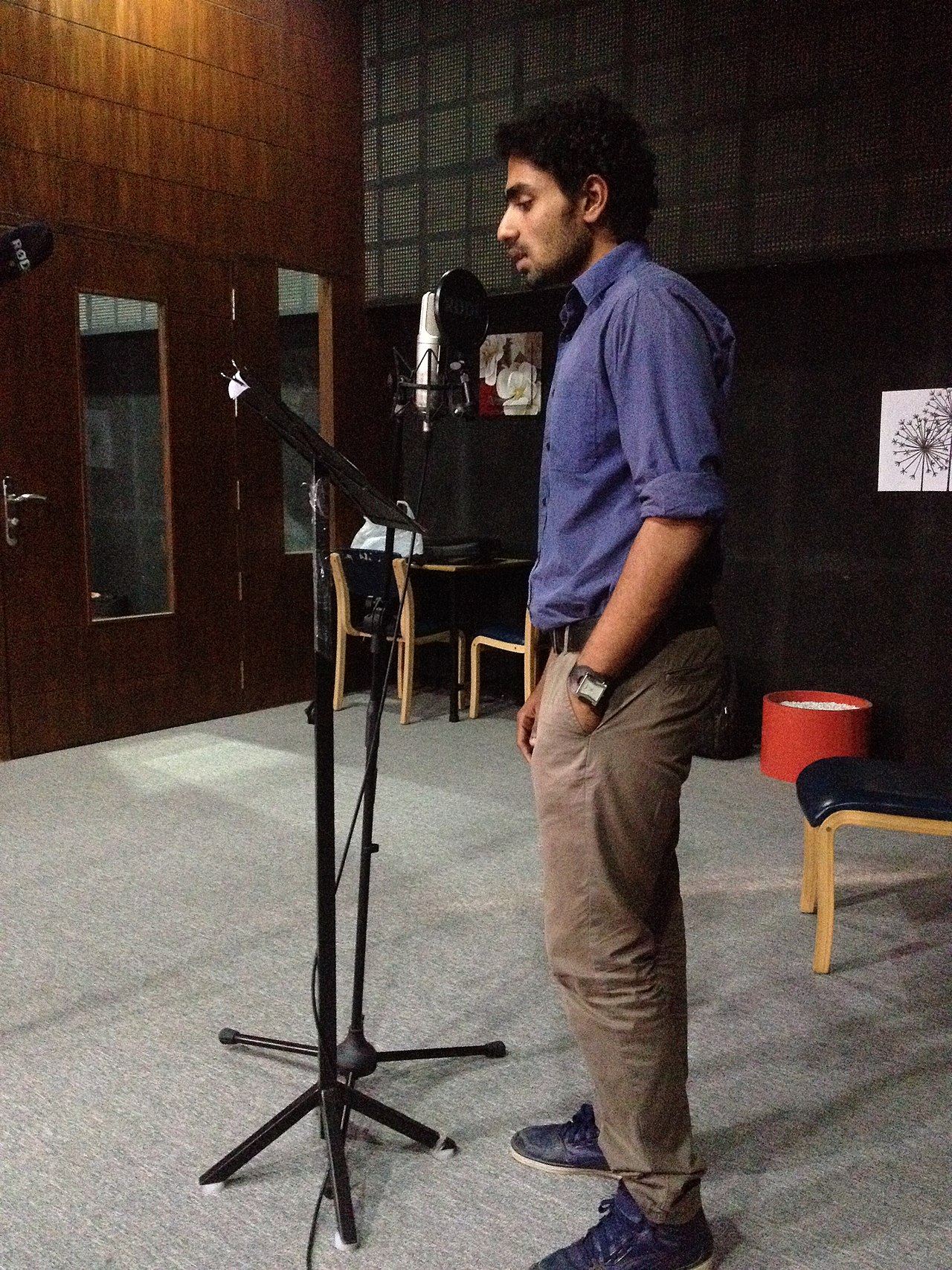
Technically, voice-over is produced in a recording studio and later mixed into the final audio track. Performers use microphone technique, controlled pacing, and tonal variation to match the intended style: conversational, authoritative, intimate, or dramatic. In post-production, editors align timing, reduce noise, and apply equalization or effects to blend the voice with music and sound design.
Common types
- Narrative/Expository: provides background, facts or transitions (common in documentaries and instructional media).
- Interior monologue: represents a character's thoughts, offering subjective perspective.
- Commentary/Voice of God: an authoritative off-screen narrator guiding interpretation.
- Commercial: promotional copy for advertising and branding.
- Dubbing/Localization: replacing original dialogue with speech in another language or to match a different performance.
Each type has distinct casting and directing needs: commercial voice-overs often require a specific brand voice, whereas interior monologue demands intimacy and psychological nuance.
History and development
Voice-over emerged with sound recording technologies and radio drama, then matured in cinema and television as creators sought more flexible storytelling techniques. Over time it became a staple in genres that benefit from added context or contrast between seen and heard perspectives, such as film noir, documentary, and animated works.
Uses, distinctions and notable facts
Voice-over serves many functions: clarifying plot details, conveying unspoken thoughts, providing exposition, and supporting advertising messages. It differs from ordinary dialogue because it is not synchronized to an on-screen speaker, and from commentary tracks because it is integrated into the primary soundtrack. In localization and dubbing, careful adaptation preserves meaning and timing. As media platforms evolve, voice-over remains central to accessibility, branding and immersive storytelling.
Related articles
Author
AlegsaOnline.com Voice-over: spoken narration used across film, television, radio and media Leandro Alegsa
URL: https://en.alegsaonline.com/art/105792