
Vladimir Voinovich (1932–2018)
Russian satirical novelist, playwright and journalist. Best known for The Life and Extraordinary Adventures of Private Ivan Chonkin and Moscow 2042; critic of Soviet bureaucracy and censorship.
Overview
Vladimir Nikolayevich Voinovich (1932–2018) was a Russian writer, satirist, playwright and journalist whose work combined comic absurdity with sharp political critique. He wrote novels, short stories, essays and plays that lampooned bureaucracy, ideological ritual and the everyday irrationalities of Soviet life. His name in Russian is Влади́мир Никола́евич Войно́вич.
Image gallery
3 Images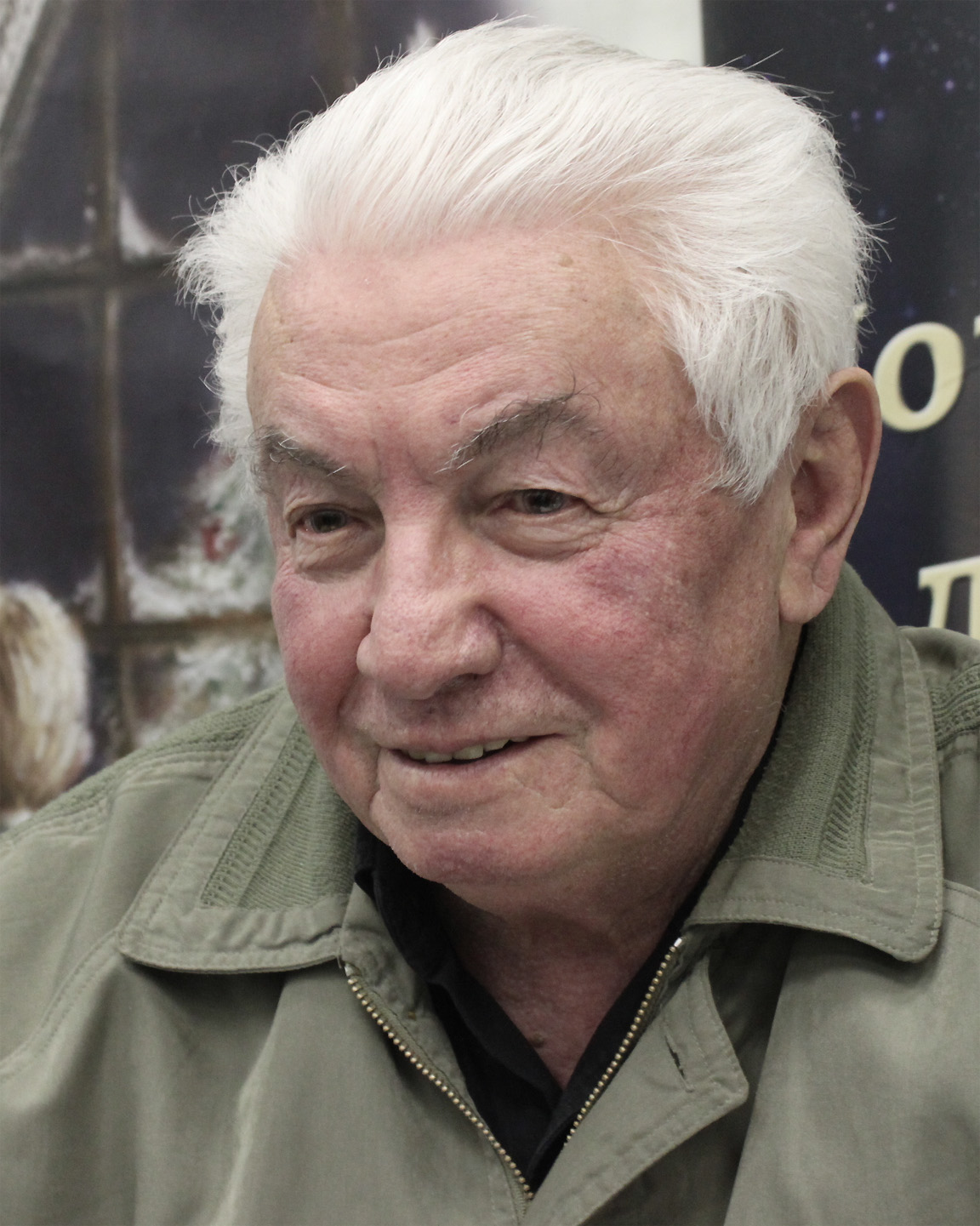


Style and themes
Voinovich's writing is notable for its ironical tone, grotesque situations and humane sympathy for ordinary people. He used satire to expose systemic absurdities rather than to indulge in personal invective, blending realistic detail with comic invention. Recurring themes include the clash between individual common sense and official absurdity, the persistence of small human decencies, and the parody of propaganda and grand narratives.
Life and career
Born in 1932 in Stalinabad (now Dushanbe) in the Tajik Soviet Socialist Republic, Voinovich began publishing in the Soviet period and attracted attention and controversy for his unorthodox voice. During the 1970s and 1980s his books often ran into censorship or long publication delays; he spent part of the 1980s living abroad before returning to Russia after the end of the Soviet period. He also served as a member of the Serbian Academy of Sciences and Arts in the Department of Language and Literature, reflecting his wider cultural connections in Eastern Europe.
Major works
- The Life and Extraordinary Adventures of Private Ivan Chonkin (published in stages beginning 1969) — a comic picaresque about a hapless soldier that became his best-known creation.
- Moscow 2042 (1986) — a satirical dystopia imagining a future shaped by bureaucracy and cults of personality.
- Monumental Propaganda (2000) — a later work continuing his interest in historical memory and public symbolism.
Legacy and reception
Voinovich is widely regarded as one of the most important Russian satirists of the late twentieth century. His characters and episodes entered the cultural conversation and his novels have been translated, discussed and adapted in various media. Critics note his combination of sharp civic conscience and comic craft: he wrote to reveal contradictions in power while keeping readers engaged by wit and human detail.
Voinovich died in Moscow on 27 July 2018 from a heart attack. His work remains a frequent point of reference in discussions of Soviet-era literature, censorship and the uses of satire in public life. For further general information see related literary resources and bibliographies about his birthplace and background.
Related articles
Author
AlegsaOnline.com Vladimir Voinovich (1932–2018) Leandro Alegsa
URL: https://en.alegsaonline.com/art/105739
Sources
- bulvar.com.ua : Vladimir Voinovich
- rt.com : Author of Russian cosmonauts’ unofficial anthem dies at 85