
Vitória da Conquista
Vitória da Conquista is a regional city in the interior of Bahia, Brazil, known for its highland location, semi‑arid climate, and role as a commercial, educational and health services hub for the surrounding region.
Overview
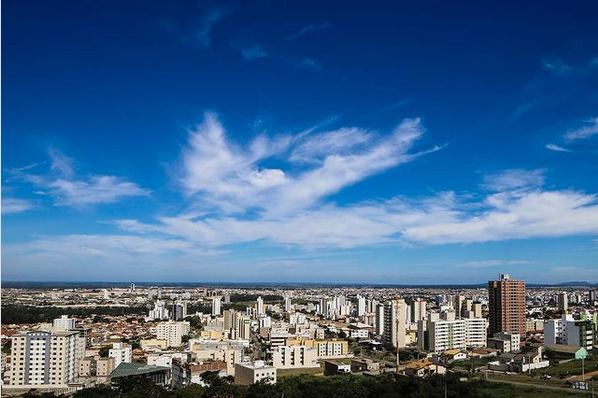
Vitória da Conquista is a major city in the interior of the state of Bahia and an important regional center in northeastern Brazil. Situated on a high plateau, the municipality serves as a focal point for commerce, education, and health services for a wide rural hinterland. Its elevated position gives the city a cooler climate than the coastal lowlands.
Image gallery
4 Images


Geography and climate
The city lies on a plateau at roughly three thousand feet above sea level, with a landscape of rolling hills and cerrado or transitional vegetation. Rainfall is relatively low compared with Brazil's humid zones, and the area experiences a semi‑arid or seasonally dry climate with pronounced dry periods that can affect agriculture and water supply.
History and development
Vitória da Conquista originated as a waypoint and market town in the interior, growing gradually as trade routes and cattle trails brought settlers and commerce inland. Over the 19th and 20th centuries it expanded into an urban center as roads and regional economic ties strengthened, attracting public services and private investment.
Economy and public services
The local economy mixes commerce, services, and agriculture. Key activities include regional trade, small‑scale farming and livestock, and a broad services sector that caters to surrounding municipalities. The city also hosts higher education institutions and hospitals that serve as hubs for students and patients from the interior.
- Regional trade and retail
- Agriculture and livestock in surrounding areas
- Education and health services as regional anchors
Culture and importance
As a sizable interior city, Vitória da Conquista is a cultural and administrative reference for its region. It supports festivals, markets, and civic institutions that reflect a mix of rural traditions and urban lifestyles. Its transport and service infrastructure make it a gateway between more remote municipalities and larger coastal cities.
Challenges and prospects
The city faces typical challenges of interior urban centers: managing growth, securing reliable water resources during dry periods, and expanding infrastructure to meet rising demand. Continued investment in education, health and connectivity is widely seen as central to its future development.
Related articles
Author
AlegsaOnline.com Vitória da Conquista Leandro Alegsa
URL: https://en.alegsaonline.com/art/105665