
Vitoria-Gasteiz: capital city of Spain's Basque Country
Vitoria-Gasteiz is the administrative capital of the Basque Autonomous Community in northern Spain, known for its medieval core, extensive green belt, bilingual culture and post‑1950 industrial and administrative growth.
Overview
Vitoria-Gasteiz is the official name of the capital of the Basque Autonomous Community. It lies in the north of Spain and serves as the seat of regional institutions and many public services. The city combines a compact historic centre with broad avenues and surrounding parks, and is widely recognised for efforts to preserve green space within an urban setting. Basque Country and its capital enjoy a degree of political and cultural autonomy within the Spanish state.
Image gallery
10 Images
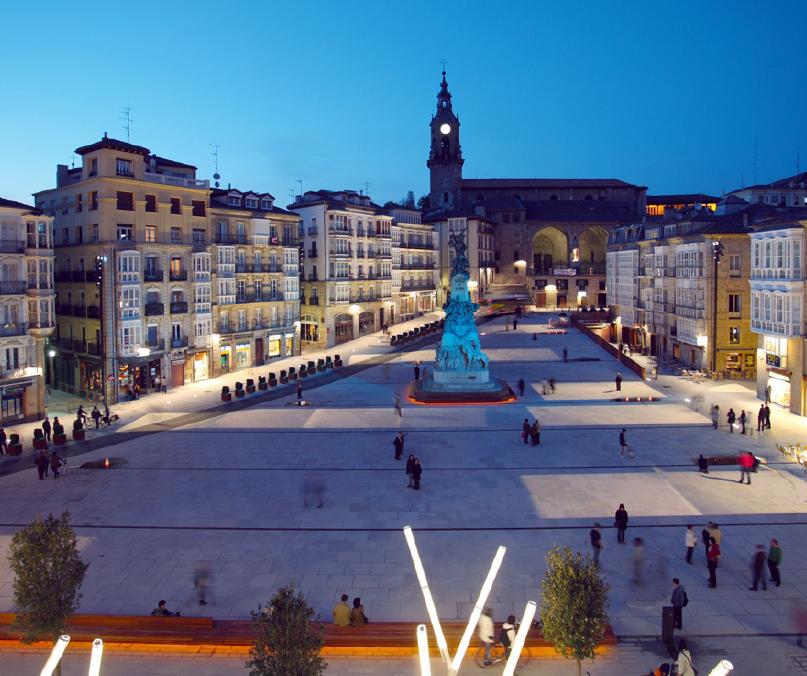


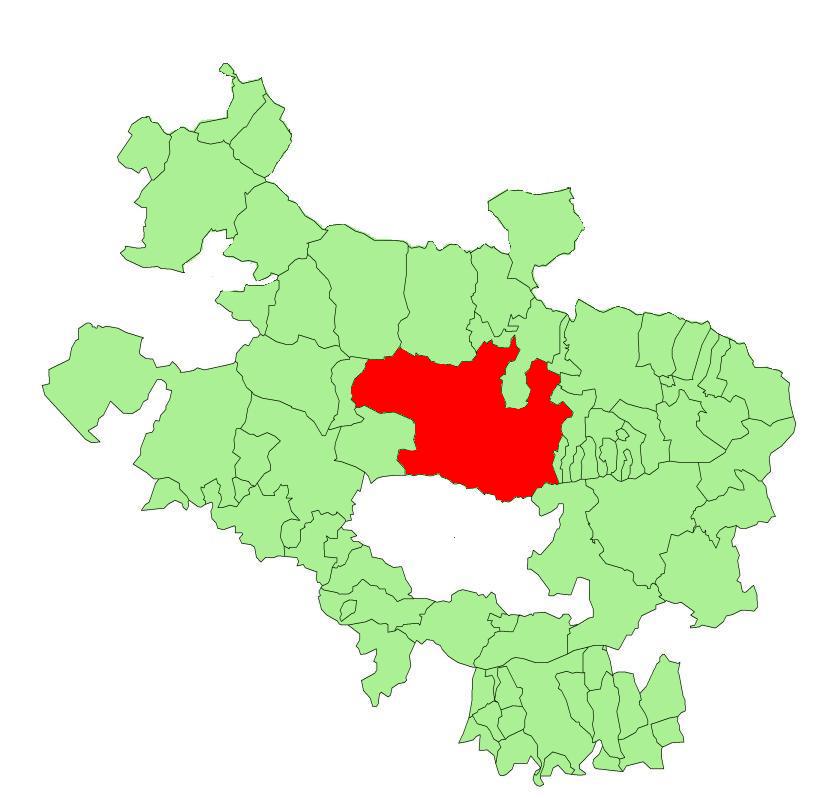
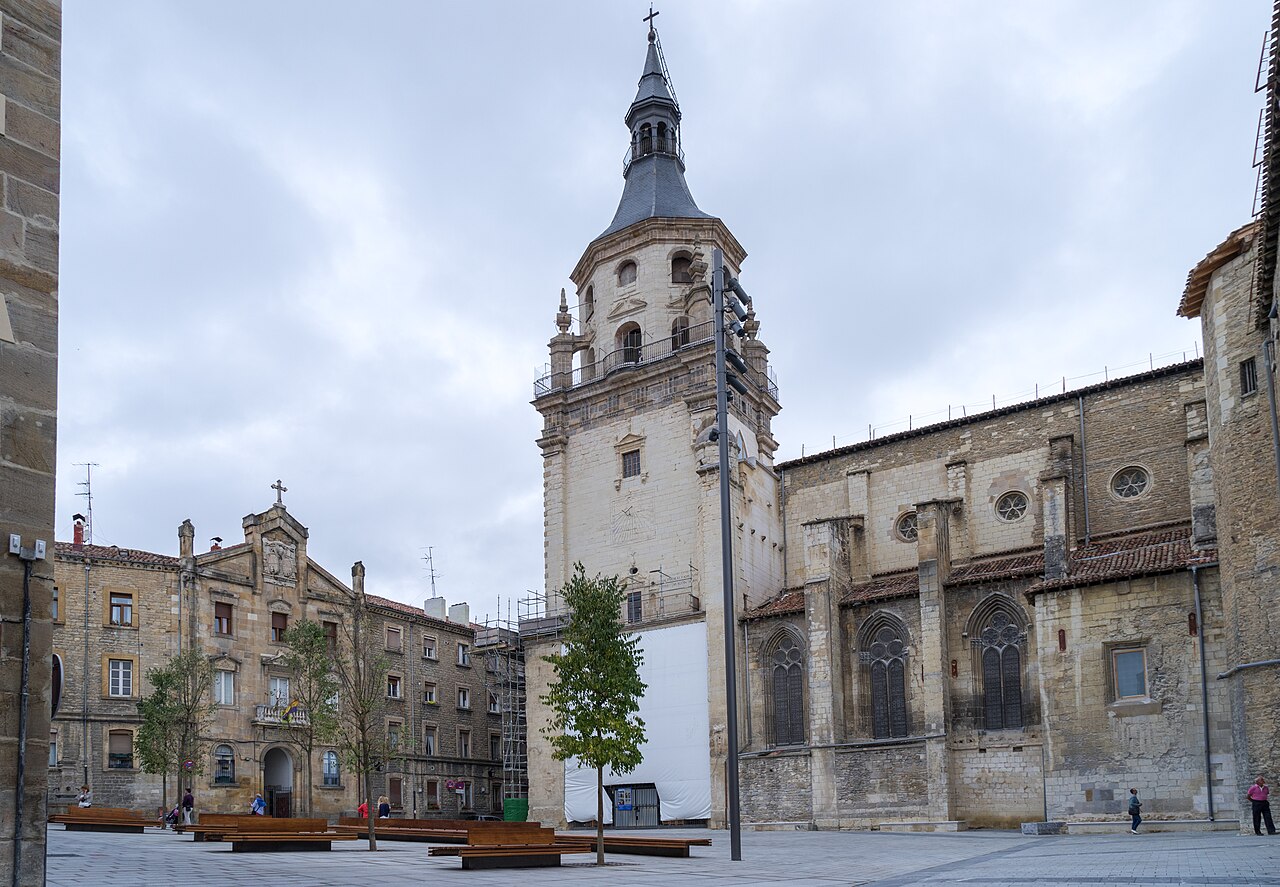
Name and language
The city is commonly called Vitoria in Spanish and Gasteiz in Basque; both names are used together in the official form Vitoria-Gasteiz. Basque speakers sometimes use local variants. The population is bilingual to varying degrees, and public signage and administration typically reflect both Spanish and the Basque language. For background on the wider region see Basque language and culture.
History and development
Originally a modest medieval town, Vitoria-Gasteiz expanded slowly until the mid‑20th century. After 1950 the city underwent significant industrialisation and demographic growth, transforming from a provincial town into an administrative and manufacturing centre. The historic core retains Gothic and Renaissance architecture, including an important parish church and narrow streets that contrast with later 19th and 20th century neighbourhoods.
City features and landmarks
The old town is a focal point for visitors and residents, with restored stone buildings and a cathedral that has attracted conservation attention. Surrounding the historic area, a network of parks and a deliberate green belt provide recreational space and ecological value. The city layout mixes medieval patterns with planned boulevards, public squares and contemporary cultural facilities.
Economy, transport and public life
As a regional capital, Vitoria-Gasteiz hosts government departments and many public sector jobs. Industry and services both play important roles in the local economy. Transport links connect the city to other parts of northern Spain by road and rail, and there is a nearby airport serving regional and cargo flights. For its setting in northern Iberia see regional maps and guides: northern Spain.
Culture and notable facts
The city stages annual festivals, markets and cultural events that reflect Basque traditions and contemporary civic life. Notable aspects include efforts in urban green planning, a preserved medieval quarter, bilingual institutions and a role as the political centre of Álava province. These features make Vitoria-Gasteiz both a working capital and a place of historical and environmental interest.
- Official bilingual name: Vitoria-Gasteiz
- Historic core with Gothic and Renaissance elements
- Extensive urban green belt and park system
- Regional capital and administrative centre
Questions and answers
Q: What is Vitoria-Gasteiz?
A: Vitoria-Gasteiz is the capital of the Basque Country.
Q: Where is Vitoria-Gasteiz located?
A: Vitoria-Gasteiz is located in the north of Spain.
Q: Was Vitoria-Gasteiz a big city before 1950?
A: No, Vitoria-Gasteiz was a little town until 1950.
Q: What has happened to Vitoria-Gasteiz since 1950?
A: Vitoria-Gasteiz has changed a lot because of important industrialization since 1950.
Q: What is the official name of the city?
A: The official name of the city is Vitoria-Gasteiz.
Q: What do people usually call the city?
A: People usually call the city simply Vitoria or Gasteiz.
Q: What is the Basque name for the city?
A: In Basque, the city is called Gasteiz, and some Basque speakers call it Vitorixe.
Related articles
Author
AlegsaOnline.com Vitoria-Gasteiz: capital city of Spain's Basque Country Leandro Alegsa
URL: https://en.alegsaonline.com/art/105667
Sources
- vitoria-gasteiz.org : "A little bit of history..."
- ec.europa.eu : "Vitoria-Gasteiz – European Green Capital 2012 "
- kultura.ejgv.euskadi.net : "Arabako Arte Ederretako Museoa (in spanish)"
- vitoria-gasteiz.org : "VIII Semana de la Cazuelita de Álava y del Vino de Rioja Alavesa (in spanish)"
- vitoria-gasteiz.org : "Vino Gourmet"
- eitb.com : "Berasategui gets seventh Michelin star"
- turismoa.euskadi.net : "Don't miss it! - Basque Country's Tourism Website - Euskadi.net - Gastronomía"