
Virignin (commune in Ain, France)
Virignin is a small commune in the Ain department of Auvergne-Rhône-Alpes, eastern France. Overview of its location, geography, history, local economy, administration and visitor features.
Virignin is a small municipality in eastern France. It is officially a commune within the Ain department and forms part of the Auvergne-Rhône-Alpes region. Located in the broad eastern quarter of the country, the settlement sits in a predominantly rural setting characteristic of the east of France and is administered under France's system of departments.
Image gallery
1 Image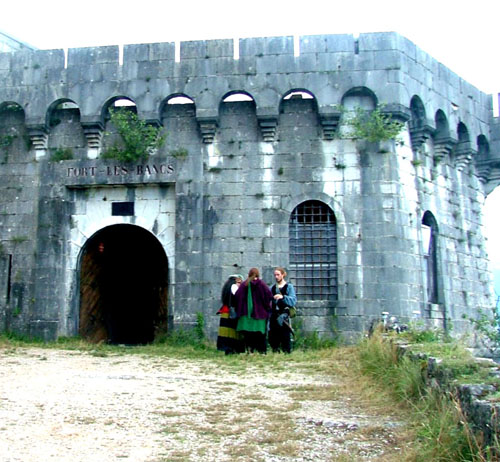
Geography and landscape
Virignin's surroundings typically include rolling countryside, cultivated fields and wooded slopes that are common in this part of Ain. The local landscape supports mixed farming and outdoor recreation; smaller communes in the area often serve as gateways to walking routes and local natural attractions. Climate in the region tends to be temperate with seasonal variation, influenced by nearby massifs and river valleys.
History and development
The village grew up over centuries as a rural settlement with roots in local medieval patterns of landholding and parish life. Like many small French communes, its heritage includes historic buildings such as a parish church, traditional farmhouses and a town hall that together reflect gradual development from agricultural beginnings through modest modernisation.
Economy, services and culture
The local economy is typically based on agriculture, small businesses and services that support residents and visitors. Community life often centres on communal facilities, seasonal markets and cultural events that preserve local traditions. Tourism usually focuses on countryside activities, regional gastronomy and short rural stays rather than large-scale attractions.
Administration and practical information
As a commune, Virignin is governed by a municipal council and mayor and participates in broader intercommunal structures for services such as schooling, waste management and local planning. Public amenities commonly include a mairie (town hall), a church, and basic shops or service points; more specialised services are found in nearby larger towns.
Visiting and notable facts
- Typical attractions: rural architecture, walking and scenic views.
- Useful for visitors seeking quiet countryside and local authenticity.
- Serves as a local centre for surrounding hamlets and farmland.
Related articles
Author
AlegsaOnline.com Virignin (commune in Ain, France) Leandro Alegsa
URL: https://en.alegsaonline.com/art/105562