
Virginia City, Montana — Historic gold‑rush town and Madison County seat
Virginia City, Montana, is a well‑preserved 19th‑century gold rush town in the United States and the county seat of Madison County, known today for historic buildings, museums and living‑history tourism.
Overview
Virginia City is a small, historic town in southwestern the United States that serves as the county seat of Madison County. Founded during a mid‑19th century gold rush, it retains a large collection of original buildings and streetscapes from its boom years and today is a focal point for heritage tourism and local government.
Image gallery
5 Images


History and origins
The town grew up rapidly after gold was discovered in nearby Alder Gulch in the 1860s. Prospectors and merchants poured in and a frontier community arose almost overnight, with saloons, stores and government institutions. For a period in the territorial era Virginia City functioned as a administrative center before other Montana settlements grew larger.
Character and surviving features
Virginia City is notable for its concentration of 19th‑century commercial and residential buildings, many of which have been stabilized or restored. Wooden sidewalks, false‑front storefronts, historic hotels and a courthouse convey the appearance of a western boomtown. The townscape is complemented by interpretive signs, museums and preserved interiors that illustrate daily life in the mining era.
Tourism, preservation and uses
Today the community operates in part as a living history destination, drawing visitors interested in mining history, architecture and frontier life. Attractions include guided walking tours, period museums, reenactments and seasonal events that highlight the town's past. As the county seat the town also continues to host public offices and local civic functions.
Notable facts and distinctions
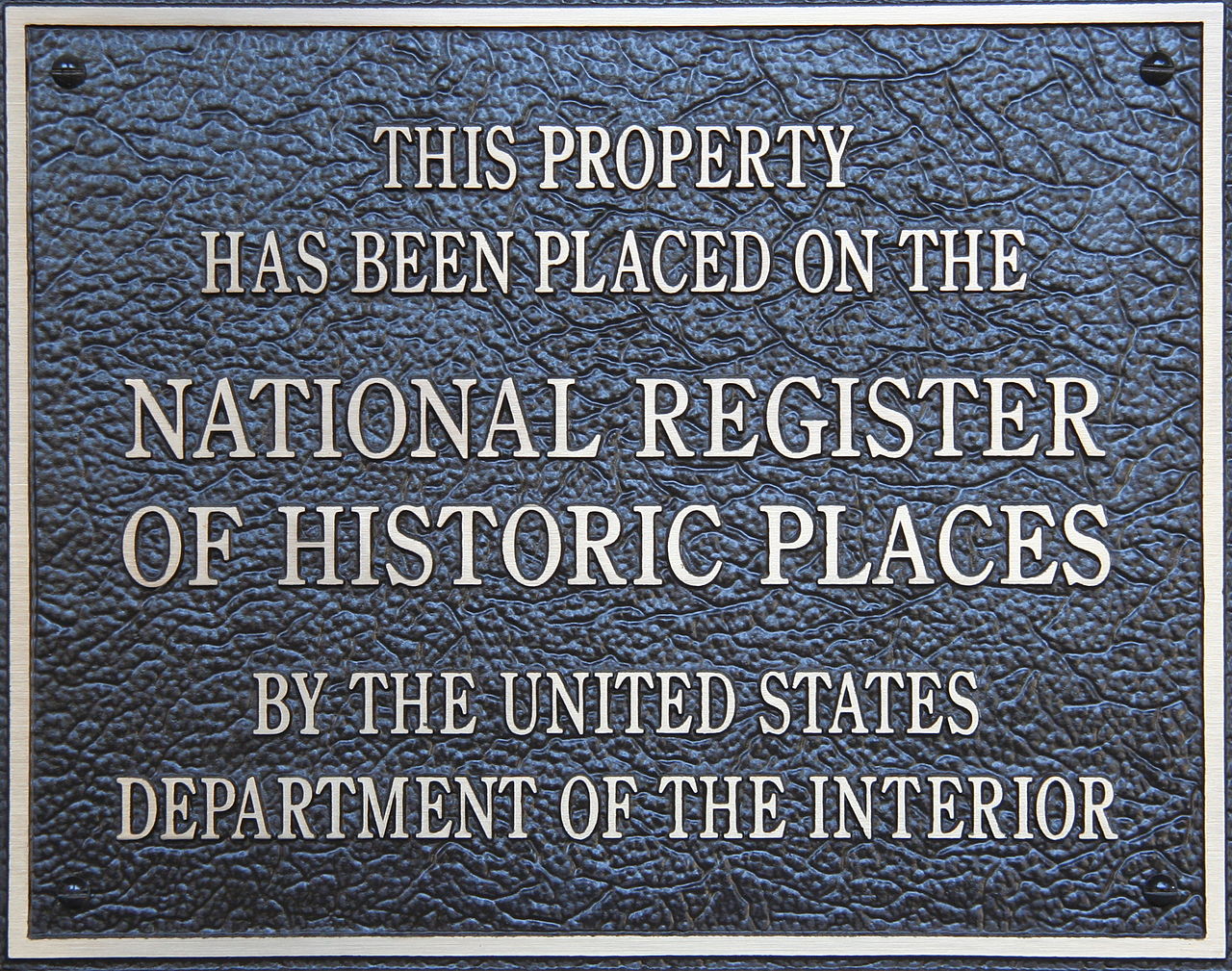
- Virginia City is recognized for its historic district and is often included in registers of preserved American western towns.
- It remains an example of how mining booms shaped settlement patterns and government in the mountain West.
- Visitors planning a trip can find more information about local services and schedules through official and regional resources such as the town's visitor centers and county offices (county seat information).
The town's mix of authentic structures and interpretive programming makes it an accessible place to explore 19th‑century western history. For practical details on hours, events and preservation efforts consult local guides and official sources before visiting.
Related articles
Author
AlegsaOnline.com Virginia City, Montana — Historic gold‑rush town and Madison County seat Leandro Alegsa
URL: https://en.alegsaonline.com/art/105537