
Villefranche-sur-Mer — harbour town on the French Riviera
Villefranche-sur-Mer is a coastal commune on the French Riviera, noted for its deep natural harbour, historic citadel, and Mediterranean tourism in the Alpes-Maritimes region of southern France.
Villefranche-sur-Mer is a coastal commune on the French Riviera, renowned for a wide, deep bay that provides one of the Mediterranean's most sheltered natural harbours. It lies within Provence-Alpes-Côte d'Azur, often abbreviated as PACA, and forms part of the coastal communities east of Nice.
Image gallery
10 Images




Geography and characteristics
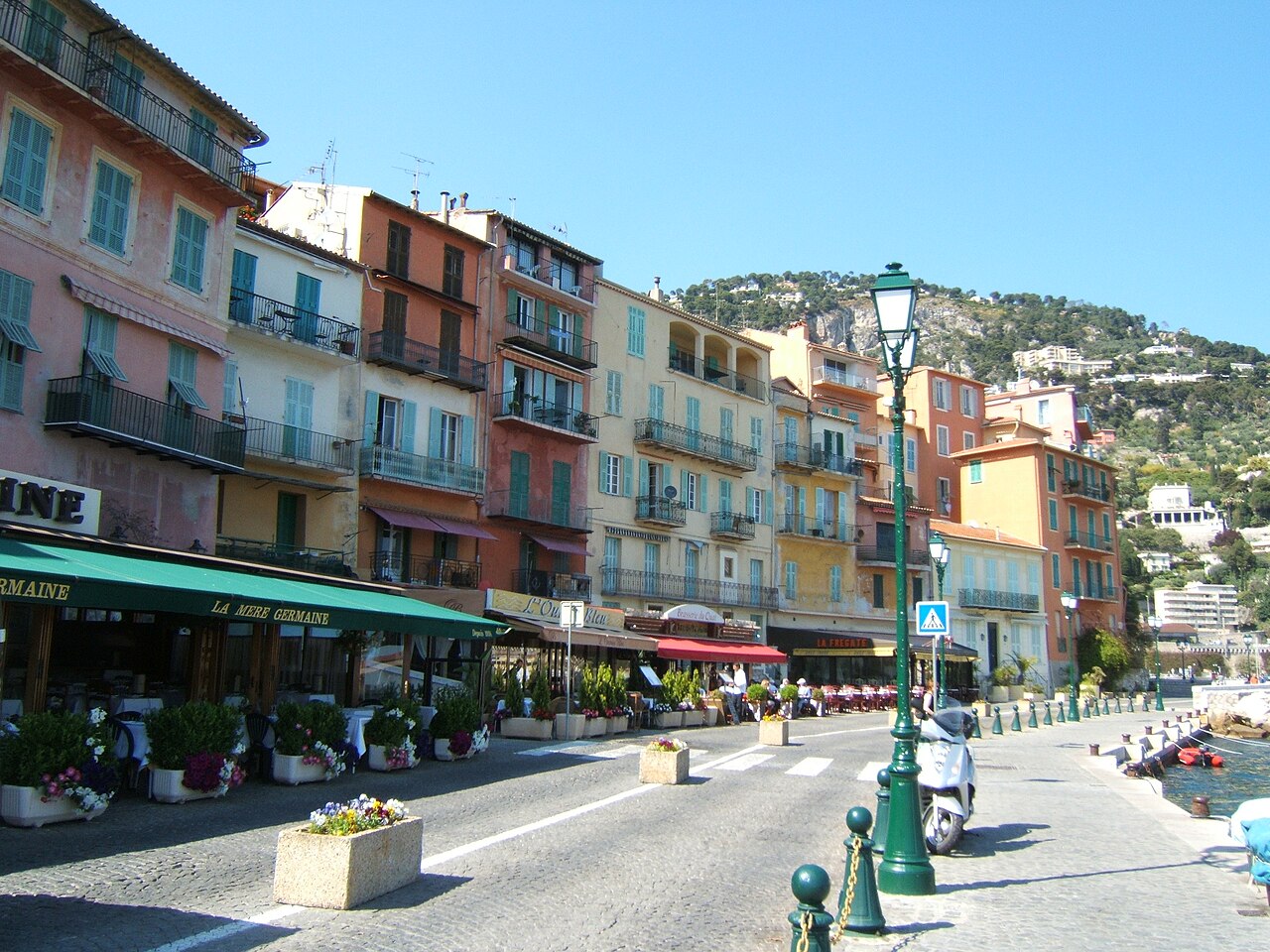
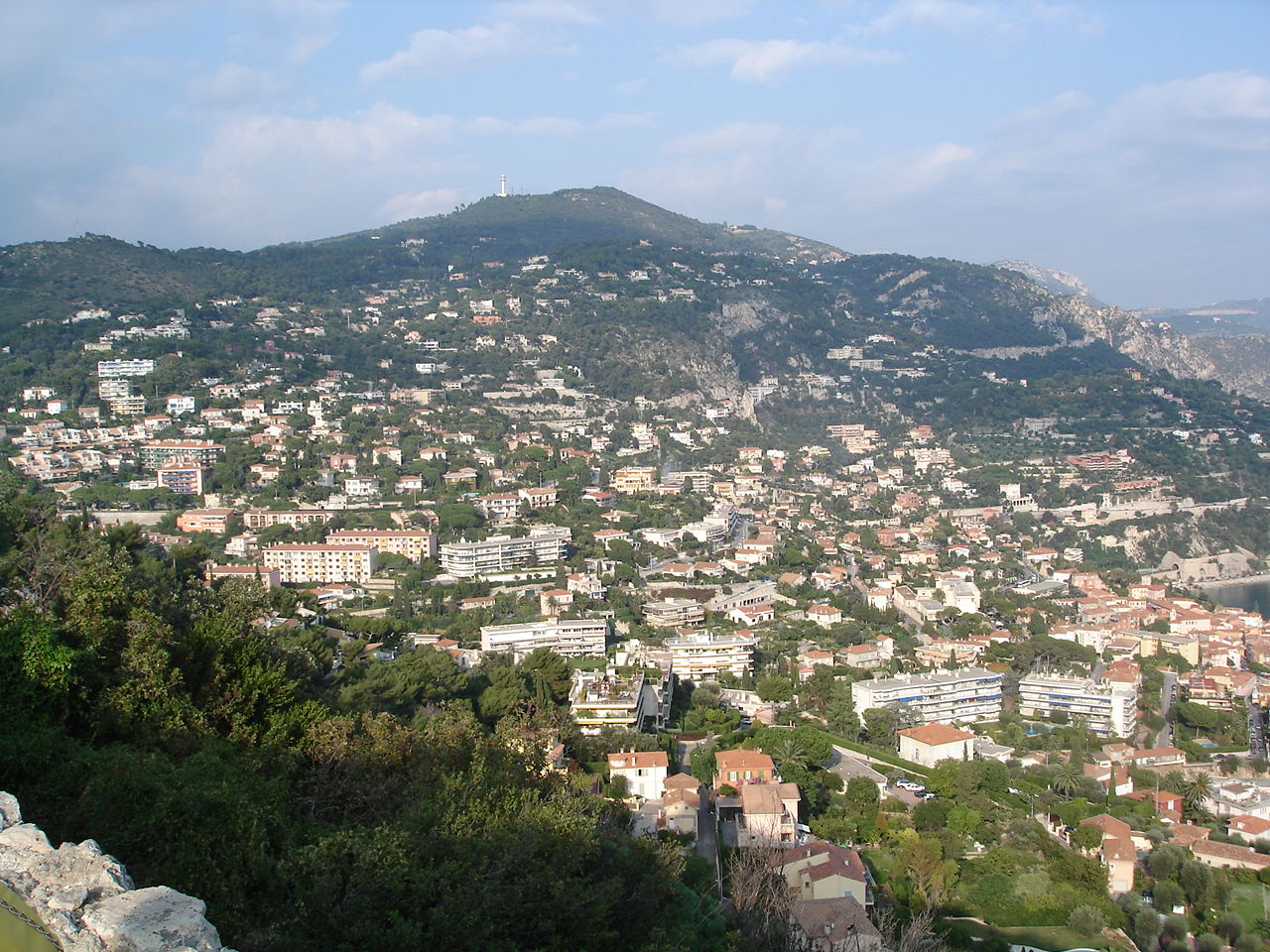
The town faces the Baie de Villefranche, a semi-enclosed inlet with steep hills and narrow streets rising from the waterside. The old town retains colorful façades and a compact layout of lanes, small squares and waterfront quays. Administratively it is in the Alpes-Maritimes area and belongs to the surrounding department network of coastal communes.
History and development
Settlement at Villefranche dates back centuries, with the harbour providing strategic and commercial advantages to successive rulers. Fortifications visible today reflect attempts to protect the anchorage and town from naval threats. Over time the port shifted from military and local fishing uses toward leisure and passenger shipping, while conserving many historical buildings.
Landmarks and culture
Key sites include a 16th–17th century citadel overlooking the bay, medieval churches and the small Chapelle Saint-Pierre decorated in the 20th century with murals by visiting artists. The harbour and narrow streets host markets, festivals and a lively waterfront café culture that typify southern France.
Modern role and access
Today Villefranche-sur-Mer combines daily life for residents with seasonal tourism: cruise ships, yachts and day-trippers commonly use the harbour as a stopping point. The town is connected by the coastal rail line and roads to Nice, Monaco and other Riviera destinations, making it accessible for short visits or longer stays.
Notable facts
- The bay is prized for its depth and shelter, suitable for many classes of vessels.
- Historic fortifications have been repurposed for cultural events and museums.
- The town offers a compact example of Riviera architecture and maritime life.
Additional information and visitor guidance can be found via local municipal resources and regional tourism services linked above.
Related articles
Author
AlegsaOnline.com Villefranche-sur-Mer — harbour town on the French Riviera Leandro Alegsa
URL: https://en.alegsaonline.com/art/105261