
Viljandi, Estonia
Viljandi is a historic town in southern Estonia, administrative centre of Viljandi County, known for medieval castle ruins, a lakeside setting, a strong folk-music tradition and regional cultural institutions.
Viljandi is a town and municipality in southern Estonia. It is the administrative centre of Viljandi County and a regional cultural hub. The town is also known by historic names in other languages, including the German Fellin and the Polish Felin. Viljandi appears in written sources from the late 13th century; its first documented mention dates to 1283, when a town charter was recorded in contemporary documents referring to its medieval foundation. In recent decades the town has had a population of roughly twenty thousand in wider estimates, with the 2012 figure recorded at 19,150.
Image gallery
10 Images




Geography and townscape
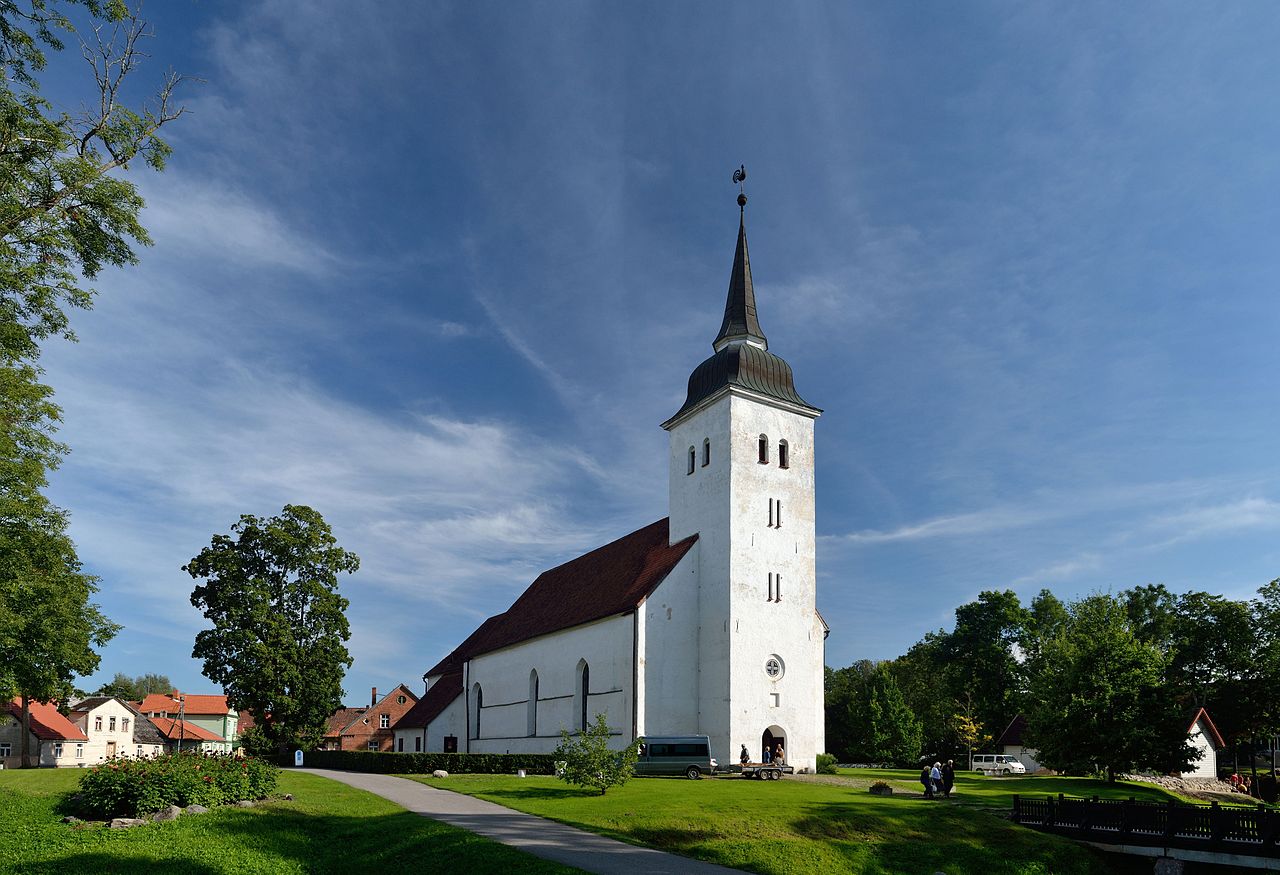
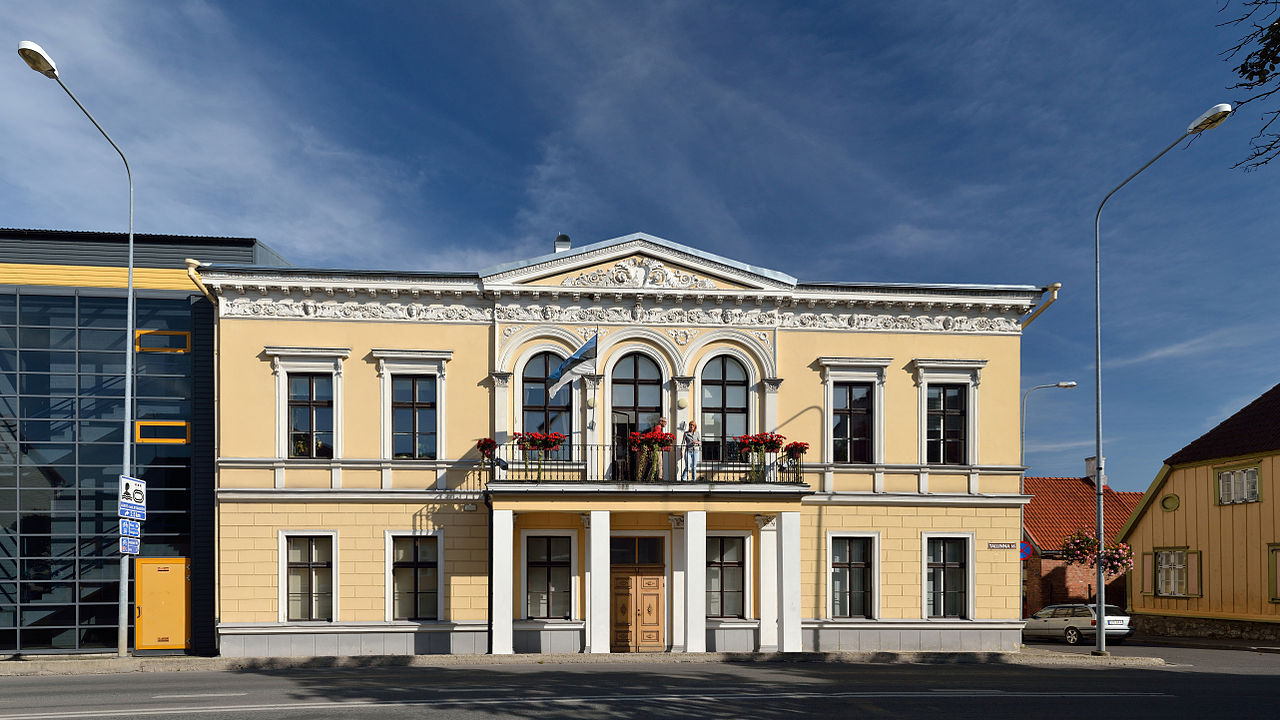
Viljandi sits beside an elongate lake that shapes the town’s waterfront and offers a mix of parkland and promenades. The old town occupies a compact area around the lake and the hill known for the castle ruins. The built environment includes wooden residential districts and stone civic buildings that reflect several periods of construction and rebuilding.
History
The settlement developed in the Middle Ages around a fortified site and a trading place. Control of the area changed hands over the centuries in the complex history of the Baltic region. The medieval castle, now a conspicuous ruin on a hill above the lake, dates from the period when military orders and Hanseatic trade shaped local towns. Subsequent centuries brought crafts, trade and later administrative functions under varying political contexts.
Culture and events
Viljandi has an active cultural life that exceeds what might be expected for its size. It hosts an annual folk music festival that is one of Estonia’s best-known music events, attracting performers and audiences interested in traditional and contemporary folk music. The town supports a regional museum, a theatre, and educational institutions focused on culture: notably the Viljandi Culture Academy, associated with national higher education, which contributes to music, dance and performing arts training.
Economy, tourism and recreation
The local economy combines public administration, education, services, tourism and small-scale industry. Viljandi’s combination of historic sites, the lakeside setting and a programme of festivals and exhibitions makes it a frequent destination for cultural tourism and day visits. Outdoor recreation around the lake and in nearby rural areas complements the town’s cultural attractions.
Landmarks and visitor information
- Viljandi Castle ruins and the hilltop park, offering views over the lake and town.
- Viljandi Lake with waterfront paths and green spaces.
- Historic churches, streets and local museums that illustrate regional history.
For further historical context and administrative details see sources and regional guides; contemporary municipal information is available from local authorities and cultural organisations.
Related articles
Author
AlegsaOnline.com Viljandi, Estonia Leandro Alegsa
URL: https://en.alegsaonline.com/art/105171