
Villa Park, Illinois
Overview of Villa Park, a Chicago suburb in DuPage County: history, character, transportation, parks, services, and notable local features.
Overview
Villa Park is a suburban community in Illinois, in the United States. It is one of the inner-ring suburbs that form the western side of the Chicago metropolitan area. The village combines primarily residential neighborhoods with small commercial corridors, community parks, municipal services and local schools, and serves as a home base for people who work in the region.
Image gallery
6 Images
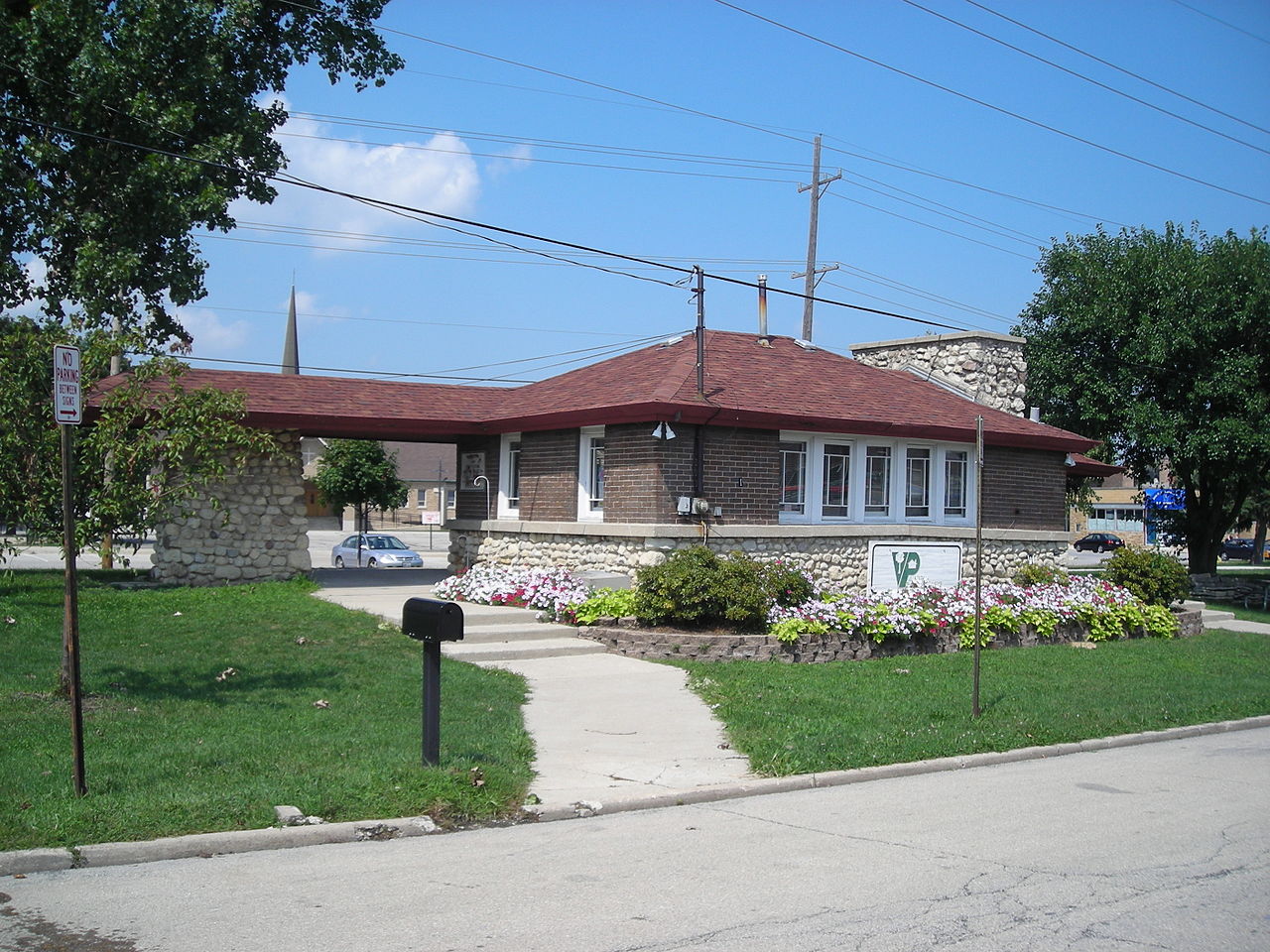


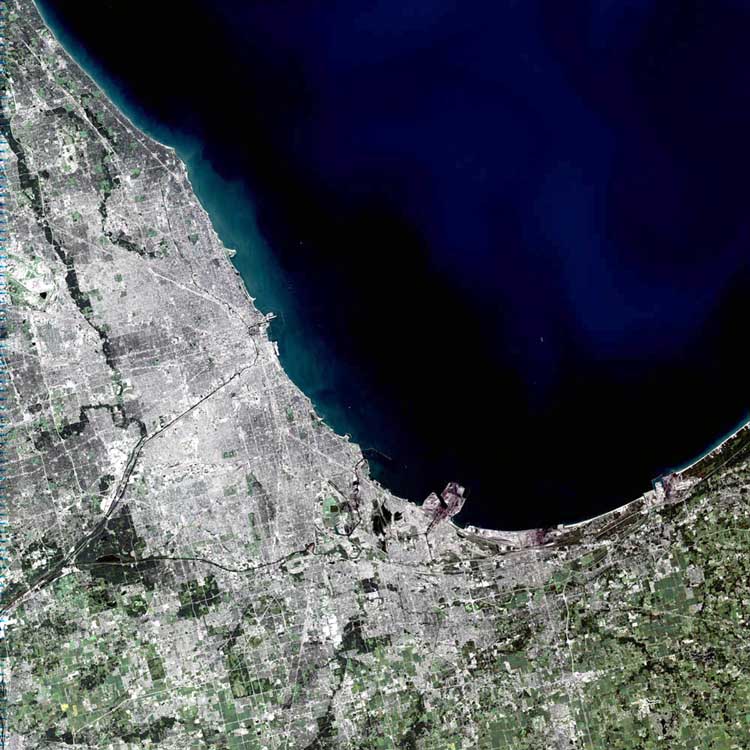
History and development
Villa Park grew up alongside the railroads and early industrial expansion that shaped many Chicago suburbs. Its development accelerated when transportation links to the city and surrounding communities made regular commuting practical, and local industry and businesses provided employment for residents. Over time the community transitioned from a mix of agriculture and manufacturing to a largely residential suburb with preserved pockets of historic architecture and commercial streets.
Characteristics and amenities
The village is characterized by tree-lined residential blocks, neighborhood parks, public library services, and community facilities such as a village hall, recreation programs and local schools administered by nearby school districts. Public green space and playgrounds support family life, while small shopping districts host restaurants, shops and professional services that serve daily needs.
Transportation and economy
Villa Park’s location emphasizes access: it benefits from regional commuter rail and bus services as well as nearby expressways that connect to central Chicago and other suburbs. This accessibility supports a commuter population as well as local employers. Small and medium-sized businesses, light industry, and service firms make up much of the local economy, complemented by retail along principal thoroughfares.
Recreation, trails and community life
Outdoor recreation is important to residents. A regional shared-use trail system, following former rail corridors, runs through or near the area and is used for walking, cycling and leisure. The village hosts seasonal community events, recreational leagues and cultural activities that reflect a suburban, family-oriented identity. Local parks provide space for sports, picnics and neighborhood gatherings.
Notable facts and distinctions
- Villa Park is typical of Chicago’s inner-ring suburbs: a mix of residential neighborhoods and small business districts with convenient transit links.
- Its development was tied to regional transportation and the broader industrial expansion of the late 19th and early 20th centuries.
- Community amenities—parks, library and trails—help maintain a suburban quality of life while allowing relatively easy access to the Chicago metropolitan job market.
Related articles
Author
AlegsaOnline.com Villa Park, Illinois Leandro Alegsa
URL: https://en.alegsaonline.com/art/105179