
Vilcabamba, Peru: Last Inca Stronghold and Archaeological Site
Vilcabamba was the Neo-Inca capital founded by Manco Inca in 1539 and remained a refuge of Inca resistance until its fall in 1572. It is an important archaeological and historical site in the Cusco region.
Vilcabamba was established by Manco Inca Yupanqui in 1539 as the capital of the Neo-Inca State, the last independent Inca polity after the Spanish conquest of the highlands. Nestled in a remote, forested mountain valley of what is now the Cusco region, Vilcabamba functioned as a political, military and symbolic center for Inca rulers who sought to continue resistance beyond Spanish control.
Image gallery
8 Images


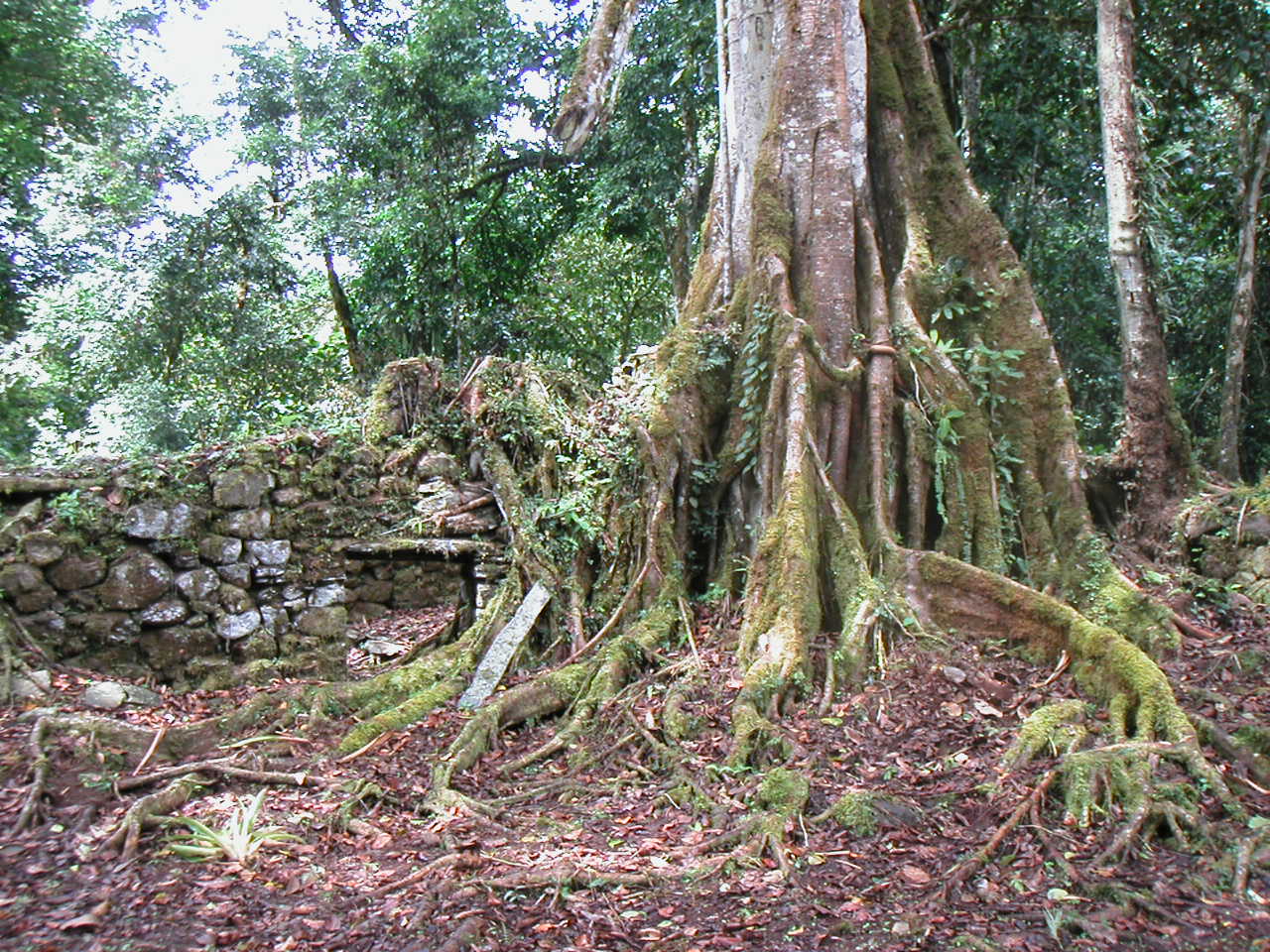


Geography and site characteristics
The site occupies rugged, cloud-forested terrain that offered natural defenses and relative isolation. Inca builders adapted terraces, plazas and storage structures to steep slopes and a humid climate. Archaeological remains attributed to Vilcabamba include foundations, agricultural terraces and stonework adapted to the local environment; such features reflect both continuity with imperial Inca construction and practical adjustments to a frontier setting.
Historical outline
After the fall of Cusco and the execution of some Inca leaders, Manco Inca withdrew to the Vilcabamba valley and set up a court that maintained Inca governmental forms and military resistance. The Neo-Inca State persisted through a succession of rulers and intermittent conflict with Spanish colonial forces. In 1572 the last prominent Inca ruler associated with Vilcabamba, Túpac Amaru, was captured and executed; his death is widely regarded as the end of organized Inca resistance to Spanish rule.
Archaeology, rediscovery and research
Interest in Vilcabamba among travelers and scholars grew from the 19th century onward. Remains attributed to the settlement have been identified at more than one location in the remote valleys of the region, and research has combined archival sources with on-site survey and excavation. Ongoing archaeological work aims to clarify the layout, chronology and daily life of the Neo-Inca capital and its relationship to nearby Inca and colonial sites.
Importance and legacy
- Symbol of prolonged indigenous resistance after the Spanish conquest.
- Source of information about Late Inca statecraft, adaptive architecture and rural life under duress.
- Part of the broader cultural landscape of the Cusco region and a focus for heritage protection.
Researchers and visitors interested in Vilcabamba can consult historical studies and archaeological reports for detailed accounts; for a general introduction see additional resources. The site remains significant for understanding how Inca society adapted in the face of colonial expansion and for appreciating the regional diversity of Andean archaeology.
Related articles
Author
AlegsaOnline.com Vilcabamba, Peru: Last Inca Stronghold and Archaeological Site Leandro Alegsa
URL: https://en.alegsaonline.com/art/105166