
Vilnius Old Town (Vilniaus senamiestis)
Historic core of Vilnius, Lithuania — a large, well-preserved medieval centre with diverse architecture, key squares, museums and churches. Listed as a UNESCO World Heritage site in 1994.
Overview
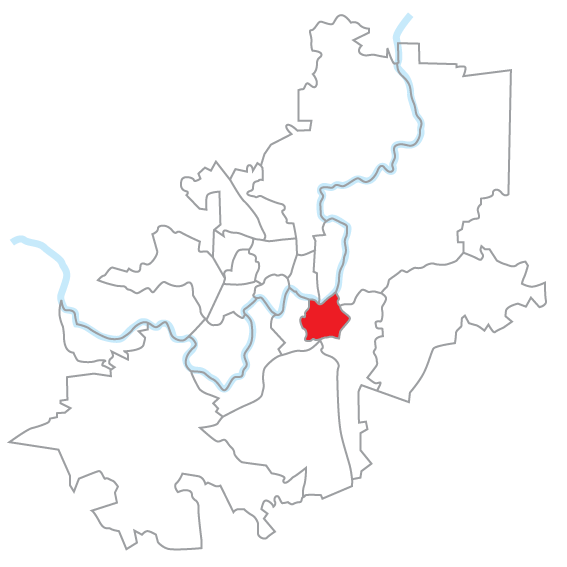
The Old Town of Vilnius, known in Lithuanian as Vilniaus senamiestis, forms the historic heart of Vilnius, the capital of Lithuania. It is widely regarded as one of the largest and most coherent surviving medieval historic centres in Europe, covering about 3.59 square kilometres. The area is characterised by a compact street pattern, an abundance of religious and civic buildings, and many intimate courtyards.
Image gallery
10 Images


Characteristics and layout
The Old Town features a mix of Gothic, Renaissance and Baroque architecture clustered along narrow lanes and pedestrian streets. Visitors often stroll along streets lined with cafés, artisan shops and university buildings. Historic features include narrow streets, numerous old churches, civic museums (museums) and the many flower-decorated courtyards that open off main routes. Two principal public spaces anchor the district: Cathedral Square and Town Hall Square, which serve as civic and ceremonial centres.
History and development
Archaeological and documentary evidence shows the settlement in the area developed into a recognised town by the early 13th century. Over the centuries it grew as the political and cultural centre of the Grand Duchy of Lithuania, absorbing influences from neighboring peoples and faiths. Conservation efforts and restoration during the 20th and 21st centuries have preserved the urban fabric; in 1994 the ensemble was inscribed on the UNESCO World Heritage List for its outstanding value.
Main sights and attractions
- Vilnius Cathedral and its surrounding square
- St. Anne's Church — a noted Gothic landmark
- Pilies Street and other historic thoroughfares
- Historic courtyards and small gardened spaces that reveal residential life
- Town Hall Square with civic buildings and events
Uses, significance and preservation
Vilnius Old Town remains a living district: it houses government and university institutions, cultural venues, shops and homes. Its combination of architectural styles documents centuries of religious, social and political change. Contemporary planning aims to balance tourism and everyday life while protecting historic structures through careful restoration and regulations. For practical visitor information, guided walking tours and cultural programmes are available through local heritage organisations and municipal services.
Questions and answers
Q: What is the Old Town of Vilnius?
A: The Old Town of Vilnius is the historic part of the city of Vilnius, Lithuania.
Q: Why is the Old Town of Vilnius significant?
A: The Old Town of Vilnius is significant because it is one of the largest and most beautiful medieval old towns in Europe.
Q: When did the settlement become a town?
A: The settlement became a town in the early 13th century.
Q: What can be found in the Old Town of Vilnius?
A: The Old Town of Vilnius is marked by narrow streets, old churches, museums and flower-decorated courtyards.
Q: What are the central squares in the Old Town of Vilnius?
A: The central squares in the Old Town of Vilnius are the Cathedral Square and the Town Hall Square.
Q: When was the Vilnius Old Town included in the UNESCO World Heritage List?
A: The Vilnius Old Town was included in the UNESCO World Heritage List in 1994.
Q: What is the area of the Old Town of Vilnius?
A: The area of the Old Town of Vilnius is 3.59 square kilometres (887 acres).
Related articles
Author
AlegsaOnline.com Vilnius Old Town (Vilniaus senamiestis) Leandro Alegsa
URL: https://en.alegsaonline.com/art/105362
Sources
- commons.wikimedia.org : Vilnius Old Town
- whc.unesco.org : "Vilnius Historic Centre"
- lietuva.lt : "Unique Old Town of Vilnius"