
Viktor Frankl: Psychiatrist, Holocaust Survivor and Founder of Logotherapy
Austrian neurologist and psychiatrist Viktor Frankl (1905–1997) developed logotherapy, an existential approach emphasizing meaning. He survived Nazi camps and influenced psychotherapy, counseling, and humanistic thought.
Overview
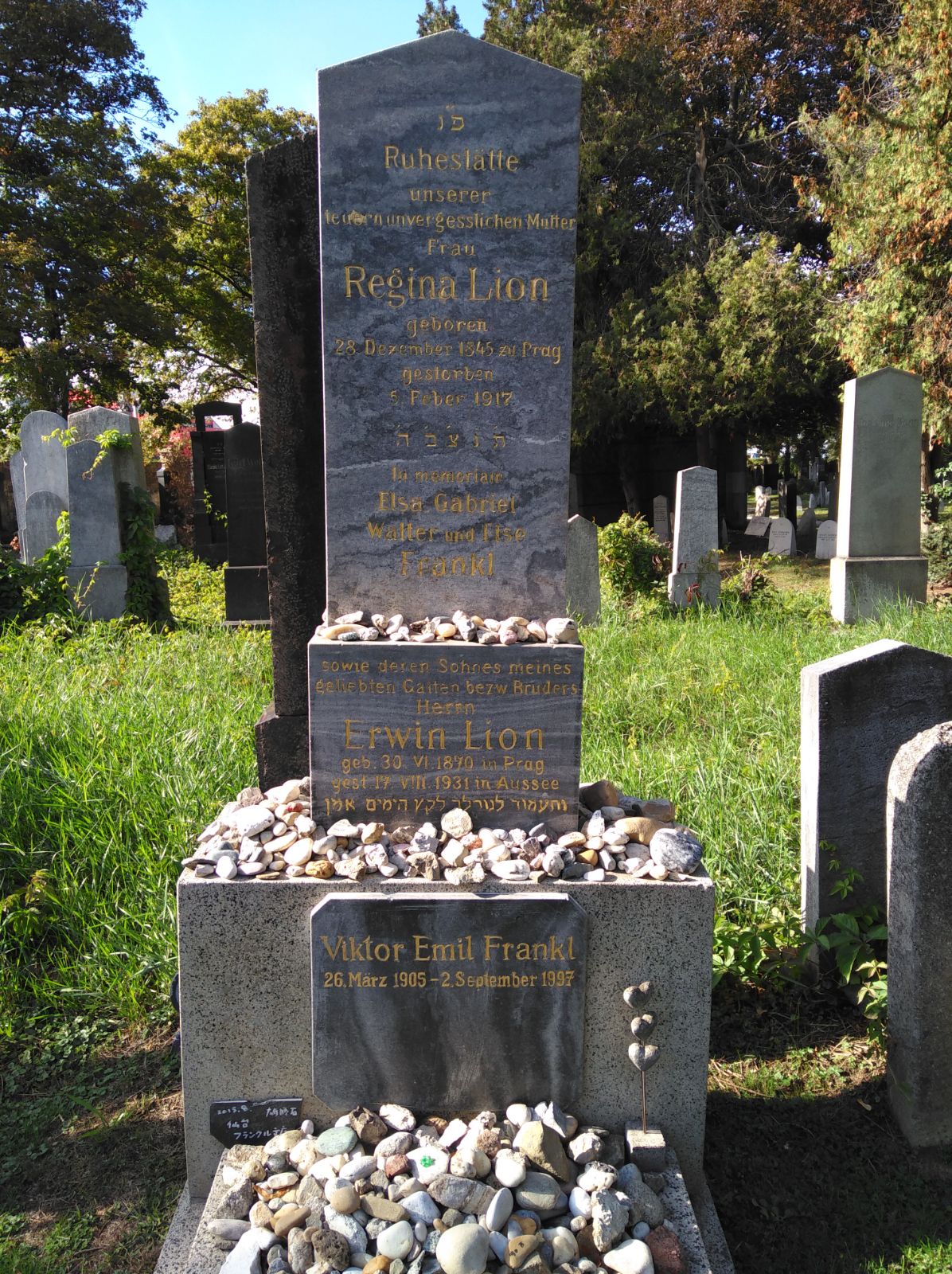
Viktor Emil Frankl (26 March 1905 – 2 September 1997) was an Austrian physician and thinker best known for creating logotherapy, an existential school of psychotherapy. Trained as a neurologist and psychiatrist, Frankl combined clinical practice with philosophical reflection. His experiences as a Holocaust survivor shaped much of his work and public writing.
Image gallery
3 Images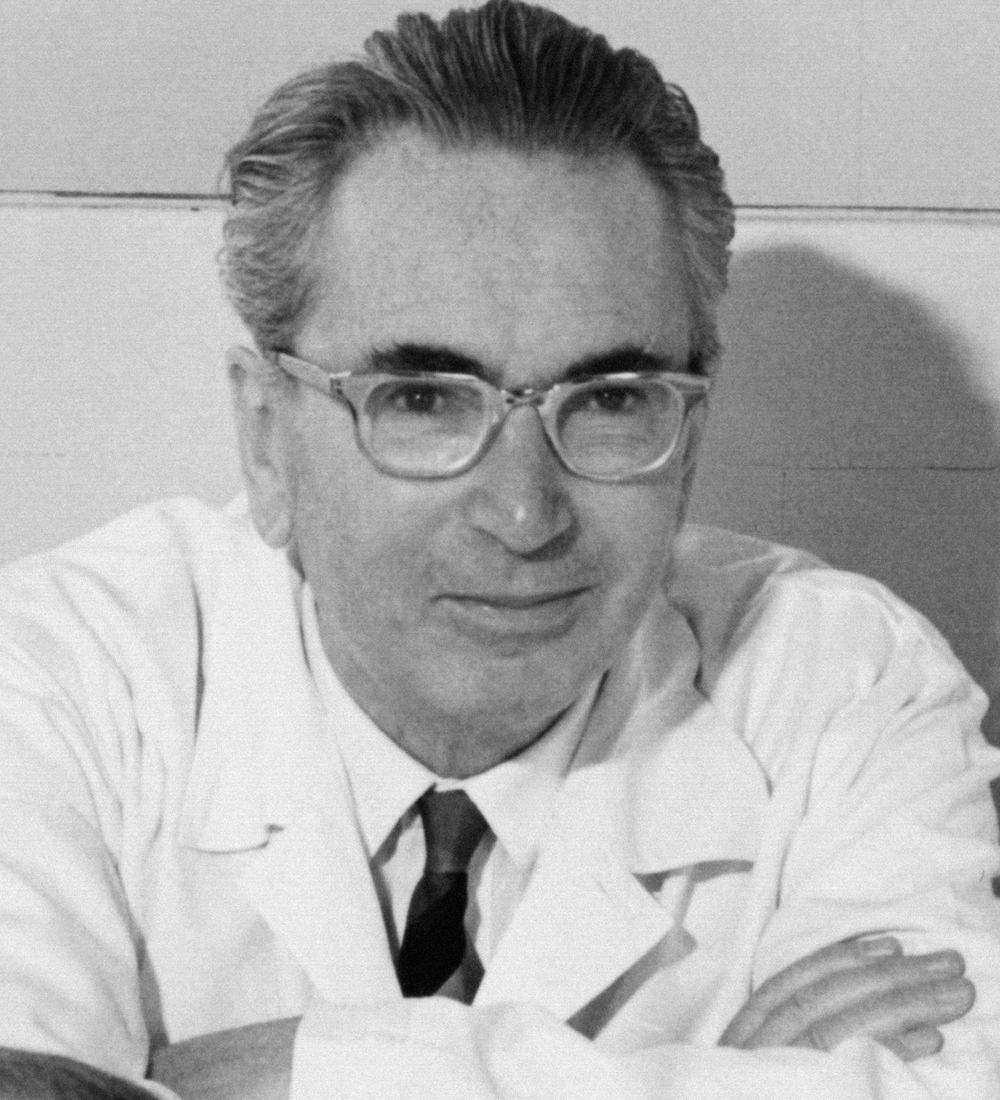
Core ideas and methods
Logotherapy centers on the search for meaning as a primary human motivation, often summarized by the phrase "will to meaning." Frankl argued that even under extreme suffering people can find purpose, and that an existential vacuum—feelings of emptiness—underlies many psychological problems. His practical approach emphasized personal responsibility, future orientation, and the possibility of changing one's attitude toward unavoidable hardships.
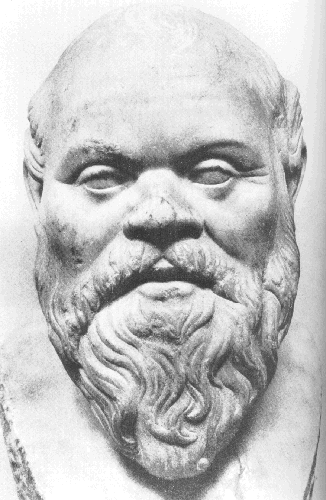
- Socratic dialogue: guiding clients to discover personal meaning rather than receiving interpretations.
- Dereflection: redirecting attention away from obsessive focus to valued activities.
- Attitudinal change: reframing unavoidable suffering in terms of inner choice and dignity.
Life, origins and influences
Frankl developed his theories before and after World War II while working in Vienna. During the Nazi era he was imprisoned in several camps, including Theresienstadt and Auschwitz, events that profoundly affected his perspective on suffering and freedom. After the war he resumed practice and teaching, refining logotherapy into a coherent therapeutic orientation and promoting it through lectures and books.
Uses, examples and impact
Frankl's ideas have been applied in psychotherapy, pastoral counseling, rehabilitation, and organizational coaching. His best-known book presented patient vignettes and reflections on survival and meaning; it introduced lay readers to existential therapy and remains widely read. Therapists use logotherapeutic techniques to address depression, grief, and crises of purpose by helping clients identify commitments, values, and projects that give life direction.
Distinctions and legacy
Frankl's approach is often called the "Third Viennese School of Psychotherapy" and is frequently contrasted with Freudian psychoanalysis and Adlerian individual psychology. He emphasized meaning rather than instinctual drives or primarily social motives. Institutions and training programs continue to teach logotherapy, and his work influences existential and humanistic branches of psychology. For further reading on his methods and historical context, see discussions of logotherapy and the Third Viennese School.
Related articles
Author
AlegsaOnline.com Viktor Frankl: Psychiatrist, Holocaust Survivor and Founder of Logotherapy Leandro Alegsa
URL: https://en.alegsaonline.com/art/105148
Sources
- books.google.com : Viktor Frankl Recollections: An Autobiography
- books.google.com : When life calls out to us: the love and lifework of Viktor and Elly Frankl