
Viktor Hartmann (1834–1873)
Viktor Hartmann was a Russian architect, designer and painter whose drawings and stage designs inspired Mussorgsky's Pictures at an Exhibition and influenced 19th‑century national‑romantic taste.
Overview
Viktor Alexandrovich Hartmann (5 May 1834 – 4 August 1873) was a Russian artist active as an architect, designer and painter. Born and trained in Saint Petersburg, he produced architectural sketches, watercolours, costume and stage designs, and decorative studies that reflected an interest in historical and vernacular motifs. He died near Moscow, in Kireyevo.
Image gallery
9 Images




Life and career
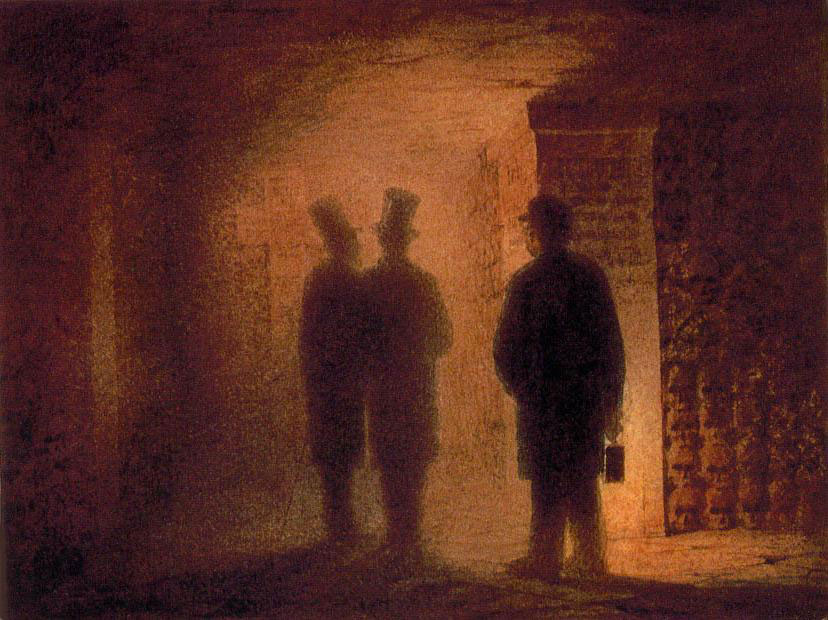
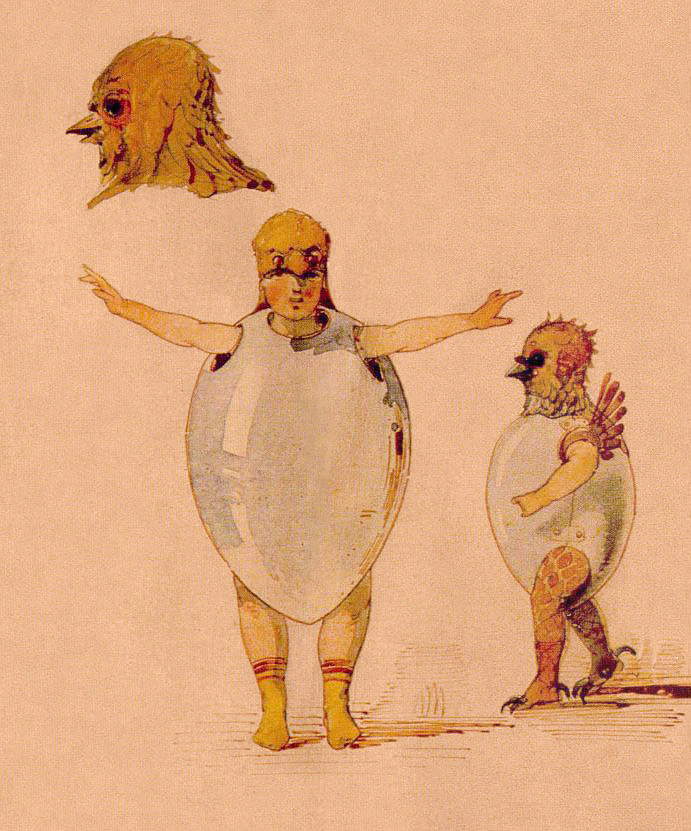
Hartmann worked chiefly as a practical designer and draftsman. His surviving sheets include quick watercolours, ink and pencil drawings, and small models used for theatrical sets and interiors. During his career he moved between architectural practice and applied arts, producing material intended for builders, tailors and stage carpenters as well as for exhibition display. Contemporary critics and friends considered him part of a wider movement that sought inspiration in native forms and historic styles.
Works and style
Typical subjects in Hartmann's output were city views, rural buildings, folk costume studies, ornament and stage scenery. His drawings combine careful observation with imaginative reconstruction: some pieces record actual structures, while others present fanciful or restored historical scenes. He has been described in different sources as a Russian designer who bridged utilitarian and decorative uses of drawing.
- Mediums: watercolour, ink, pencil and small theatrical models
- Genres: architectural drawings, costume and stage designs, decorative studies
- Function: working studies, exhibition sheets and practical patterns for theatre and interiors
Legacy
Hartmann's best known legacy is posthumous: a memorial exhibition of his works was mounted by friends and critics in the year after his death, and the composer Modest Mussorgsky attended that exhibition and composed the piano suite Pictures at an Exhibition in direct response. That musical tribute brought wider attention to Hartmann's imagery and encouraged later interest in his drawings as documents of 19th‑century taste. Examples of his work survive in museum and private collections and are studied for their contribution to Russian national‑romantic and revivalist tendencies.
Notable contexts
Hartmann is often cited as an example of a 19th‑century practitioner whose work crossed boundaries between architecture, applied arts and theatre. Although he did not become a major public architect of large monuments, his inventive studies and designs influenced contemporaries interested in ornament, costume and stagecraft and continue to be referenced in discussions of historicism and national revival in Russian art.
Further reading and catalogues of surviving works are available through institutional resources and specialist studies; see entries and collection records linked by institutions and commentators for detailed illustrations and provenance information.
Related articles
Author
AlegsaOnline.com Viktor Hartmann (1834–1873) Leandro Alegsa
URL: https://en.alegsaonline.com/art/105150