
Vientiane: capital and river city of Laos
Overview of Vientiane, the capital of Laos: location on the Mekong, landmarks, history, economy, transport and cultural significance, with practical distinctions and notable sites.
Overview
Vientiane, known in Lao as ວຽງຈັນ (Lao name), is the national capital and largest administrative center of Laos. Situated on the banks of the Mekong River in the country’s lowland valley, the city functions as the political, cultural and economic hub of the nation. Its central district houses well over two hundred thousand residents, with a wider urban area that serves the surrounding province and cross‑border trade corridors.
Image gallery
10 Images





Geography and character
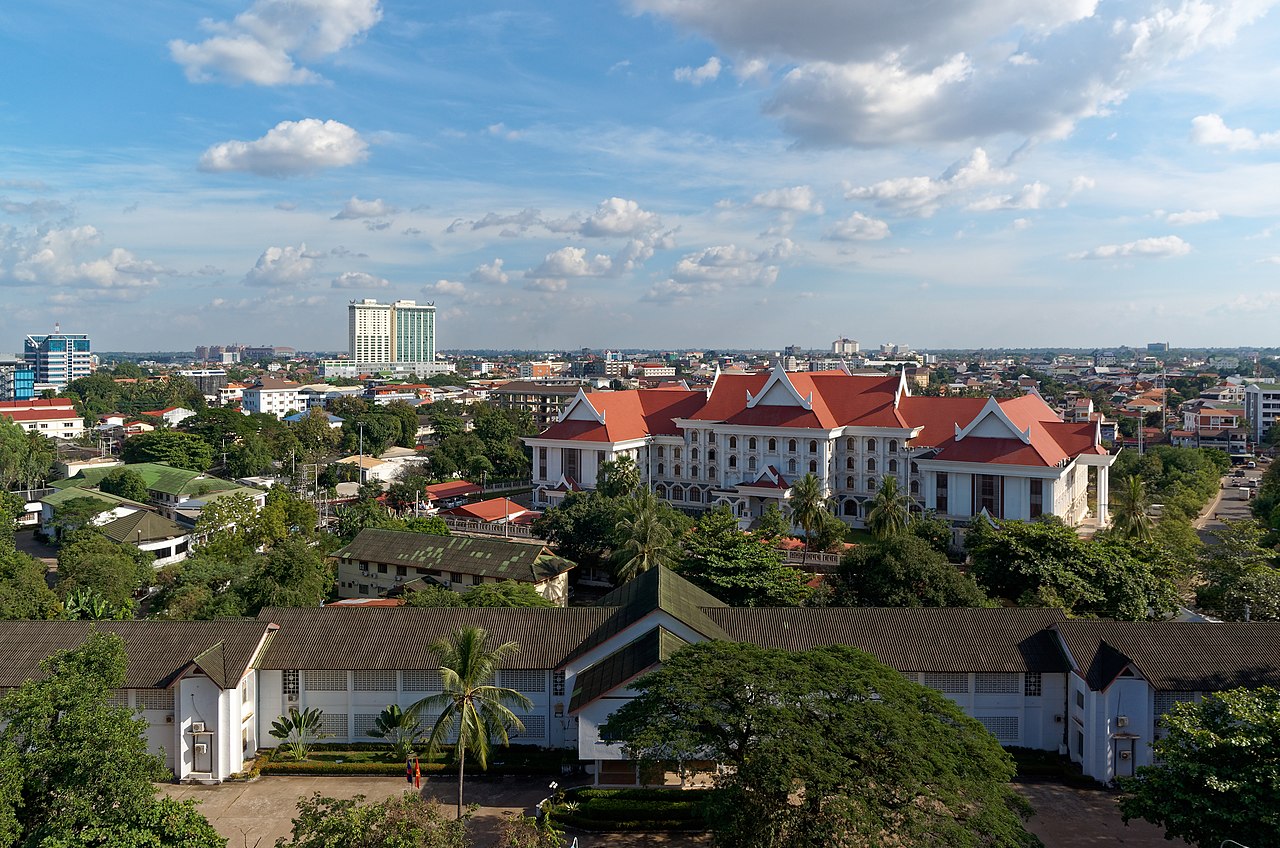
Vientiane occupies a riverside plain with a mix of tree‑lined avenues, colonial‑era buildings, Buddhist temples and modern government complexes. The riverside promenade is a focal point for local social life, markets and festivals. The climate is tropical with distinct wet and dry seasons, which shapes agricultural trade and seasonal events along the Mekong.
History and development
The site has been an important regional center for centuries and later gained prominence under successive Lao kingdoms. In the modern era Vientiane expanded as an administrative seat during the French colonial period and continued to develop after Laos achieved national independence. The city’s layout, public buildings and some street names still reflect layers of historical influence, from traditional Lao to colonial and post‑colonial planning.
Landmarks and culture
- Pha That Luang – the large national stupa considered a symbol of Lao identity.
- Patuxai – a prominent war‑memorial arch offering city views.
- Buddha Park (Xieng Khuan) and several historic temples that illustrate local religious art.
- Markets, riverside cafés and museums that showcase Lao crafts, cuisine and history.
Religious festivals, especially Buddhist observances and the Lao New Year, remain important civic occasions, bringing both residents and visitors to the city’s temples and public spaces.
Economy, transport and significance
Vientiane is principally an administrative and service economy, hosting government ministries, diplomatic missions and national institutions. Tourism and cross‑border commerce contribute to local incomes, while an international airport and road links connect the city to neighboring countries. Although quieter and less densely urban than many regional capitals, Vientiane’s role as Laos’s political center and its collection of national monuments make it a focal point for national identity and international engagement.
Related articles
Author
AlegsaOnline.com Vientiane: capital and river city of Laos Leandro Alegsa
URL: https://en.alegsaonline.com/art/105077