
Vienne (department in Nouvelle-Aquitaine, France)
Vienne is a department in western France named for the Vienne River. It contains the historic city of Poitiers, agricultural plains, Romanesque heritage and modern attractions such as Futuroscope.
Vienne is a French department in the western part of the country. It is officially one of the administrative divisions known as a department and lies within Nouvelle-Aquitaine. Geographically it occupies a transitional area of plains, gentle plateaus and river valleys in southwestern France. The department takes its name from the Vienne river, which remains its defining watercourse.
Image gallery
7 Images


Geography and environment
The landscape includes fertile agricultural land, woodland and small limestone ranges. Rivers, tributaries and small lakes shape local microclimates, and the Vienne valley is a central corridor for transport and settlement. Climatic conditions are generally temperate with maritime influence, producing mild winters and warm summers.
History and built heritage
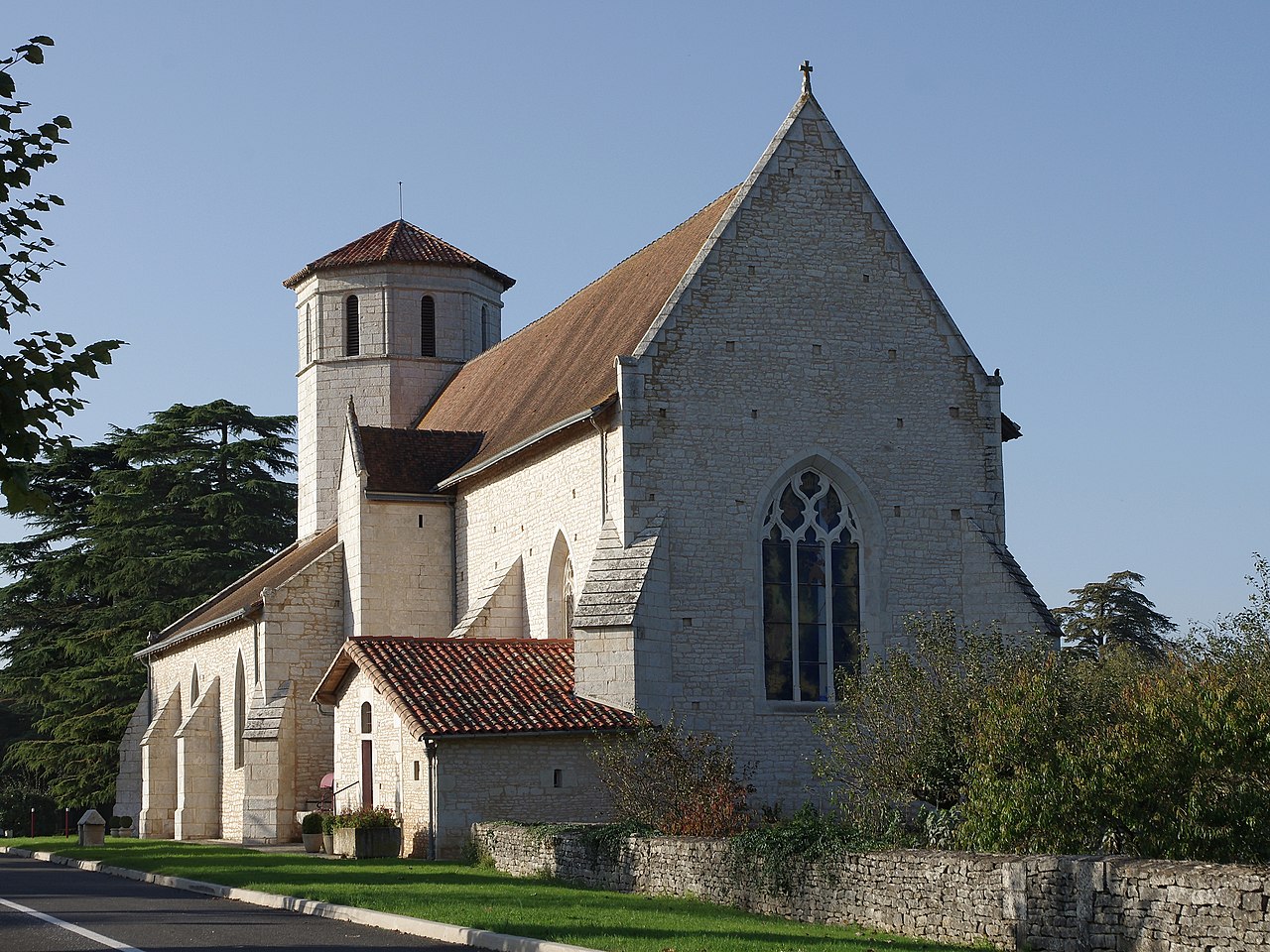
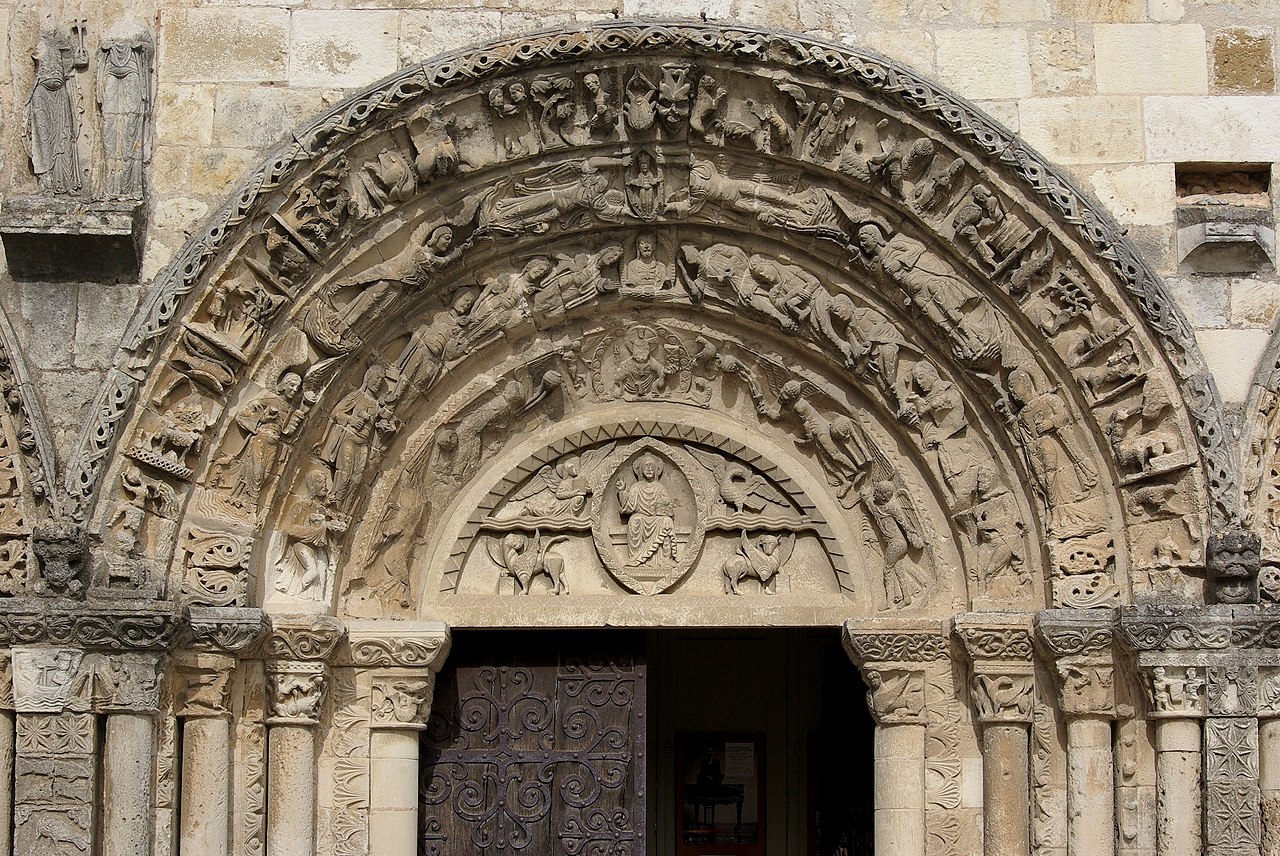
Vienne has a long human presence: prehistoric sites, Roman remains and a particularly rich medieval legacy. The city of Poitiers, the department's administrative capital, preserves notable Romanesque and Gothic architecture, churches and cloisters. Over centuries the area played a role in regional politics and commerce, leaving a layered heritage visible in towns and villages throughout the department.
Modern Vienne blends traditional agriculture and small-scale industry with educational and cultural institutions. The city of Poitiers hosts a university and research centers, contributing to a knowledge economy. Tourism is important: visitors come for historic towns, countryside recreation and contemporary attractions such as the Futuroscope park near Poitiers.
Administration, towns and attractions
- Main urban centers include Poitiers, Châtellerault and Montmorillon.
- Notable sites: Romanesque churches, medieval town centers and the modern leisure complex Futuroscope.
- Visitors can explore local markets, river walks along the Vienne and nearby nature reserves.
As an administrative unit inside the larger region, Vienne is connected by road and rail to other parts of France. Its mix of historical interest, rural landscapes and modern amenities makes it representative of many mid-sized French departments while retaining distinct local traditions and cultural life.
Further practical information and official resources can be found through departmental and regional portals (administration, regional), cultural guides and tourism sites that profile the Vienne valley and its communities.
Related articles
Author
AlegsaOnline.com Vienne (department in Nouvelle-Aquitaine, France) Leandro Alegsa
URL: https://en.alegsaonline.com/art/105074
Sources
- lavienne86.fr : "L'Exécutif"
- insee.fr : "Département de La Vienne (86) - Résumé statistique"
- insee.fr : "Populations légales 2014: Recensement de la population - Régions, départements, arrondissements, cantons et communes"
- splaf.free.fr : "Historique de la Vienne"
- weatherbase.com : "Poitiers, France - Köppen Climate Classification"
- insee.fr : "Département de la Vienne (86)"
- insee.fr : "Régions, départements, arrondissements, cantons et communes"
- insee.fr : "Département de la Vienne (86)"
- legifrance.gouv.fr : "Décret n° 2014-264 du 26 février 2014 portant délimitation des cantons dans le département de la Vienne"
- habitants.fr : "Vienne (86)"