
Vienne (river)
The Vienne is a major river in west-central France, rising in the Massif Central and joining the Loire. It shaped regional industry, hydroelectric development, and gives its name to two French departments.
The Vienne is a principal river of west-central France that rises in the high moorlands of the Massif Central and flows northwest to join the lower Loire. Its source lies in the uplands historically called the Plateau de Millevaches; the river continues across mixed rural and urban landscapes before meeting the Loire near the town of Candes-Chinon. For map reference see coordinates. In Occitan the river is known as Vinhana, reflecting the regional languages of its watershed.
Image gallery
8 Images


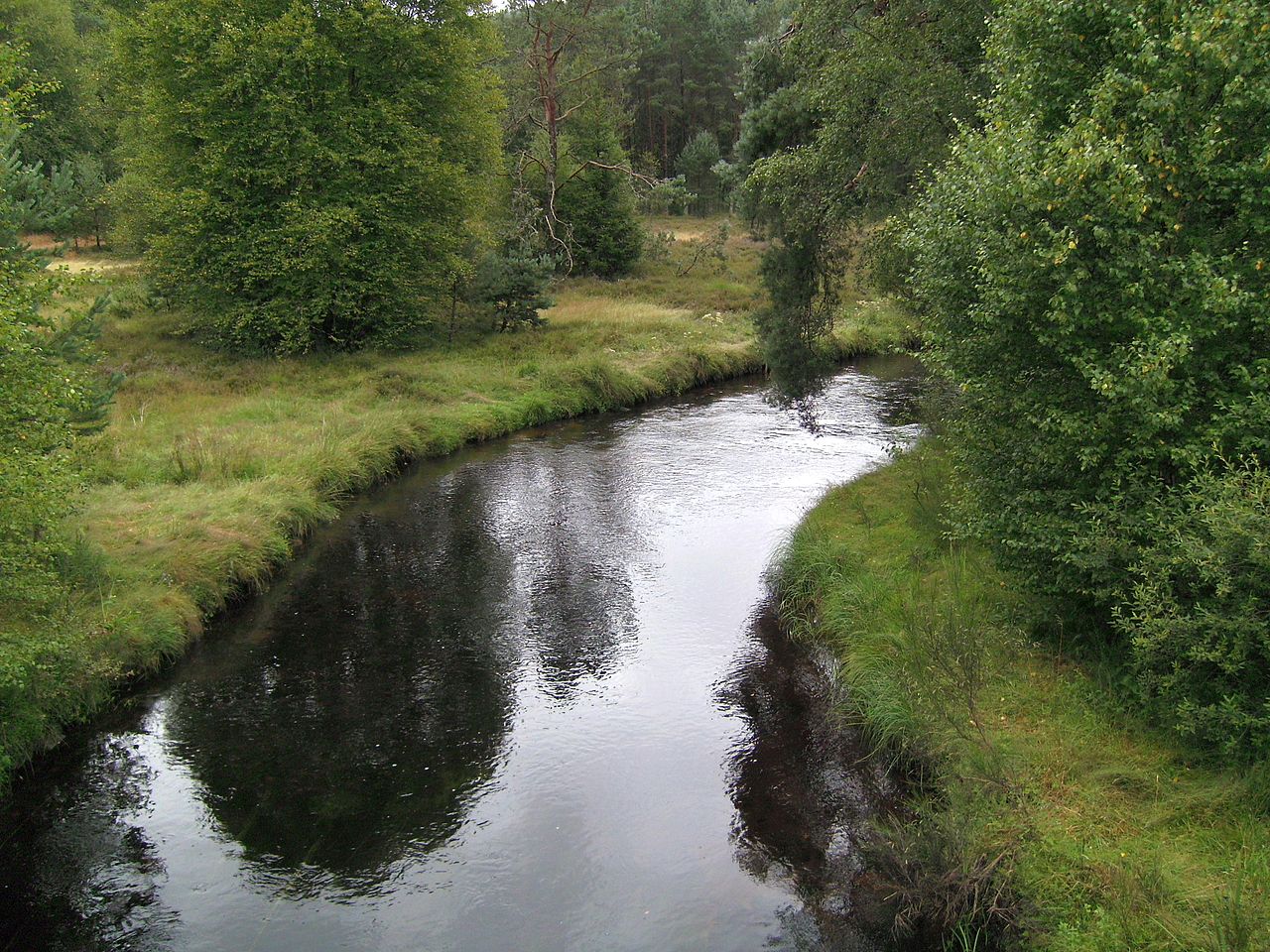


Course and characteristics
The Vienne drains a broad catchment and is considered one of the main waterways of the south‑west sector of the Loire basin; it is commonly described as a major left‑bank tributary of the Loire (regional river, southwestern France). Its confluence with the Loire places it among the tributaries of the lower Loire system (tributary to the Loire). Along its course the river’s character varies from fast upland stream to broader lowland channel, supporting riverine habitats and alluvial plains.
Several stretches of the Vienne have been regulated with reservoirs and installations to produce electricity and to manage water levels. The valley contains a chain of hydroelectric plants and associated impoundments that balance seasonal flow and supply renewable power (hydroelectric, dams). Navigation is limited today, but the river has long been used for local transport, milling and industry where towns grew on its banks.
Regions, departments and towns
The river flows mainly through the regions of Nouvelle‑Aquitaine and Centre‑Val de Loire, and it lends its name to two French départements: Haute‑Vienne and Vienne. Important towns and cities that developed along the river include Limoges and Châtellerault, where the Vienne has influenced local economy and settlement patterns.
History, use and cultural importance
Historically the Vienne supported mills, local river traffic and industries that depended on water power and transport. During the industrial era its flow was harnessed for factories, while in earlier centuries river crossings and bridges shaped medieval routes. The river corridor remains important for regional identity, local place names and traditional activities such as fishing.
Ecology, recreation and contemporary issues
Today the Vienne’s value includes hydroelectric production, irrigation, freshwater habitats and recreation. Canoeing, angling and riverside trails attract visitors, while conservation efforts address water quality, habitat protection and the management of floods and reservoirs. The river therefore combines economic utility with ecological and cultural roles in its basin, making it a significant natural feature of central and western France.
- Overview and source: upland spring in the Massif Central (map).
- Regional role: major left tributary of the Loire (tributary, Loire).
- Infrastructure: hydroelectric projects and dams (hydroelectric, dams).
- Administrative links: flows through Nouvelle‑Aquitaine, Centre‑Val de Loire; namesake departments Haute‑Vienne and Vienne.
Questions and answers
Q: What are the coordinates of the river Vienne?
A: The coordinates of the river Vienne are 47°12′24″N 0°5′3″E / 47.20667°N 0.08417°E / 47.20667; 0.08417.
Q: Where is the Vienne river located?
A: The Vienne river is located in southwestern France.
Q: What is the Vienne river's significance?
A: The Vienne river is one of the most important rivers in southwestern France and is a main left tributary of the lower Loire river. It supports numerous hydroelectric dams.
Q: What regions does the Vienne river flow through?
A: The Vienne river flows through the Nouvelle-Aquitaine and Centre-Val de Loire regions.
Q: How many French départements are named after the Vienne river?
A: Two French départements are named after the Vienne river: the Haute-Vienne (87) and the Vienne (86).
Q: What is the Occitan name of the Vienne river?
A: The Occitan name of the Vienne river is Vinhana.
Q: What type of dams does the Vienne river support?
A: The Vienne river supports numerous hydroelectric dams.
Related articles
Author
AlegsaOnline.com Vienne (river) Leandro Alegsa
URL: https://en.alegsaonline.com/art/105073
Sources
- services.sandre.eaufrance.fr : "La Vienne (L---0060)"
- tab.geoportail.fr : "Source de la Vienne"
- tab.geoportail.fr : "Confluence de la Vienne"
- hydro.eaufrance.fr : "La Vienne à Nouâtre"