
Video game crash of 1977 (Pong-era downturn)
An early collapse in the video game market caused by a flood of Pong-style dedicated consoles, intense price competition, and shifting consumer interest that led to industry consolidation and a move toward programmable systems.
Overview
The video game crash of 1977 describes an early and relatively little‑remembered downturn in the nascent home video game market. It occurred as a large number of single‑game or limited‑function consoles—many designed to imitate the success of Pong—appeared almost simultaneously. The result was market saturation, falling retail prices, and a rapid decline in profitability for many manufacturers and retailers.
Image gallery
8 Images


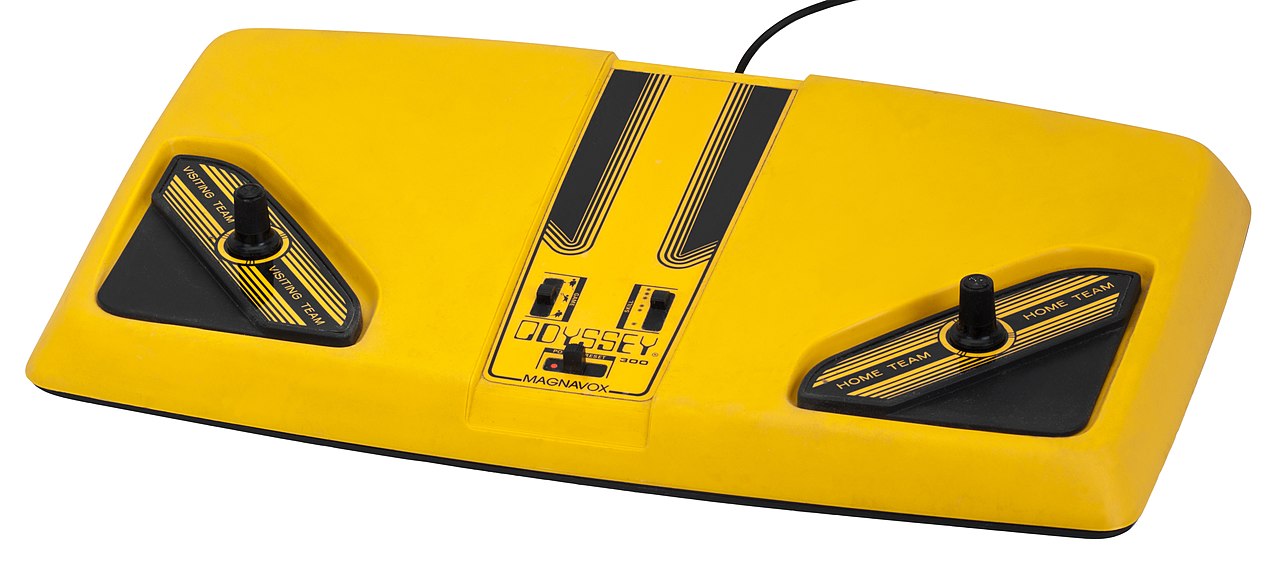


Characteristics and causes
Key features of this slump included low product differentiation, inexpensive cloned hardware, and a flood of competing models aimed at the same simple set of games. Other contributing factors were limited game variety on dedicated machines and minimal after‑sales support or development ecosystems. Together these created consumer fatigue and eroded retailer confidence.
- Proliferation of dedicated Pong‑style consoles and clones
- Sharp price competition that squeezed margins
- Limited or repetitive gameplay on single‑purpose hardware
- Emergence of alternative platforms that shifted consumer interest
Because many companies entered the market quickly, competition favored rapid price cuts rather than sustained investment in new game content or better hardware. Retailers found unsold inventory and reduced orders, amplifying the downturn.
Impact and legacy
The immediate effect was the failure or withdrawal of numerous small manufacturers and a consolidation of the industry around a few stronger players. Importantly, the episode accelerated a transition from single‑game systems to programmable, cartridge‑based consoles and to general‑purpose home computers that could host a wider variety of software. That technological and commercial shift helped set the stage for later developments in the industry.
Distinctions and context
Often called the "forgotten" video game crash, the 1977 event differs from the much larger North American crash of 1983. The 1977 downturn was primarily about hardware saturation in the first generation of home consoles and was relatively brief; the 1983 crash involved a broader collapse in software quality, consumer confidence, and retail support for cartridge systems. Both, however, illustrate how rapid growth without sufficient product diversity or quality controls can destabilize a young entertainment market.
Studying the 1977 crash highlights the importance of software ecosystems, product differentiation, and sustainable business models—lessons that continued to influence console makers and game publishers as the industry matured.
Related articles
Author
AlegsaOnline.com Video game crash of 1977 (Pong-era downturn) Leandro Alegsa
URL: https://en.alegsaonline.com/art/105033