
Victot-Pontfol
Victot-Pontfol is a small rural commune in the Calvados department of Normandy, northwest France; this entry summarizes its geography, administration, history, economy and local sights.
Overview
Victot-Pontfol is a small French commune situated in the Calvados department of northwestern France. Historically associated with the former administrative region of Basse-Normandie, the area now lies within the larger Normandy region after recent territorial reorganizations. The commune embodies the typical rural character of the Pays d'Auge and surrounding Norman countryside.
Image gallery
1 Image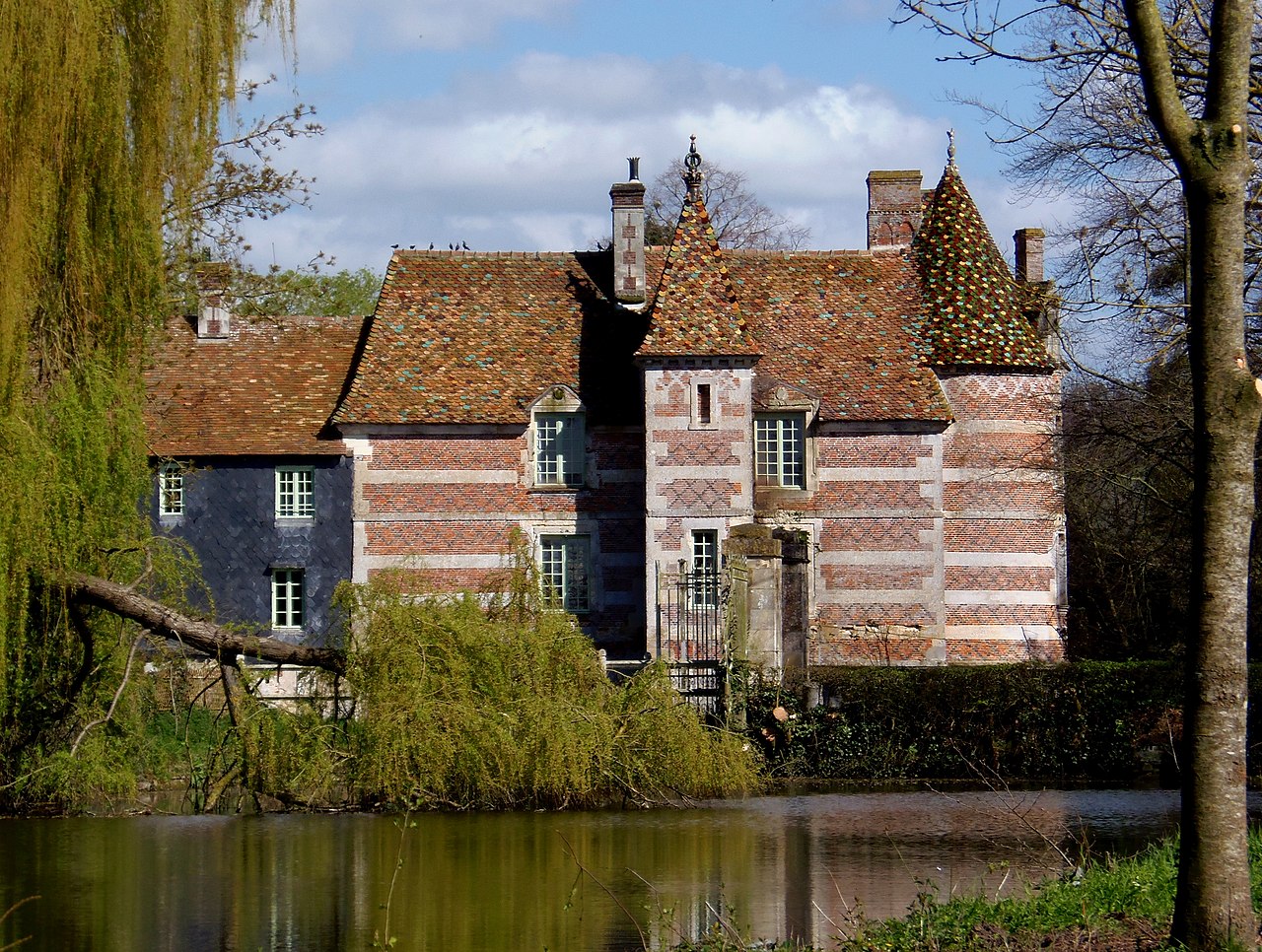
Geography and administration
The locality occupies a landscape of pastoral fields, hedgerows and gentle hills common to Calvados. It is administered as part of the Calvados department; local government responsibilities cover basic services, land use and cultural events. The commune's small size and population mean governance is closely tied to neighbouring villages and intercommunal structures.
History and name
The place-name Victot-Pontfol reflects a compound origin combining two settlement names of Norman or medieval French derivation. Like many villages in the region it has roots in agricultural settlement and the manorial and parish systems of medieval Normandy. Surviving buildings and the layout of lanes and farms often reflect that long rural history.
Economy, landmarks and daily life
Local economic activity is dominated by agriculture, including dairy and apple production typical of Calvados; small-scale tourism and local crafts also contribute. Notable features in such communes commonly include a parish church, traditional stone or timber houses, and rural lanes. Visitors generally come for countryside walks, regional gastronomy and to view rural architecture.
Transport, services and relations
Access to Victot-Pontfol is by departmental roads connecting it to larger market towns in the Calvados network. Public services and commercial facilities are often found in nearby towns; residents rely on regional centers for schools, health care and larger markets. The commune forms part of the cultural and economic fabric of Calvados department and more broadly of northwest France.
See also
- Typical attractions: local church, pastoral scenery, regional food and cider traditions.
- Comparative context: one of many small communes that illustrate Normandy's rural landscape and heritage.
Related articles
Author
AlegsaOnline.com Victot-Pontfol Leandro Alegsa
URL: https://en.alegsaonline.com/art/105018