
Victoria, Texas
Victoria is a city in southeastern Texas and the county seat of Victoria County. Known for its historic roots, regional economy, and cultural institutions, it had a population of 62,592 at the 2010 census.
Victoria, Texas is a regional center in southeastern Texas and serves as the county seat of Victoria County. The city is inland from the Gulf Coast and functions as a hub for surrounding rural communities. According to the 2010 U.S. census the population was 62,592. Victoria maintains municipal services, local media, and community institutions that serve both city residents and nearby towns. For official information see city resources.
Image gallery
6 Images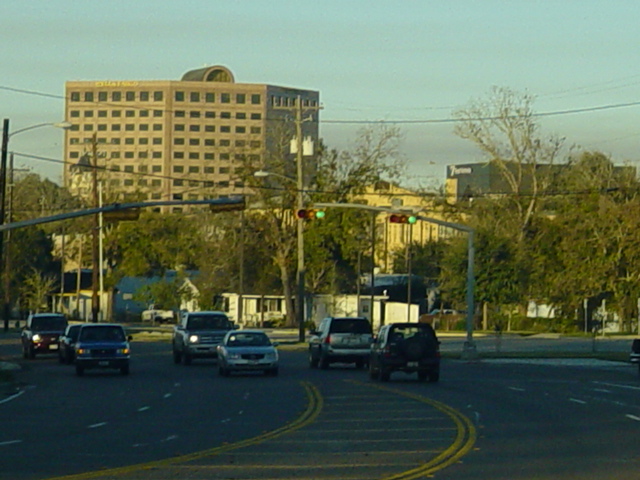


Geography and setting
Victoria sits on river lowlands and farm country that link coastal plains to inland prairies. Its position has made it a crossroads for trade and transportation in the region. Major highways and a regional airport connect Victoria to larger metropolitan areas, while the surrounding countryside supports agricultural activity and energy-related businesses.
History and development
The community dates to the early 19th century and was established by a colonizing empresario. Its original name honored a Mexican leader, reflecting the city's roots in Mexican and Texan history. Over time Victoria grew from a ranching and farming settlement into a diversified municipal center, absorbing waves of settlement, commerce, and industrial development that shaped its civic institutions and built environment.
Economy, education, and services
The local economy blends agriculture, energy and petrochemical services, manufacturing, health care, and education. Higher-education institutions and community colleges provide workforce training and cultural programming, while medical centers and regional businesses support employment. Visitors and residents can consult university and college websites for academic offerings and community events (regional education).
Culture, landmarks, and attractions
Victoria hosts museums, historic districts, and civic festivals that reflect its varied heritage. Notable cultural sites include local history museums, historic downtown streetscapes, and arts venues. The city publishes local news and promotes community gatherings that celebrate regional traditions. A brief list of common attractions and institutions appears below:
- Museums and historical collections documenting local and regional history
- Historic downtown buildings and preservation projects
- Community festivals, performing arts, and educational events
As the county seat of Victoria County, the city also hosts county government offices and regional services (county resources). While modest in size compared with Texas metropolises, Victoria plays an important role as a commercial, cultural, and administrative center for the surrounding region.
Related articles
Author
AlegsaOnline.com Victoria, Texas Leandro Alegsa
URL: https://en.alegsaonline.com/art/105003
Sources
- quickfacts.census.gov : "State & County QuickFacts; Victoria (city), Texas"