
Victor Krasin: Soviet dissident, economist and human rights advocate
Victor Krasin (1929–2017) was a Soviet-born economist and prominent human rights activist who co-founded an early group defending civil liberties in the USSR, later emigrating and becoming a U.S. citizen.
Overview
Victor Aleksandrovich Krasin (Russian: Ви́ктор Алекса́ндрович Кра́син, 4 August 1929 – 3 September 2017) was a Soviet-era economist, a noted human rights activist and a former political prisoner. Born in Kiev, he became one of the organizers of independent efforts to document and defend human rights inside the USSR and was identified publicly as a dissident by Soviet authorities. He later emigrated and held U.S. citizenship; he died in Nahariya, Israel.
Image gallery
1 Image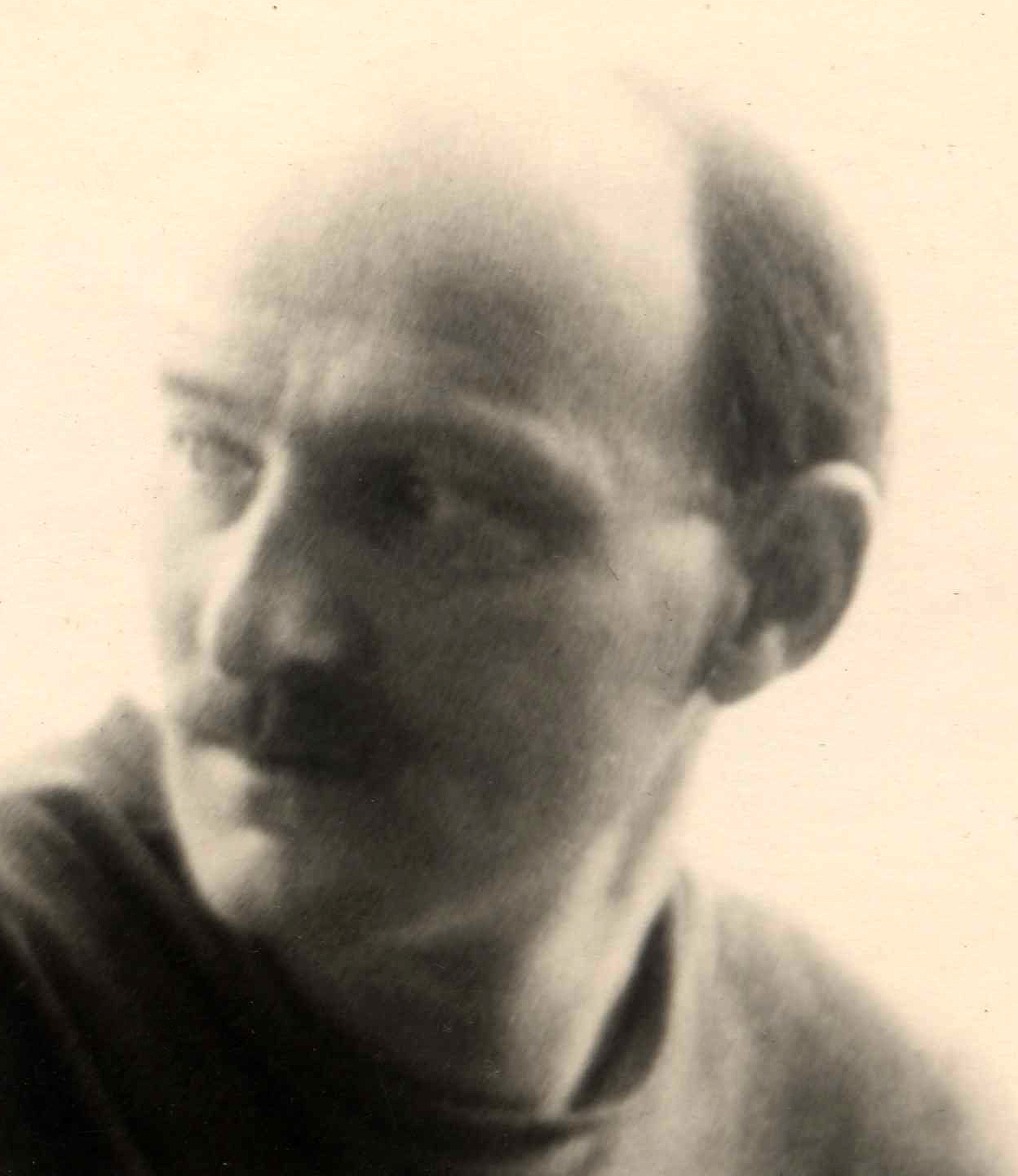
Background and activism
Krasin trained and worked as an economist, but he is best known for his role in the emerging Soviet human rights movement. He was a founder of the Initiative Group for the Defense of Human Rights in the USSR, one of the earliest formal collectives that attempted to record violations, petition authorities and publicize cases of political repression. His activities brought him into contact with other dissidents, samizdat networks, and human rights monitors abroad.
Arrest, detention and exile
Because of his public stance and organizational work, Krasin was arrested by Soviet security services and at times detained or otherwise punished by the state. Like many individuals involved in dissent, he experienced restrictions on his work and movement; official pressure and prosecution were intended to limit the influence of independent human rights advocacy. He is often described in sources as a political prisoner and a prominent former dissident.
Later life and legacy
After leaving the Soviet Union, Krasin lived abroad and became a U.S. citizen. His life story has been cited in histories of the human rights movement in the USSR and in discussions of Soviet dissidence more broadly. He remained engaged with human rights issues and with fellow former dissidents. Krasin died on 3 September 2017 in Nahariya, Israel, where reports note he was residing at the time.
Key facts and distinctions
- Full name and Russian form: Ви́ктор Алекса́ндрович Кра́син.
- Born in Kiev: Kiev.
- Founder of an early human rights group in the USSR: Initiative Group for the Defense of Human Rights.
- Identified as a Soviet dissident and described as a political prisoner in contemporary accounts.
- Emigrated and later became a U.S. citizen; reported death in Nahariya: Nahariya, Israel.
- Coverage and documents about his life and activism appear in various archival and human rights collections: see related references and oral histories (dissident records).
For further reading, consult specialized studies of Soviet human rights movements and collections of dissident testimonies that place Krasin's activism in the wider context of civic resistance to political repression in the 20th century. Additional archival material and interviews may be found in repositories and online databases that document Soviet-era dissent and the biographies of its participants (prisoner records, regional archives, memorials and local reports).
Related articles
Author
AlegsaOnline.com Victor Krasin: Soviet dissident, economist and human rights advocate Leandro Alegsa
URL: https://en.alegsaonline.com/art/104963
Sources
- sakharov-center.ru : Красин Виктор Александрович (р.1929) экономист, правозащитник
- svoboda.org : "В Израиле умер экономист и правозащитник Виктор Красин"