
Vayres (Gironde, France)
Vayres is a riverside commune in the Gironde department of southwestern France, noted for its château, parish church, local shops and ties to the Bordeaux wine region.
Overview
Vayres is a small French commune situated in the historic Aquitaine region, within the Gironde department in southwest France. It lies beside a navigable river and functions as a local centre for nearby villages. The settlement combines residential areas, small shops and agricultural land.
Image gallery
2 Images
Geography and administration
The town occupies a riverside position that has historically favoured trade and transport. Administratively it is governed as a commune, the basic unit of local government in France, with elected municipal officials responsible for services, planning and community life. The surrounding landscape includes vineyard plots, open fields and riverfront terrain.
Landmarks and built heritage
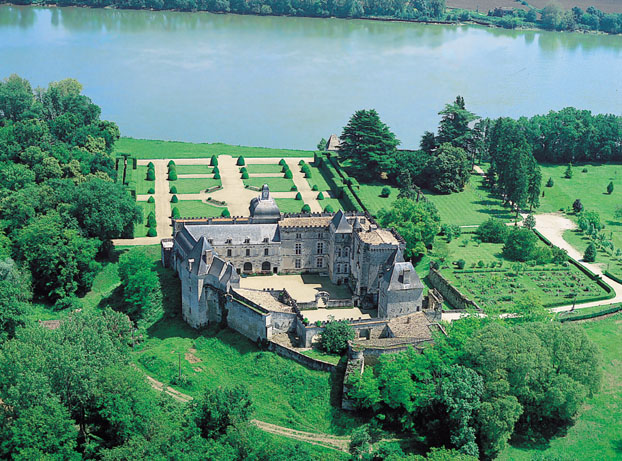
Vayres has several notable built features that attract visitors and serve residents. The most prominent is a historic castle that stands near the water and shows multiple phases of construction from earlier centuries; a parish church provides a focal point for religious and cultural ceremonies. The village centre retains traditional shops and services.
- Château: often called Château de Vayres, a fortified residence with later alterations and parkland.
- Parish church: local place of worship with architectural details reflecting its long presence in the community.
- Shops and services: small businesses, including two bakeries, cafés and markets that serve everyday needs.
Economy, culture and uses
Local economic activity mixes agriculture—notably vineyards connected to the wider Bordeaux area—with hospitality, small-scale commerce and commuter households who work in nearby towns. Cultural life revolves around seasonal markets, local festivals and community associations that maintain traditions tied to food and wine.
History and notable facts
Vayres has medieval roots and developed in connection with river traffic and regional trade. Over time the settlement adapted to changing economic patterns while preserving its historic buildings. Today it is valued both as a residential commune within the Gironde wine landscape and as a place of historic interest for visitors exploring the region.
Related articles
Author
AlegsaOnline.com Vayres (Gironde, France) Leandro Alegsa
URL: https://en.alegsaonline.com/art/104425